
MindSprint
Version:1.0.14
Published:2026-05-19
Introduction
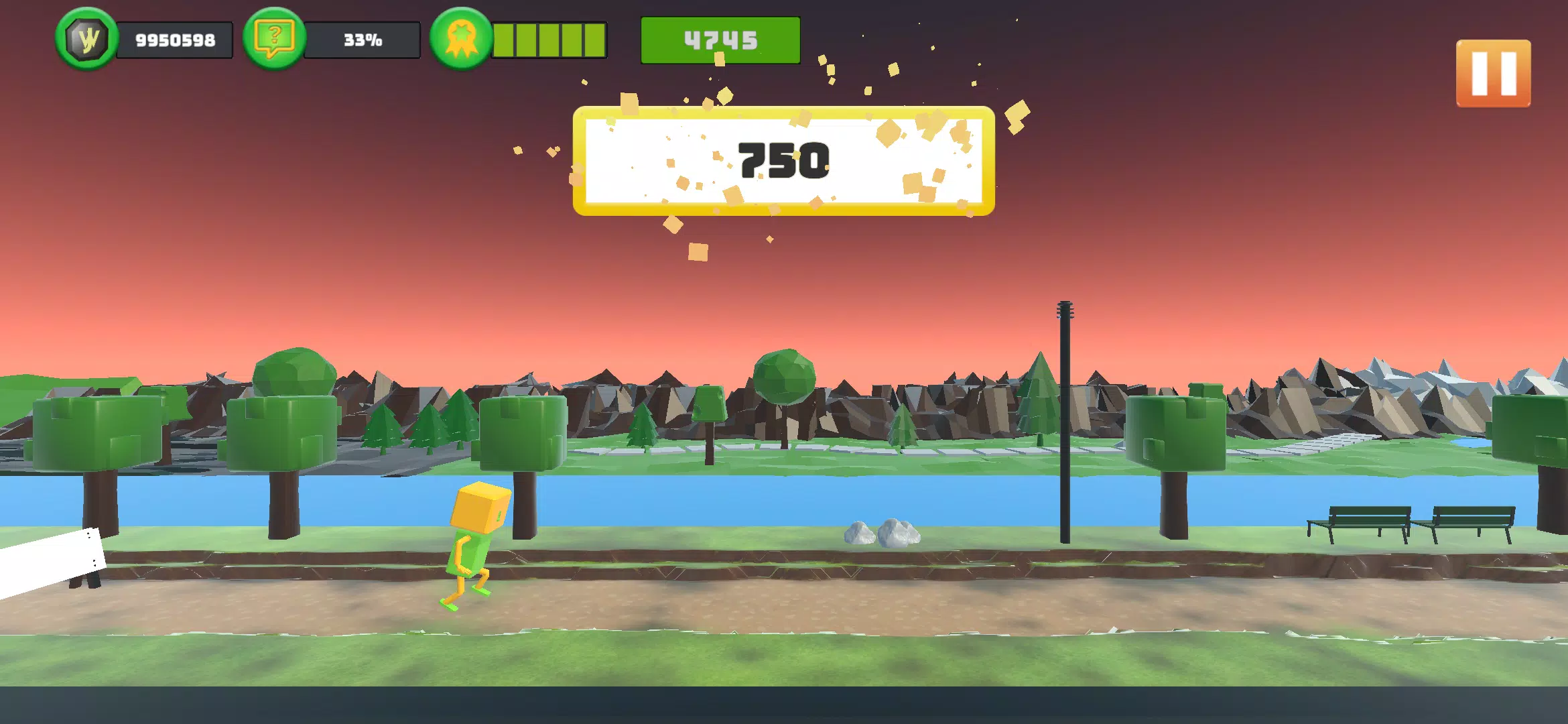
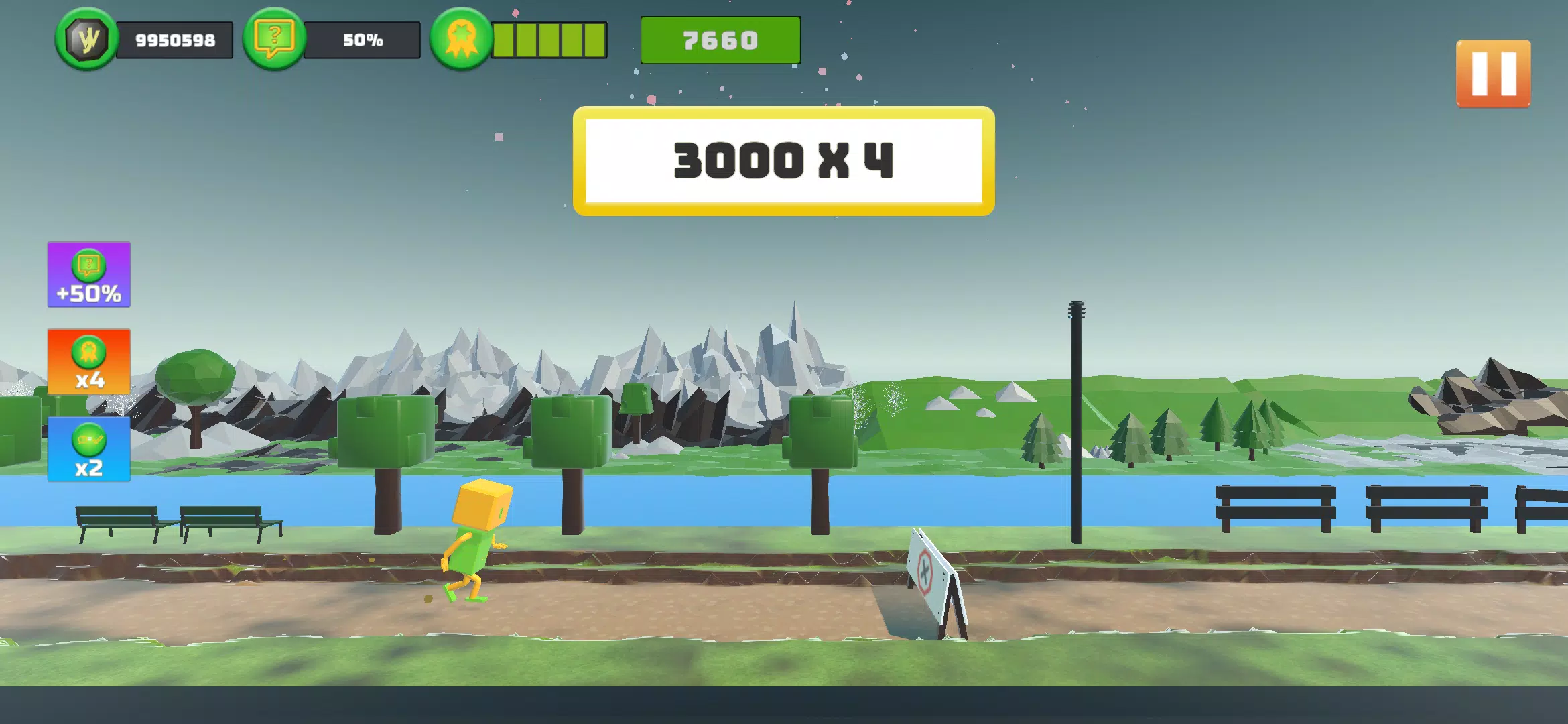
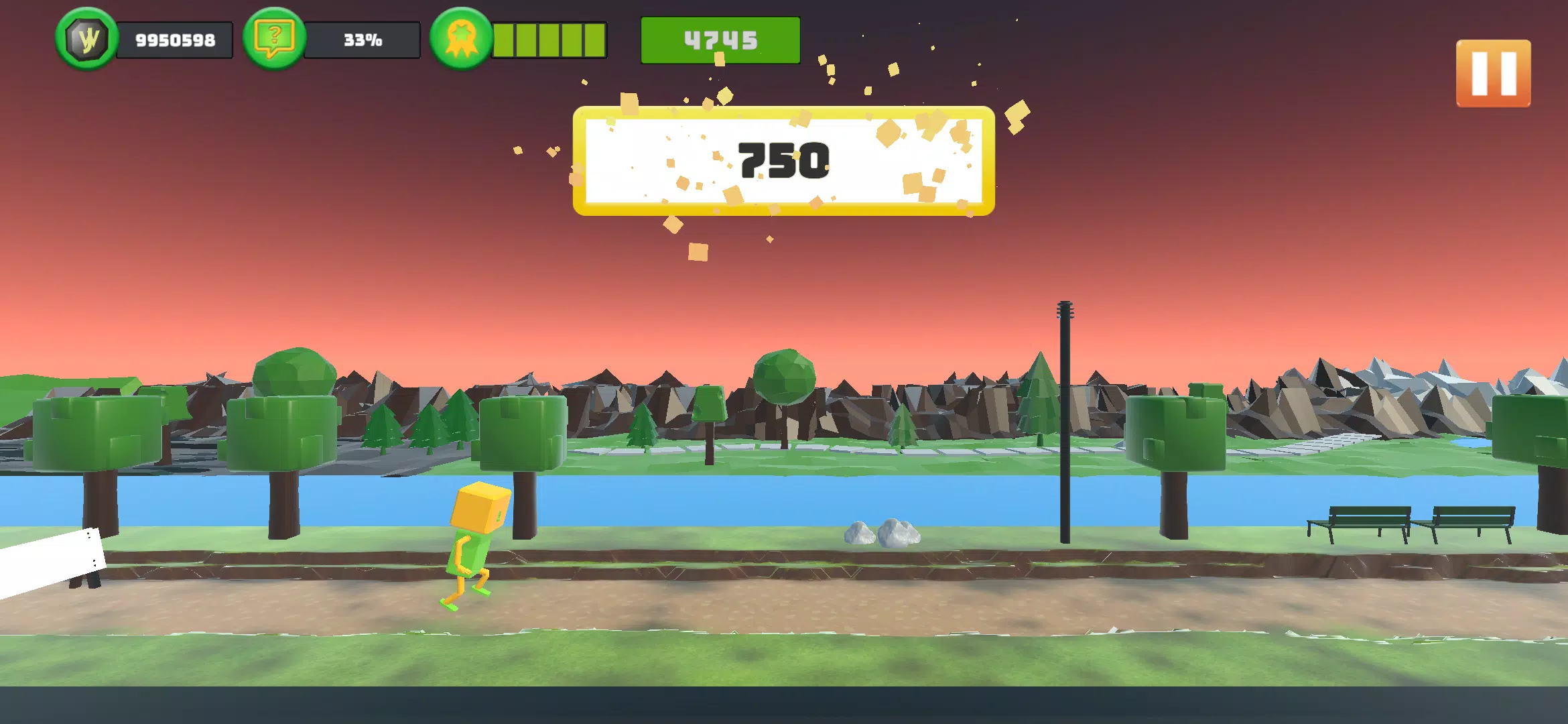
MindSprint is a fast-paced runner that challenges players to think on the move, combining reflex-driven running with on-the-fly puzzles and split-second decision-making. In MindSprint you guide a character through shifting obstacle courses where timing, pattern recognition and quick reasoning determine success; short runs are designed to fit into a commute or a brief break while still offering satisfying mental challenge.
Key Features
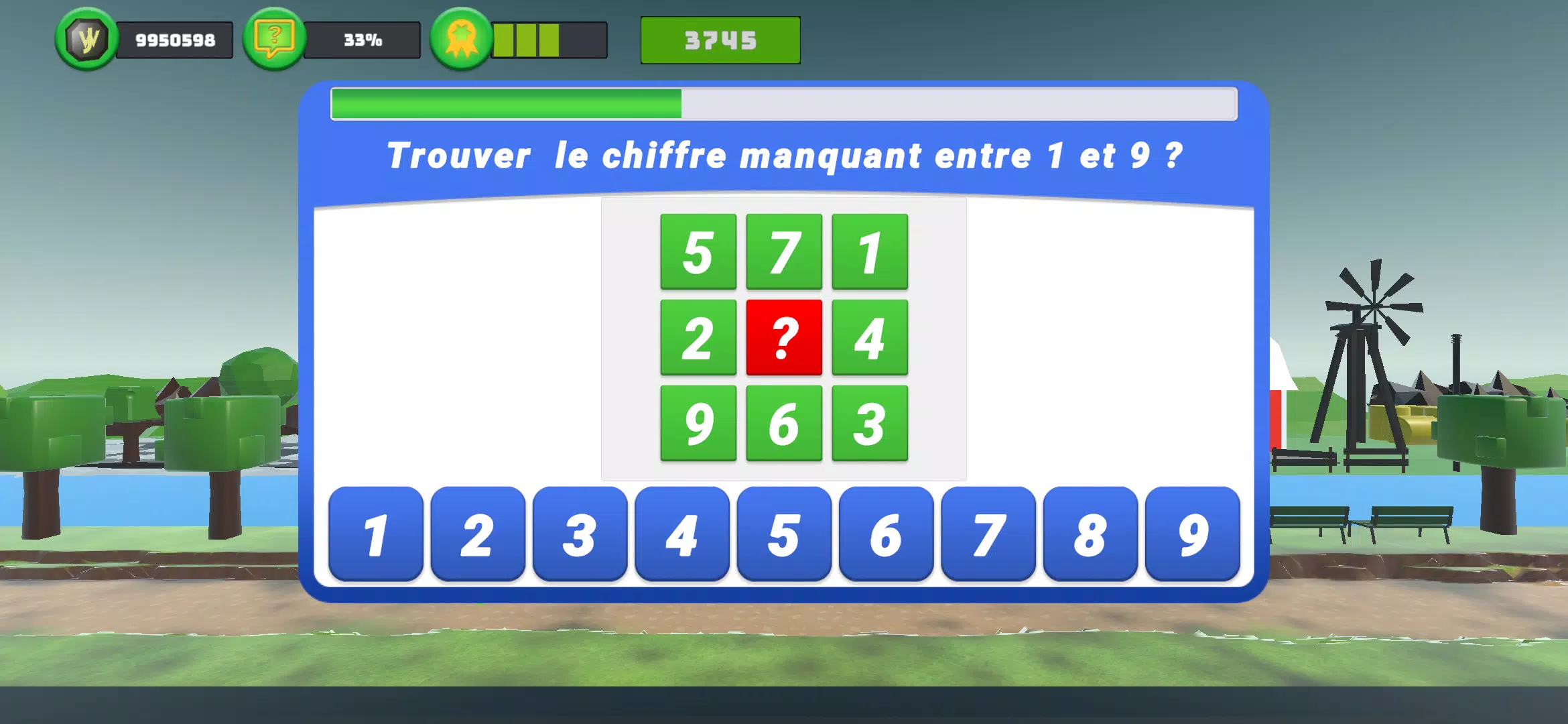
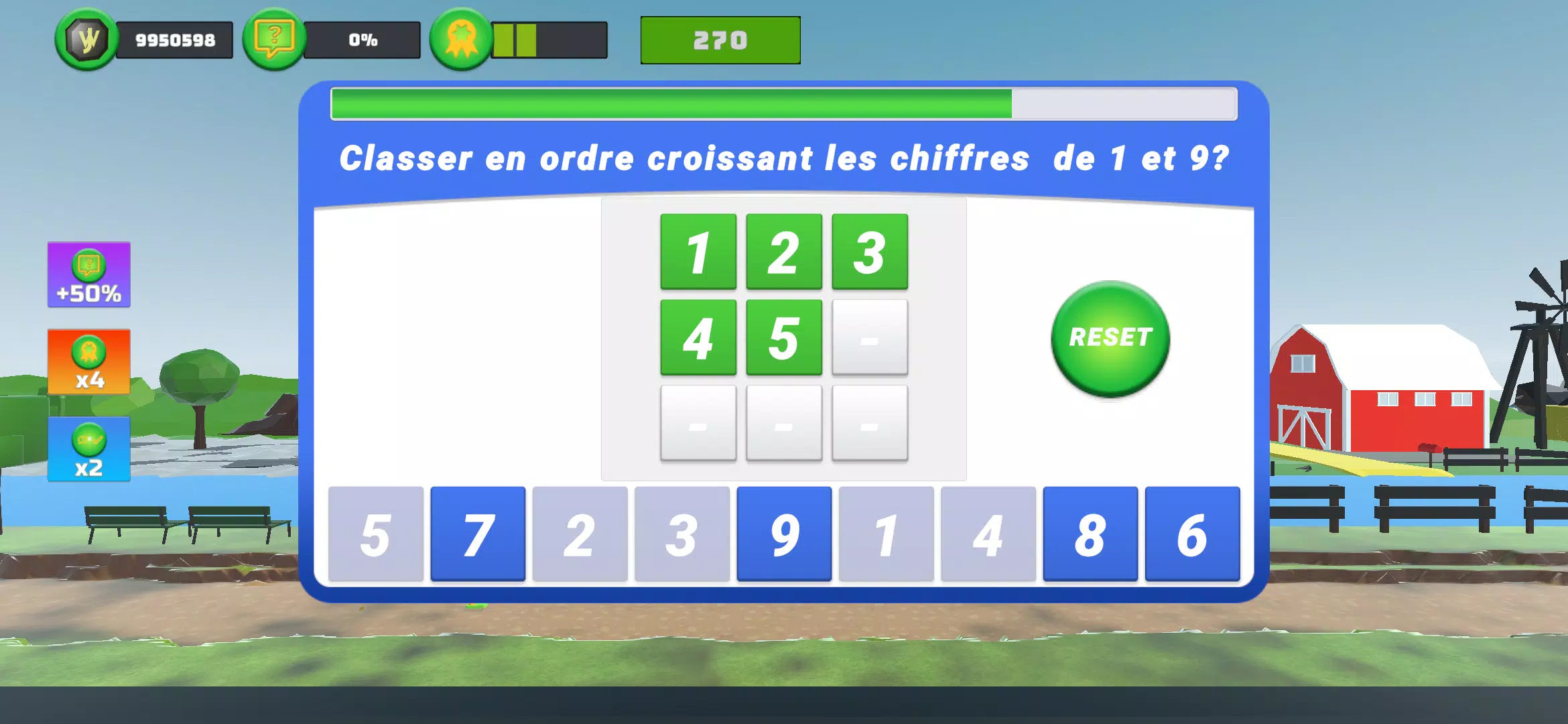
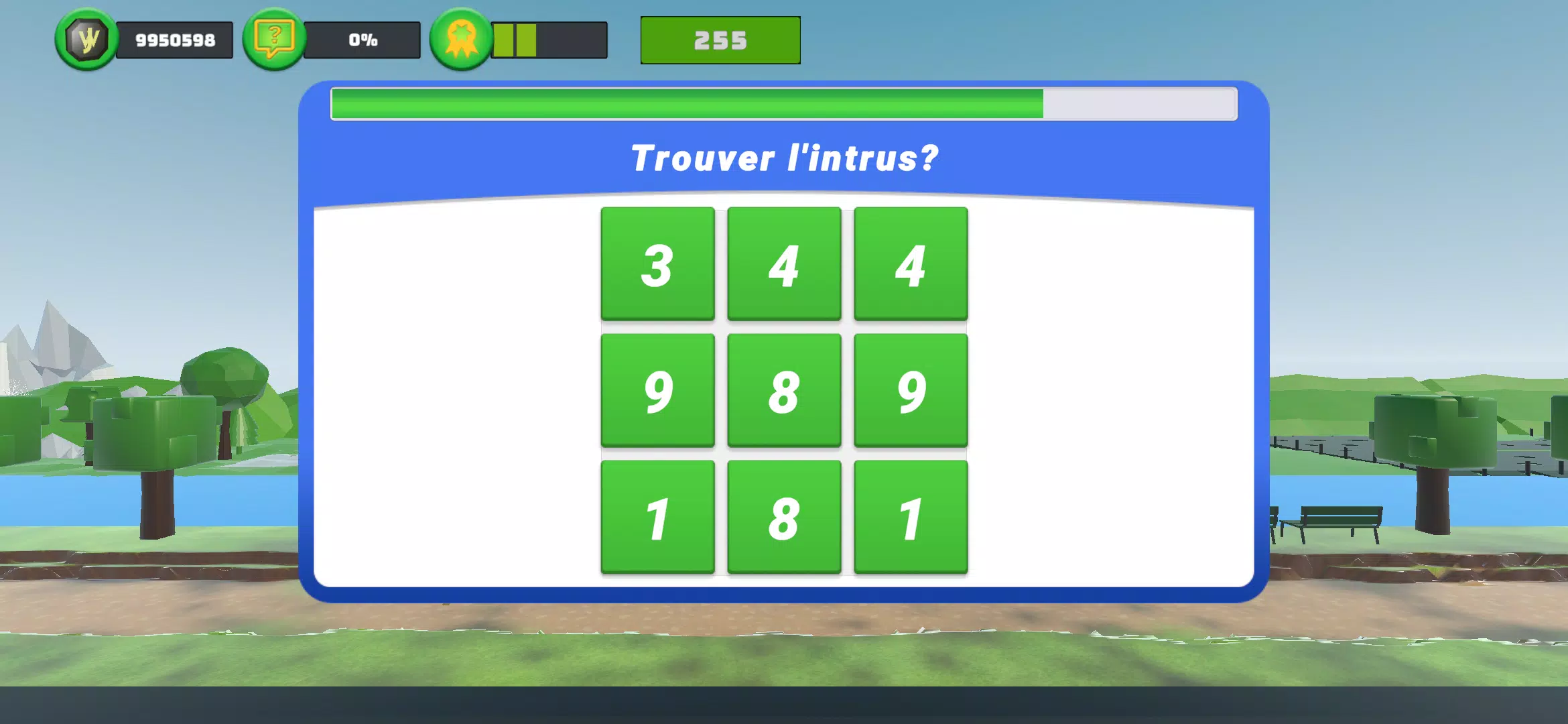
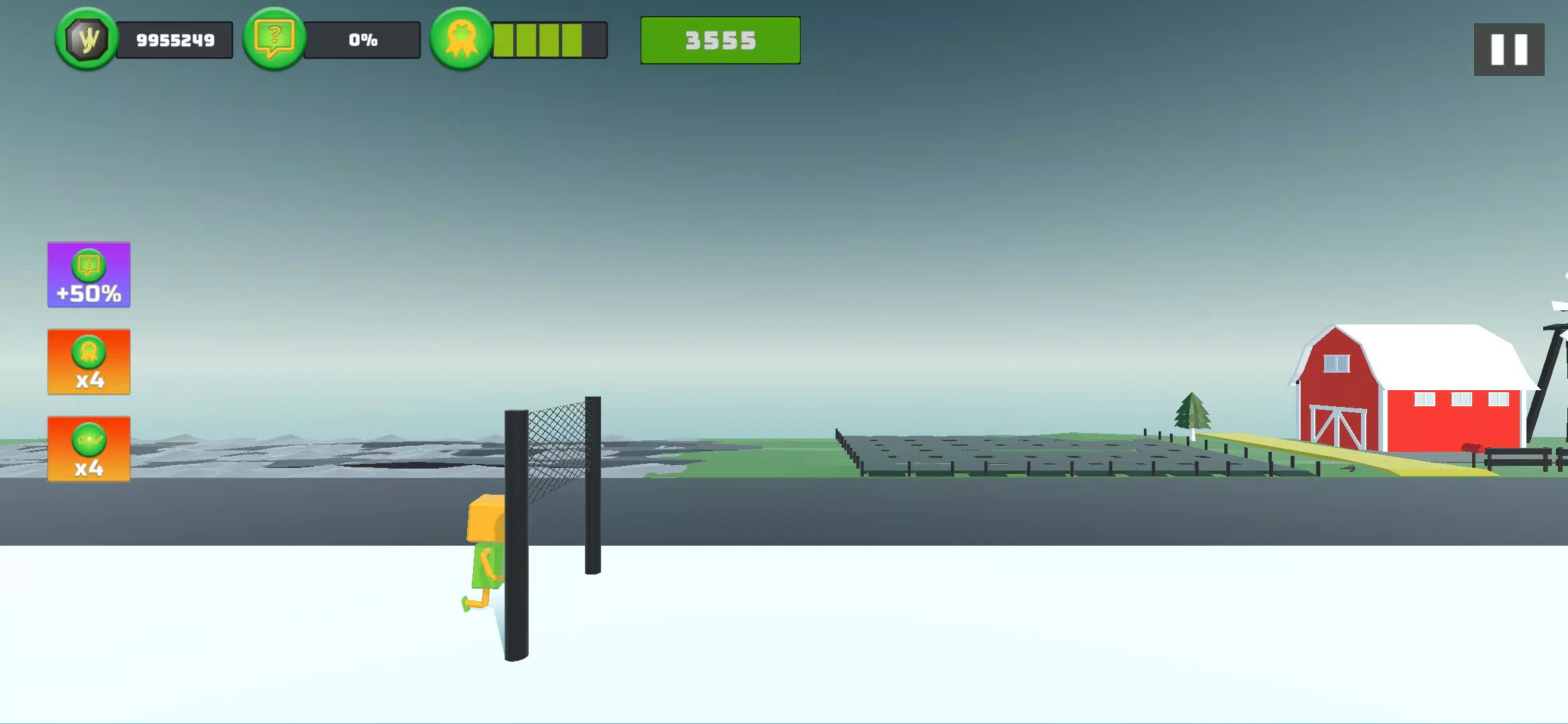
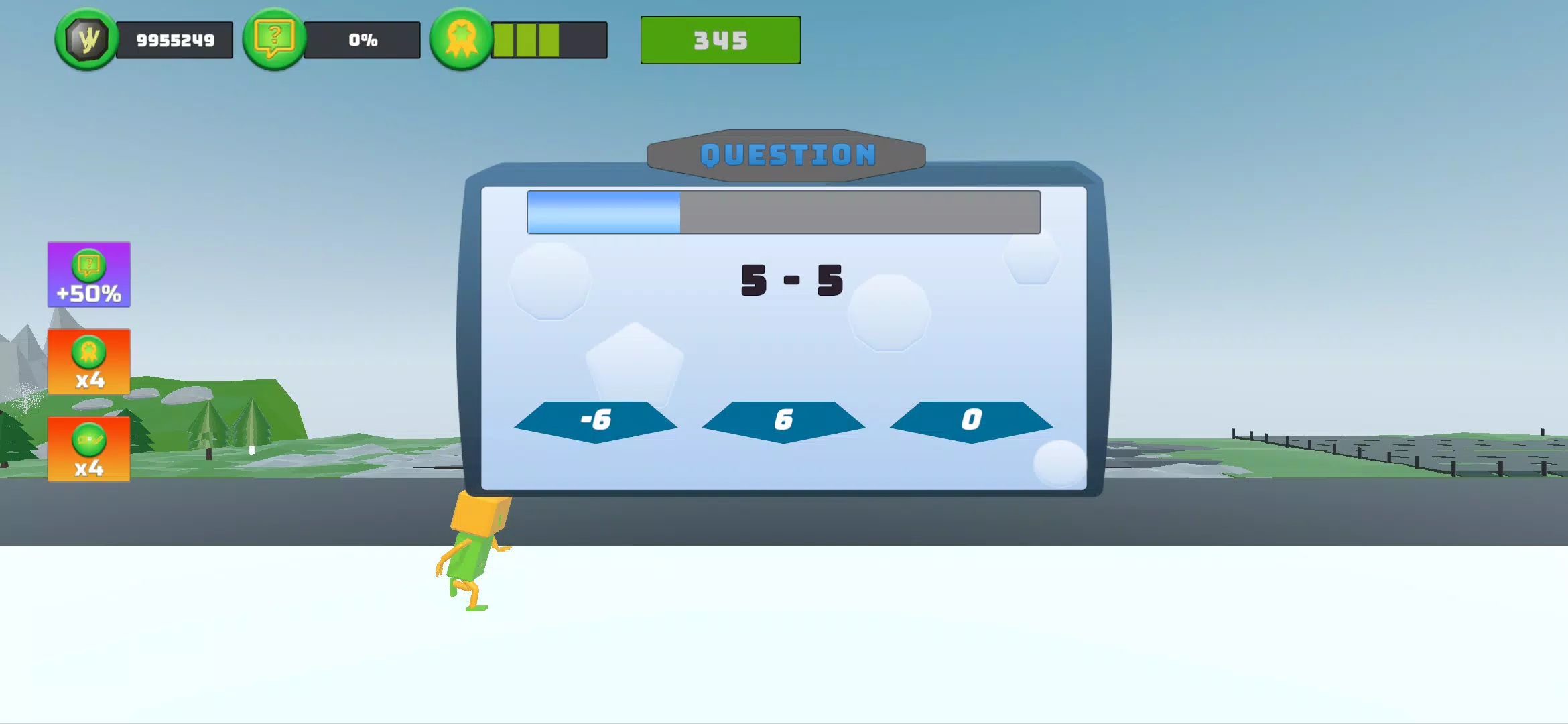
The game blends two familiar systems into a single experience: reactive platforming and micro-puzzles that appear mid-run. Dynamic obstacles change position or behavior between attempts so each run feels different, and puzzles are kept brief so they interrupt momentum without breaking the flow. Controls are intentionally simple and responsive to support one-handed play and quick restarts. Difficulty scales over time so the same short session stays engaging as players improve.
Gameplay Mechanics
Core gameplay alternates between navigating hazards and resolving short cognitive tasks. Obstacles test timing, lane choice and situational awareness while puzzles focus on pattern matching, logic prompts or quick memory cues that must be answered while continuing to move. Runs are segmented into short stages, and each stage introduces a particular obstacle type or puzzle theme so learning is gradual and predictable. Mistakes are immediate and clear, encouraging players to replay a single segment to master its challenge.
Controls and Accessibility
Controls emphasize responsiveness and ease: simple taps, swipes or a single on-screen button execute jumps, dodges and interactions with puzzle prompts. Control sensitivity and shortcuts can be adjusted in settings to match different hand sizes and play styles, and there are options to reduce motion or simplify prompt timing for players who prefer a gentler pace. Visual contrast and audio cues help communicate obstacle timing and puzzle feedback for players with diverse needs.
Progression and Level Structure
Progression in MindSprint depends on run performance rather than long grind systems. As players complete runs, later stages introduce new obstacle behaviors and faster puzzle prompts that require tighter coordination. Levels are composed of short, replayable segments so you can practice a particular challenge without committing to long sessions. The game rewards consistency with personal bests and clear feedback on what improved from one attempt to the next, which encourages skill development over arbitrary upgrades.
Visual Style and Customization
The visual presentation balances clarity with personality: clean silhouettes for obstacles, readable puzzle overlays and color palettes that make interactive elements stand out. The aesthetic avoids visual clutter so players can focus on timing and decision-making. A small set of visual and audio options allow players to tune the presentation for visibility or performance, including lower-detail rendering on older devices and adjustable sound effects for quieter environments.
Replay Value and Challenge Systems
Replay value comes from short, intense runs and a steady ramp in challenge. Because obstacles and puzzle mixes vary between attempts, repeated play uncovers new patterns and combinations that keep runs fresh. Challenge systems are based on mastering timing windows and increasing puzzle complexity rather than on collectible progression, which makes improvement feel skill-based and immediate. The game supports quick retries so you can iterate on a single difficult segment until it becomes comfortable.
User Experience and Offline Play
MindSprint is built for quick, accessible sessions with minimal loading and straightforward menus so players can jump in and out easily. Core gameplay does not require a persistent network connection, so runs can be played offline; online connectivity is only used for optional features like cloud backups or updates if present. The interface emphasizes clear feedback when you succeed or fail, short result screens with performance hints, and rapid restarts to keep momentum between attempts.
Considerations and Limitations
The rapid decision-making and brief puzzle interruptions are central to the experience, but they can feel intense for players who prefer relaxed pacing or long-form narrative. MindSprint focuses on agility and mental speed rather than deep story arcs or extensive progression systems, which makes it ideal for short-play bursts but less suited to players seeking lengthy campaigns or elaborate customization.
Final Notes
MindSprint offers a concise, practiced design that rewards quick thinking and tight controls. Players who enjoy training both reflexes and cognitive speed in short, repeatable sessions will find its blend of running and micro-puzzles satisfying and continually challenging as they sharpen their timing and decision-making.
Show More