Pantheland
Version:1.0.15
Published:2026-06-04
Introduction
Pantheland is a cooperative action-puzzle game that combines teamwork, environmental problem solving, and a modular combat system to create flexible, replayable encounters. In Pantheland, small teams work through interconnected levels where puzzles and combat are woven together; success depends on communication, creative weapon choices, and thoughtful module tuning rather than brute force. The title emphasizes experimentation: changing weapons alters your immediate role, and a deep talent-and-module system lets players fine-tune effects and stats to match a preferred playstyle.
Core gameplay
The core loop in Pantheland alternates between brain-first puzzles and short bursts of coordinated combat. Levels present environmental obstacles that require synchronized actions—timed switches, complementary skills, and spatial reasoning—so teams must plan routes and share tasks. Combat encounters are designed to reward switching weapons and adapting modules mid-run: one weapon may grant crowd control while another enables focused single-target damage, and combining those roles within a team opens strategic approaches to the same encounter. The structure encourages learning by doing, with encounters often offering multiple viable solutions rather than a single scripted outcome.
Weapons, modules, and progression
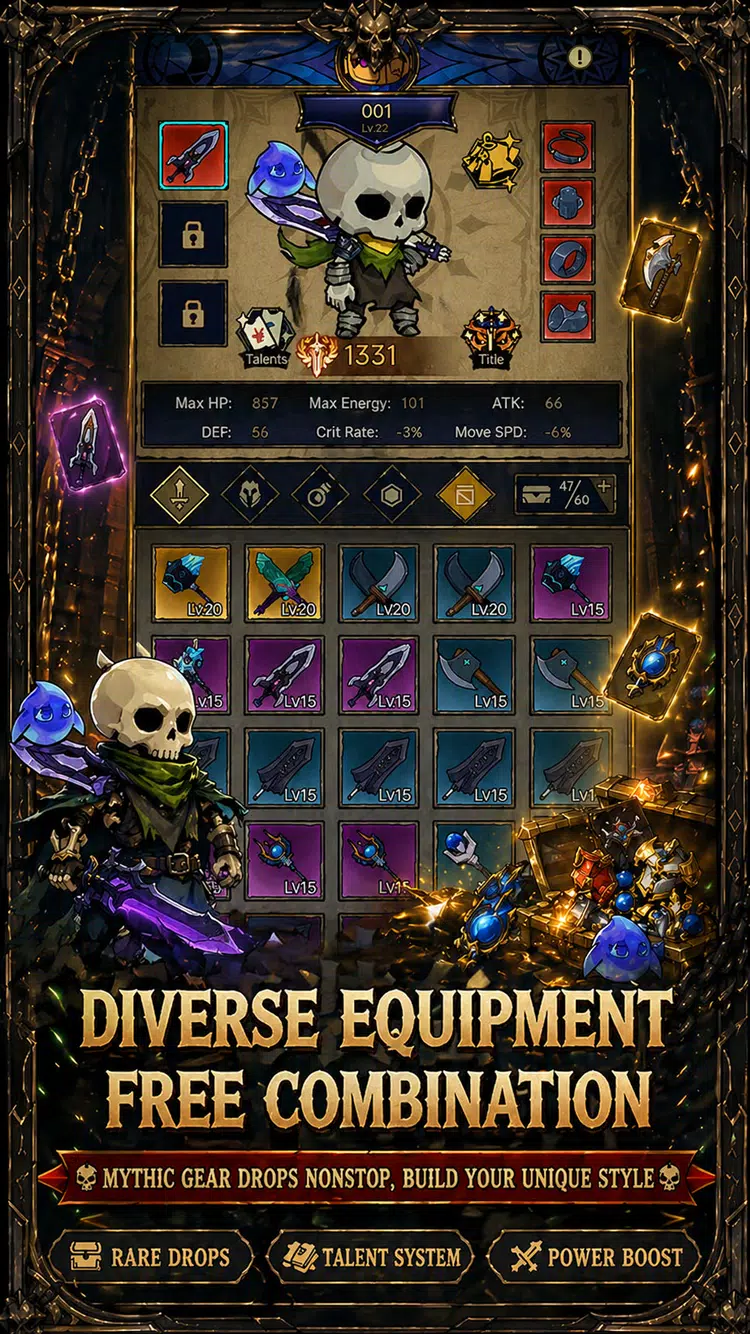
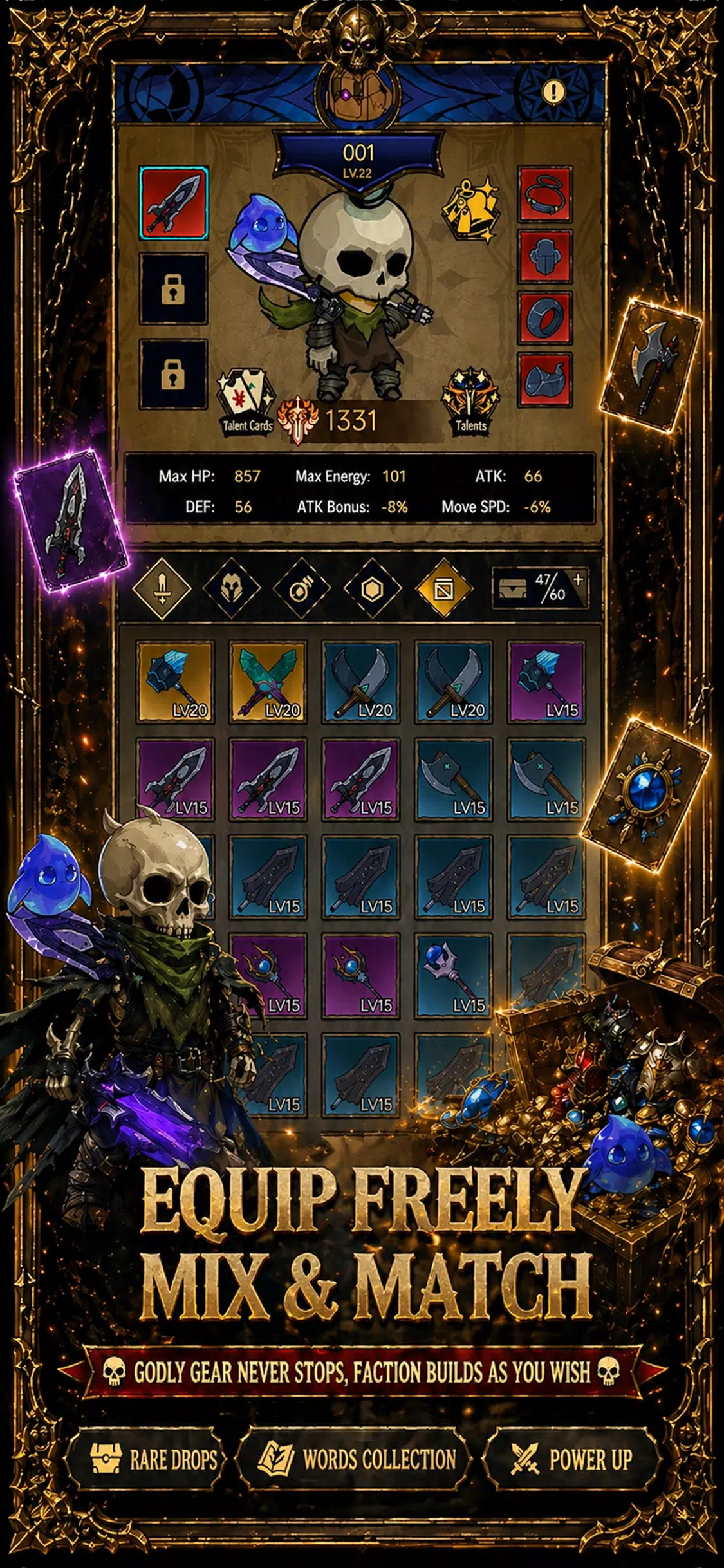
Pantheland’s weapon system is intentionally class-free: each weapon defines a distinct attack pattern and set of exclusive skills, while modules modify attributes such as range, status effects, and projectile behavior. Players advance through independent talent trees for each weapon type, unlocking passive bonuses or skill enhancements that deepen long-term progression. Because talents are separated by weapon, switching gear feels meaningful and progression remains visible across multiple playstyles. The combination of modular attachments and weapon-specific talent branches creates a wide design space for experimentation without forcing players into rigid templates.
Controls and interface
The game presents a streamlined control scheme suited to touch or traditional controllers, with clear icons for weapon swapping and module activation so players can adapt quickly during chaotic moments. Input responsiveness and concise feedback—visual cues for active modules, cooldown timers, and concise combat text—help reduce frustration when trying new combinations. The interface focuses on accessibility: key information is available at a glance and tooltips explain module interactions and talent effects, making it easier to iterate on builds during play sessions.
Level design and visual style
Levels are crafted around layered challenges rather than repetitive corridors. Stages blend puzzle arenas with short combat arenas so teams frequently shift their focus between cooperation and quick tactical choices. The visual presentation favors clarity over spectacle: readable silhouettes, contrasting interactive elements, and contextual lighting guide movement and highlight puzzle components. This approach keeps attention on solving problems and coordinating action, while artistic touches and varied environments maintain visual interest across multiple runs.
Challenge systems and difficulty
Pantheland balances accessibility with depth through adjustable encounter complexity and layered objectives. Early levels introduce core mechanics and module interactions, while later stages combine those mechanics into multi-step puzzles that reward coordination. Challenge modifiers and optional objectives encourage players to refine builds and experiment with synergies, and many encounters are designed to support alternate solutions so teams can choose stealthy approaches, heavy module builds, or hybrid strategies depending on composition and taste.
Replay value and customization
Replayability comes from the breadth of weapon-and-module combinations and the emergent strategies they create. Because talents are weapon-specific and modules can dramatically change how an attack behaves, runs feel different even when replaying a favorite stage. The game design supports short sessions for quick experimentation as well as longer runs focused on optimizing a particular build, and the modular progression system is tuned so players can test meaningful variations without long downtime between attempts.
User experience and accessibility
The player experience in Pantheland emphasizes steady learning and cooperative reward: in-game hints, progressive tutorials for new systems, and clear visual feedback help onboard new players while leaving room for mastery. Accessibility considerations include adjustable difficulty pacing and readable UI elements to accommodate different play preferences. The design intent is to make core systems discoverable while keeping depth available for players who want to dive into advanced customization and team strategies.
Practical notes
Pantheland is best enjoyed with communication and a willingness to experiment: swapping weapons and modules during a run is an intended part of the design rather than a side activity. The game avoids rigid class labels in favor of emergent roles shaped by the gear players choose, which keeps teamwork dynamic and encounters fresh as player skill and knowledge grow.
Show More