Pearls of Apocalypse
Version:4.0
Published:2026-06-06
Introduction
Pearls of Apocalypse drops players into a bleak, post-collapse wasteland where the central goal is to locate a missing loved one and guide the story to a hopeful resolution. Pearls of Apocalypse combines a compact, narrative-driven structure with accessible exploration mechanics, making it suitable for players who want a focused rescue mission without complex controls. The opening moments set an emotional tone and a clear objective: search ruined landscapes, follow clues, and piece together what happened to the missing character while managing tension and atmosphere rather than intricate combat or resource systems.
Gameplay and mechanics
The core gameplay mixes light exploration with short puzzle-like sequences and environmental storytelling. Movement and interaction are intentionally simple to keep the experience casual: tap or swipe to move between locations, tap objects to examine them, and use contextual prompts to interact with key items. These controls are designed for touch devices and respond quickly, so exploration feels smooth on phones and tablets. Challenges are primarily observational and situational rather than reflex-based, encouraging players to slow down and read visual cues scattered through each area.
Progression and structure
Progression in Pearls of Apocalypse unfolds across compact chapters or scenes that each represent a distinct stretch of the wasteland. Each chapter introduces a new location, a short set of objectives, and a few optional items or notes that expand the narrative. Checkpoints and short scene transitions reduce repetition and keep play sessions manageable; you can complete meaningful progress in short sittings and return later without losing context. Difficulty ramps gently as objectives require more careful observation or combining previously found clues.
Visual style and atmosphere
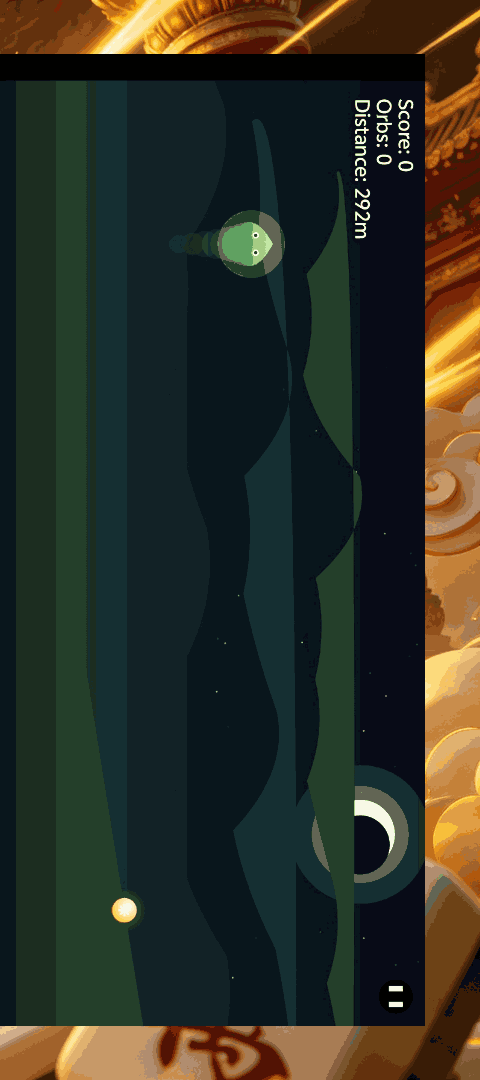
The visual identity leans into a muted, desaturated palette that emphasizes emptiness and melancholy while still highlighting interactive objects through subtle lighting and contrast. Environments are crafted to tell small stories on their own — overturned vehicles, abandoned shelters, and handwritten notes contribute to the emotional weight of the mission. The soundtrack and ambient effects are understated, supporting exploration rather than dominating it, which helps maintain immersion through quieter moments of discovery.
Level design and replay value
Levels are structured as short, self-contained areas that encourage thorough searching and paying attention to detail. While the main route is straightforward, optional objects and side clues provide extra context and reward returning to previously explored scenes with fresh perspective. Replay value comes from uncovering missed environmental notes and pieces of the story you may have skipped on the first run; these elements enrich the overall narrative without relying on branching multiplayer or competitive systems.
Customization and accessibility
The interface is kept minimal to avoid clutter, with options to adjust text size, audio levels, and basic control sensitivity to suit different preferences. Simple accessibility touches — readable fonts, clear contrast on interactive items, and optional subtitles for narrative text — are included to make the experience approachable for a wider range of players. The game does not require fast reflexes, and its paced design is friendly to players who prefer exploration over high-intensity action.
User experience and offline play
Pearls of Apocalypse is designed as a single-player, offline-friendly experience so you can play without a persistent internet connection. The user experience emphasizes short, satisfying play sessions: autosaves and quick reloads let you step away and resume without frustration. The interface provides clear objectives for each scene and gentle hints when players appear stuck, preserving immersion while reducing the need for external guides.
Challenge systems and learning curve
Challenges are centered on observation and simple problem solving rather than complex mechanics. The learning curve is gradual: early objectives teach the basics of exploration and interaction, while later scenes combine those skills into slightly more involved searches. For players seeking a relaxed, story-centered diversion, the balance favors contemplation and emotional engagement over mechanical depth, but there are moments that reward careful thinking and attention.
Pearls of Apocalypse offers a concise, emotionally resonant experience focused on exploration, narrative clues, and a clear rescue objective. The game is well suited to players who appreciate mood, atmosphere, and short-form storytelling, with accessible controls and settings that support comfortable play sessions on a variety of devices.
Show More