Midas Merge: Matching Games
Version:2.15.0
Published:2026-06-07
Introduction
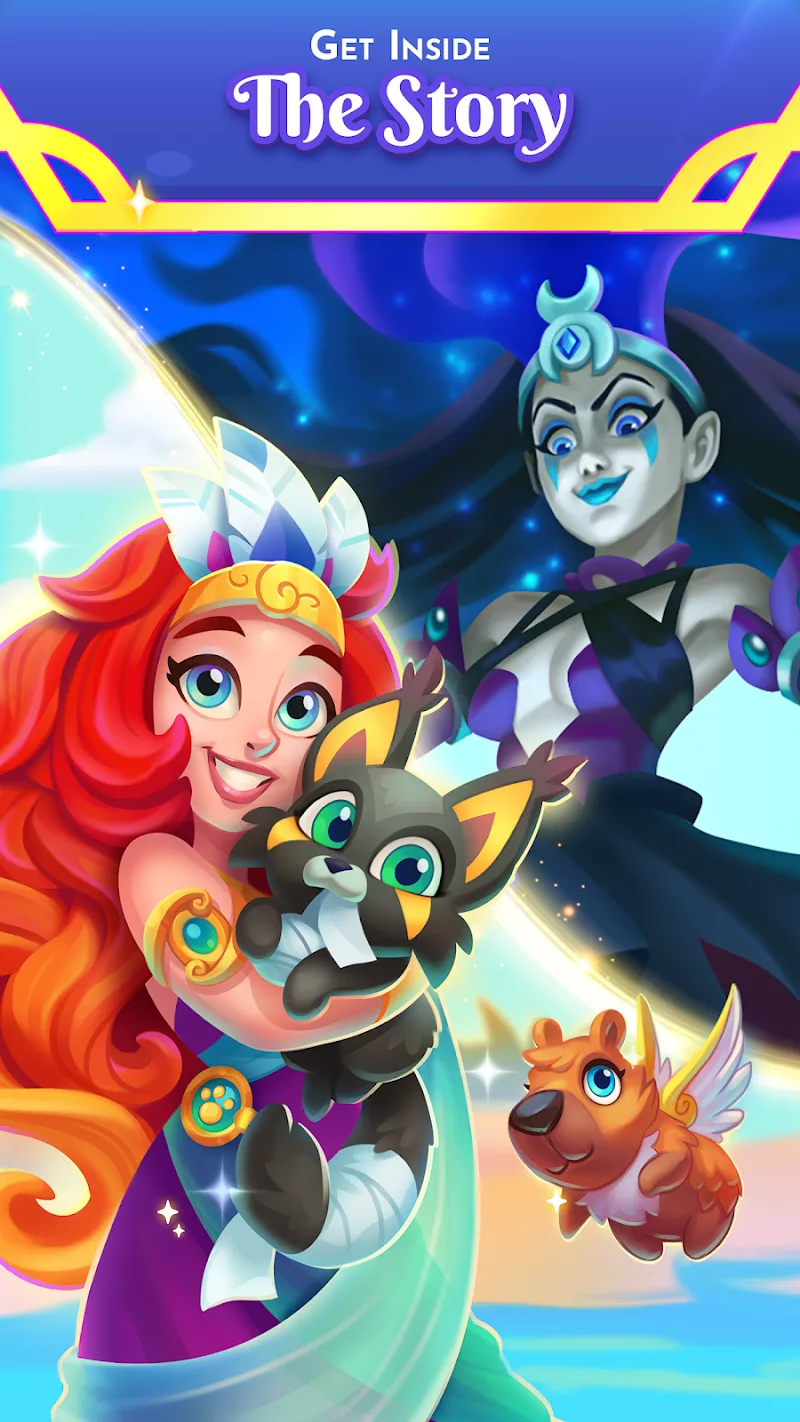
Midas Merge: Matching Games is a casual match-and-merge puzzle built around hexagonal board play and light worldbuilding: combine identical items to create higher-tier objects, hatch collectible creature eggs, and repair a fractured kingdom after a broken crown sets events in motion. The first impressions are quick to learn yet rewarding to plan—the hex grid changes typical matching strategies, and short levels let you play in bite-sized sessions while a slow-moving quest ties puzzles together into a coherent restoration story.
Gameplay
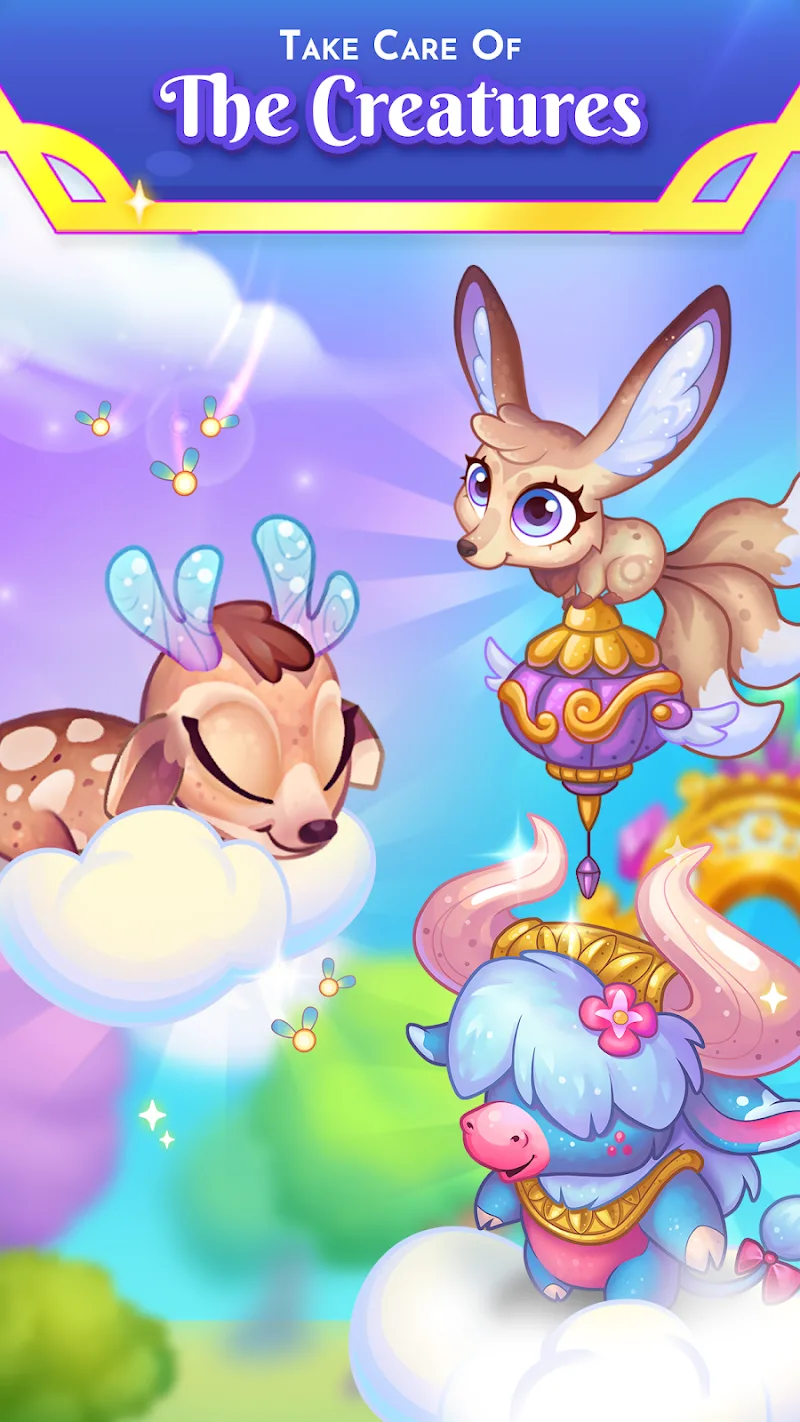
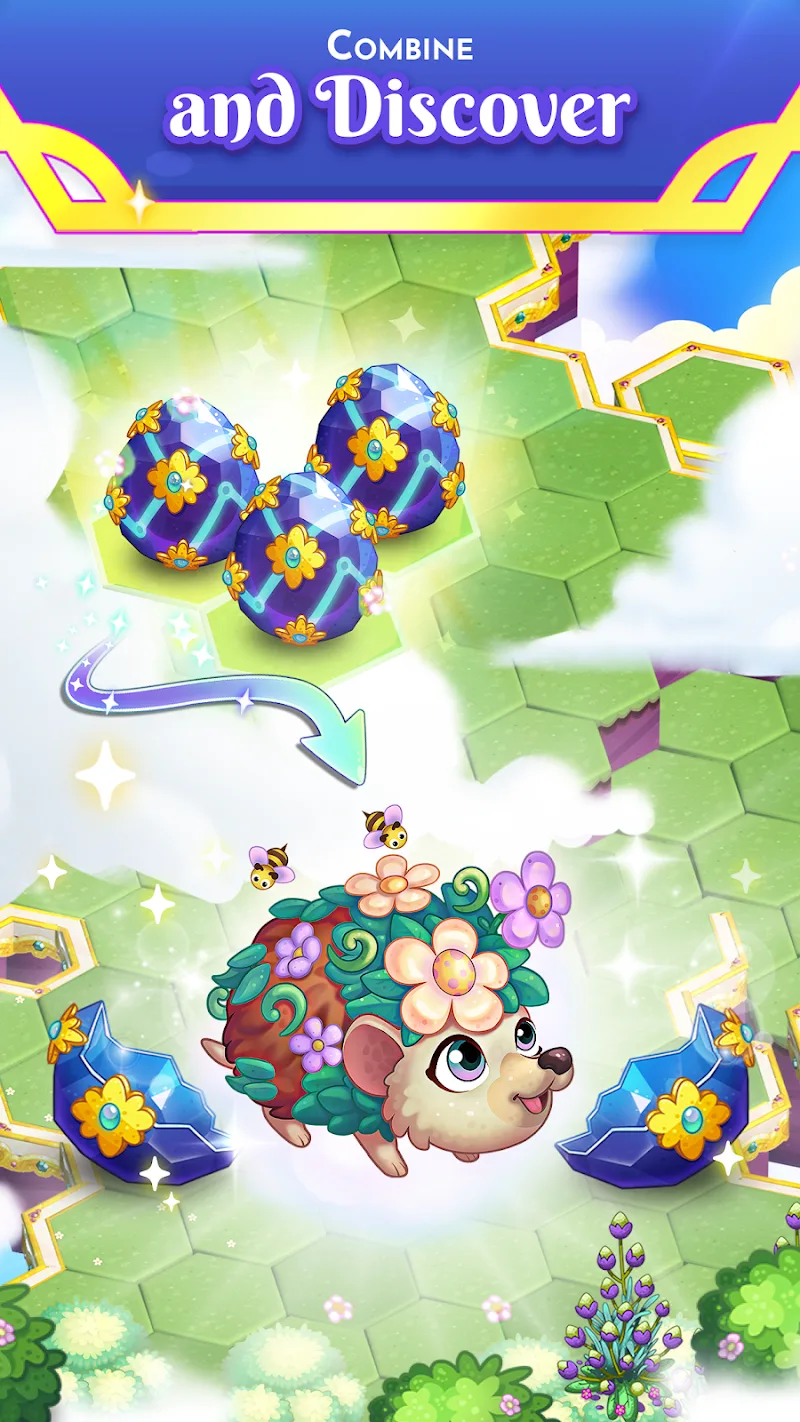
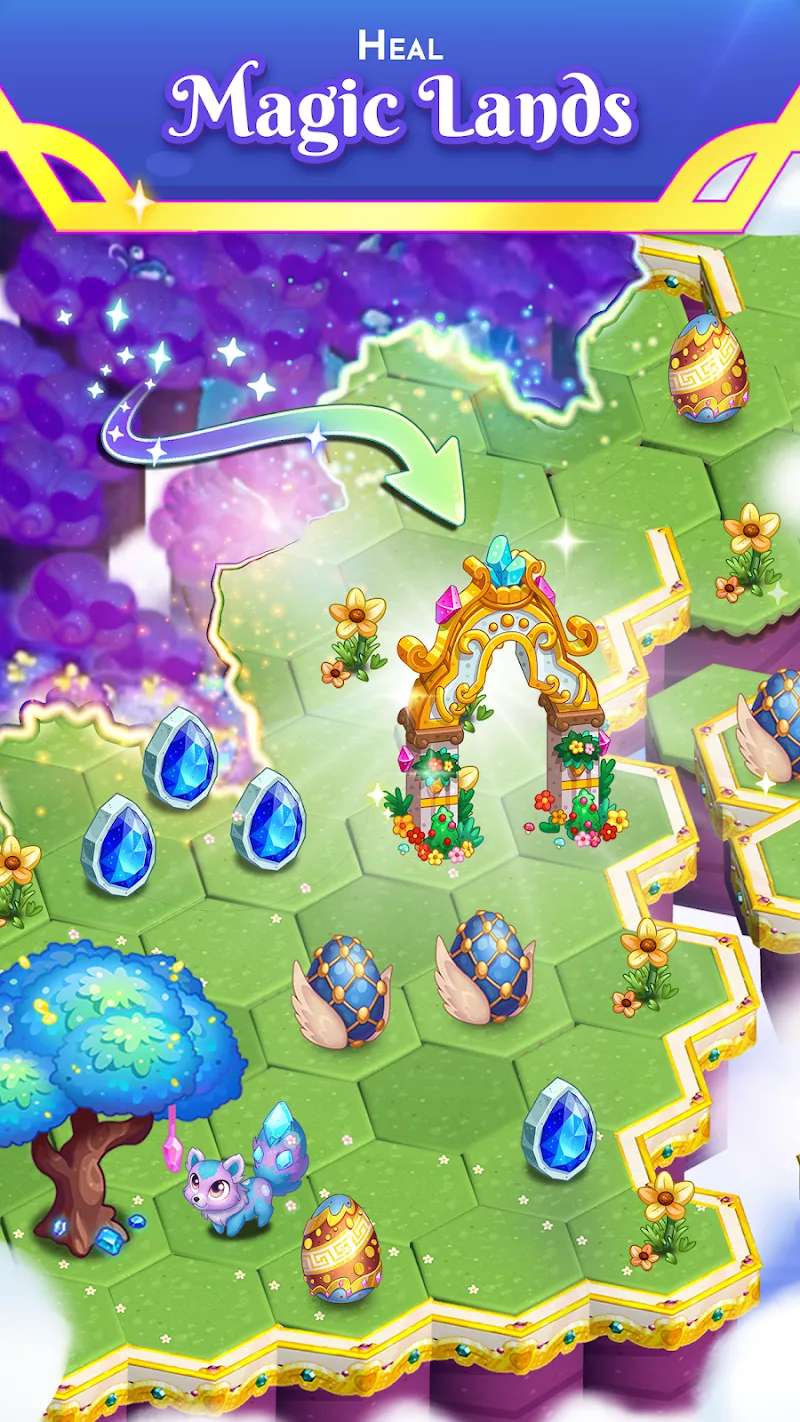
The core loop in Midas Merge: Matching Games centers on combining three or more matching tiles to form upgraded items, then using those upgrades to complete small objectives such as clearing debris, restoring decorations or opening an egg. The hexagonal layout increases adjacency options compared with square grids, creating more merge opportunities and requiring spatial foresight. Levels are presented as independent snapshots of a location, each with a set of tasks and a few environmental modifiers that subtly shift how you prioritize merges. Creature eggs are a recurring reward: when you free and hatch them, new items and passive bonuses become available in later puzzles, adding a meta-layer to each play session.
Controls and Accessibility
Controls are intuitive and designed for touch screens: tap to select a tile and tap a matching neighbor to merge, or press and drag to swap when you prefer direct movement. The game accommodates single-handed play and short sessions by keeping interactions minimal and responsive. Accessibility options include adjustable animation speeds and a readable UI scale so players who prefer slower visual feedback or larger text can tailor the experience. Sound and music can be toggled independently, and visual contrast is considered in board and item design to improve clarity for players with visual sensitivity.
Progression and Customization
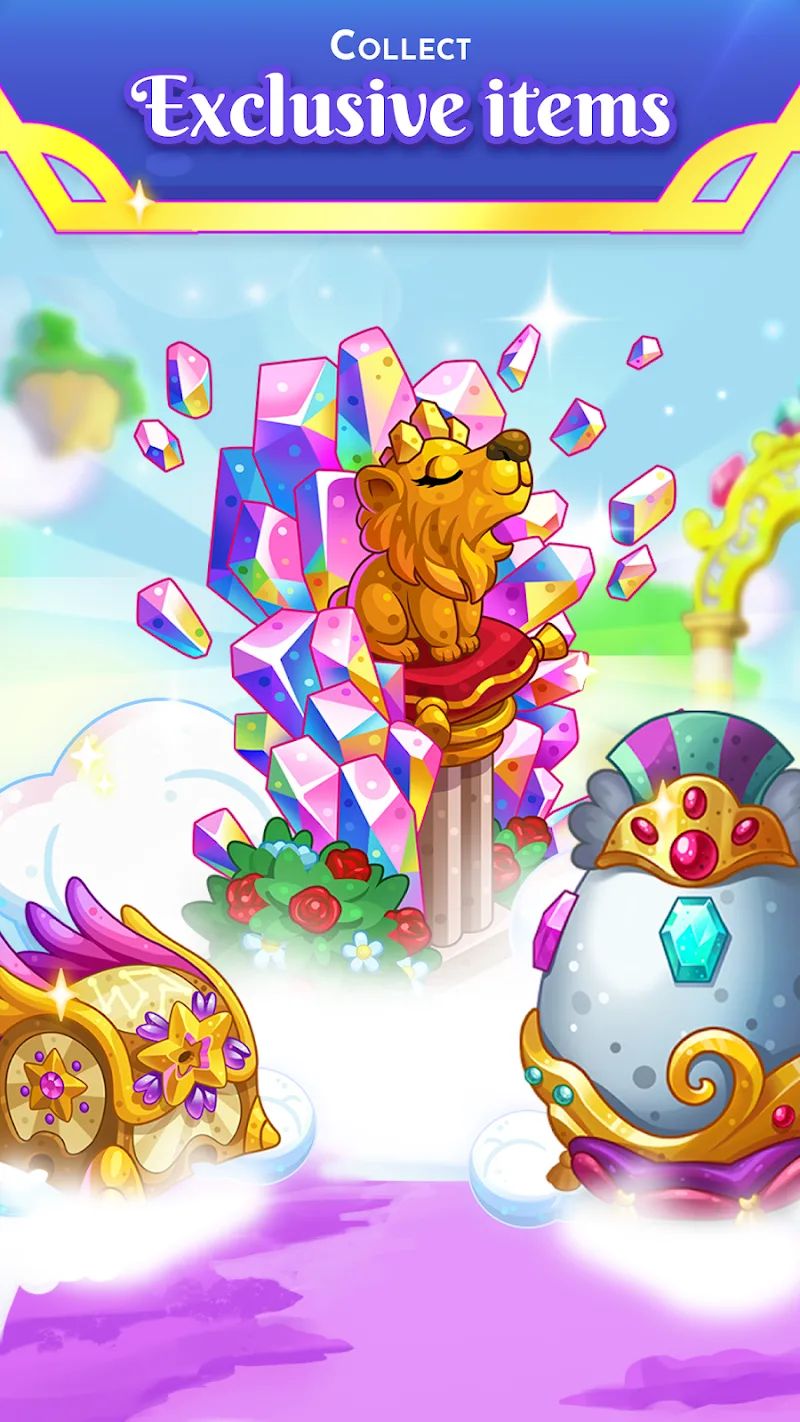
Progression in the game blends level completion with collection goals. Completing a location unlocks its next scene and often grants cosmetic items or resources that let you decorate small areas or care for hatched creatures. These customization touches are primarily aesthetic: they provide reasons to return beyond puzzle completion without changing the single-player balance. A quest system guides you through short objectives that gradually increase in complexity and introduce new tile types and mechanics, so your strategic options expand naturally rather than being forced by abrupt difficulty spikes.
Visual Style and Level Structure
The visual presentation favors bright, hand-crafted illustrations with distinct palettes for each location so levels feel visually fresh as you move from one restored area to another. Backgrounds evolve to reflect narrative progress—small details appear or return as you repair the world—giving a satisfying sense of change even in short play sessions. Levels are delivered in small, self-contained stages: this structure supports players who want predictable, quick puzzles as well as those who prefer to chain multiple stages for longer play. Item designs are readable at mobile scale so merges and objectives remain clear even on smaller screens.
Replay Value and Challenge Systems
Replay value comes from several modest systems that do not require real-time competition: optional challenge stars or three-tier objectives encourage efficient play, while limited-use modifiers introduce variety for replaying levels. Daily quests and rotating objectives (delivered offline) offer short-term targets that refresh puzzles without changing core mechanics. Difficulty ramps gradually through board complexity, new tile behaviors and environmental constraints, so casual players can progress steadily while more deliberate players find room for optimization and score improvement.
User Experience and Offline Play
Midas Merge: Matching Games is designed as a primarily single-player experience that functions without a constant network connection; most puzzles, the main quest, and basic collection systems are available offline so you can play on the go. The interface emphasizes clear feedback for every merge, straightforward task tracking and consistent pacing to reduce confusion. Regular updates can add new levels and items, but the base experience remains accessible and suitable for short bursts of play, longer puzzle sessions or returning to earlier levels for completion and collection.
Show More