hollow tag
Version:1.0.5
Published:2026-06-13
Introduction
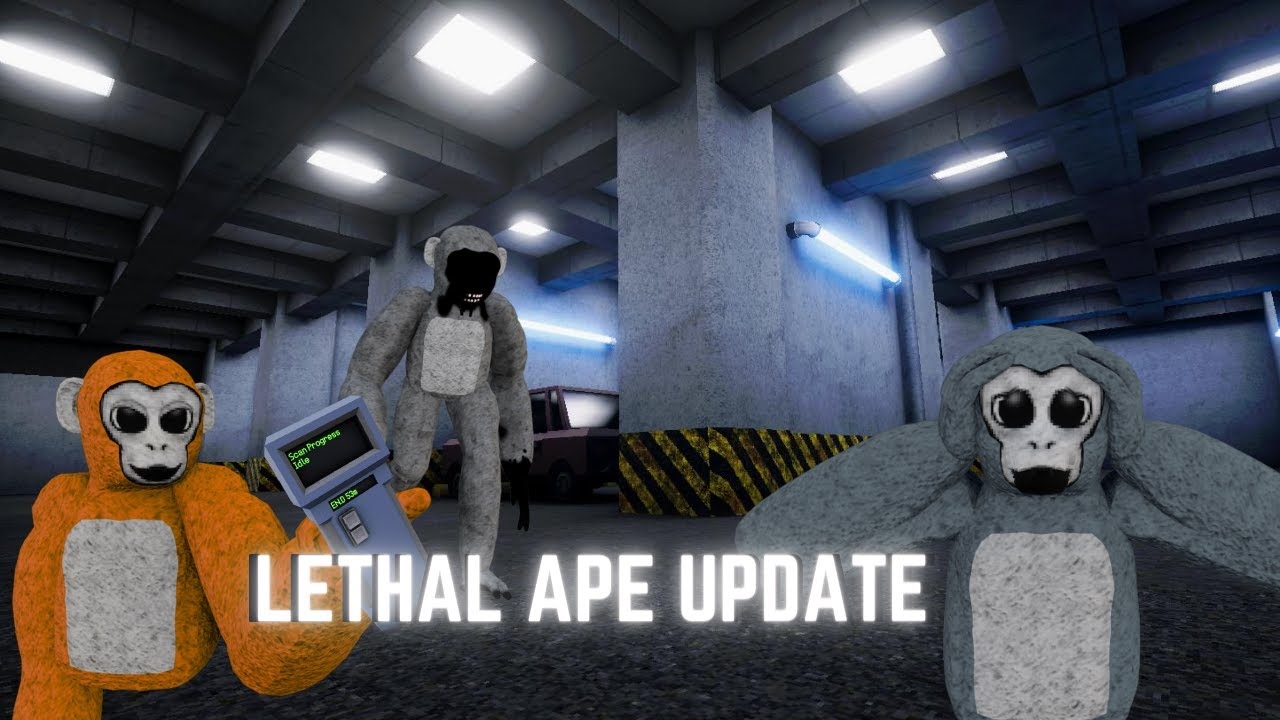
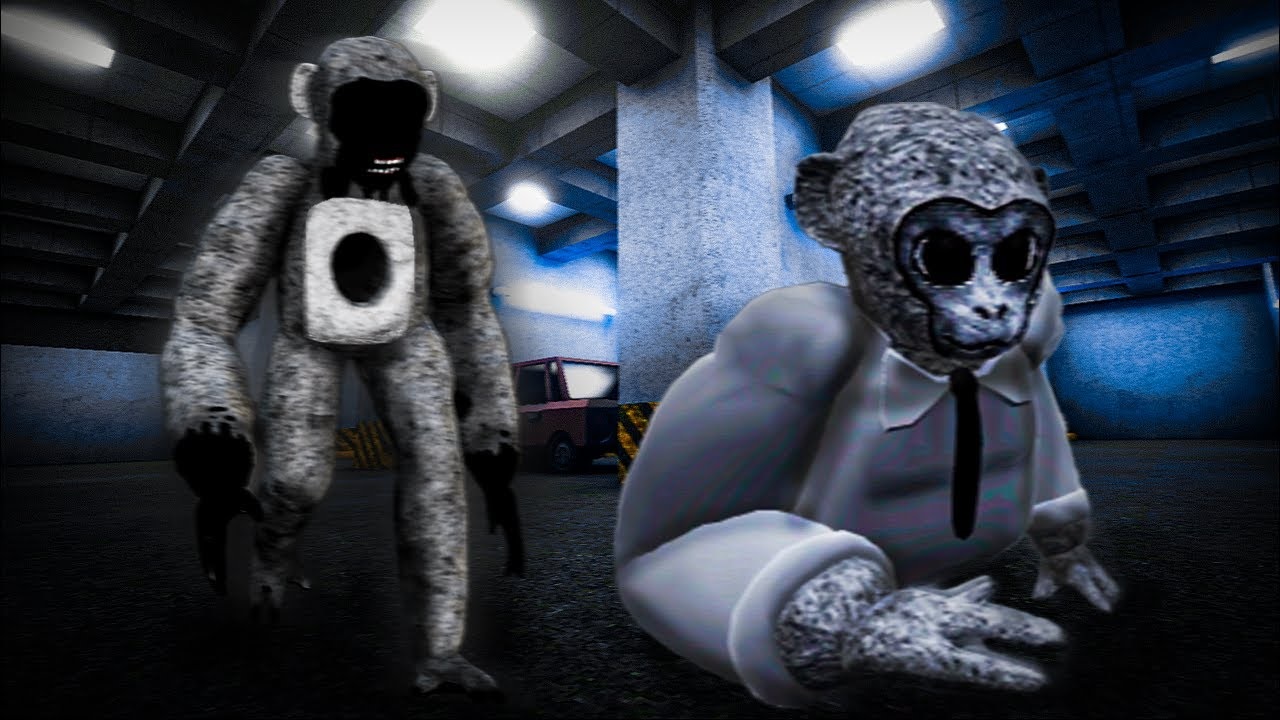
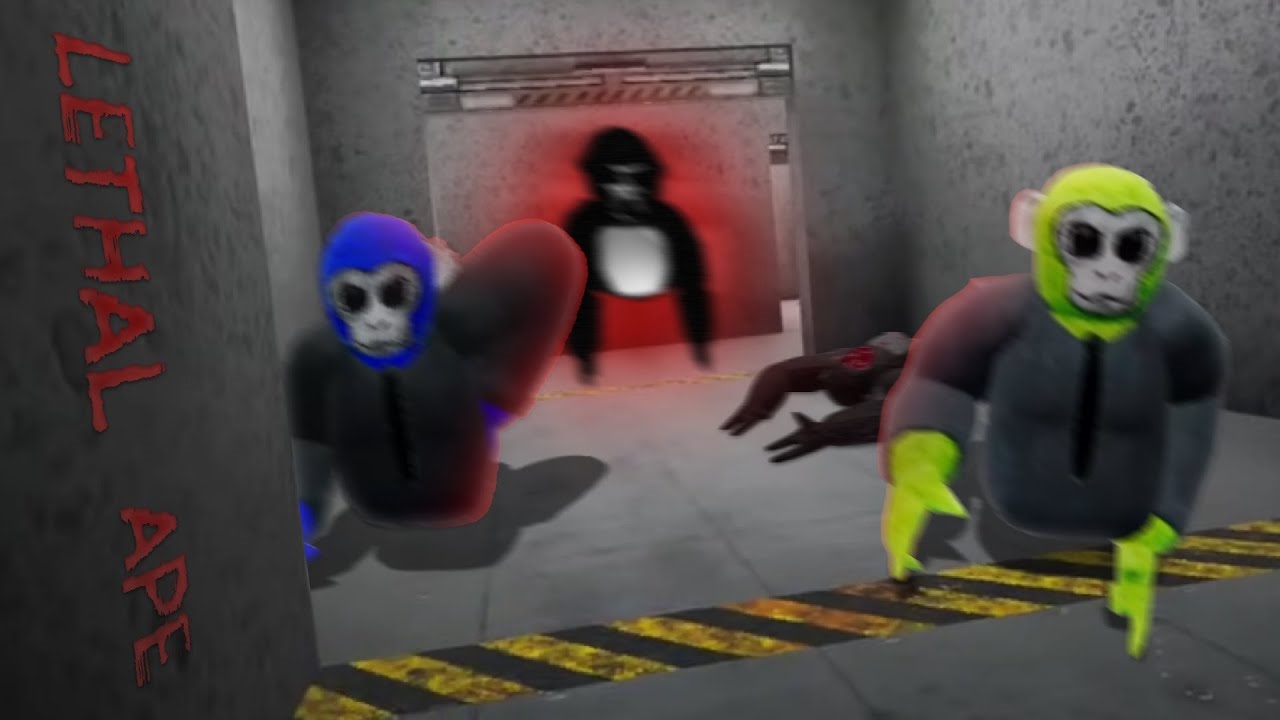
hollow tag is a lightweight VR tag-style multiplayer game built for casual players who want short, social play sessions in virtual reality. This small-scale experience emphasizes simple chase-and-evade mechanics, headset-friendly movement, and quick matches rather than a long campaign, so hollow tag is a good fit for players who prefer bite-sized rounds and hands-on practice between other VR activities. The project is still under active development and experimental builds are distributed for early testers who want to try multiplayer sessions, report issues, and help shape future changes.
Key features
The core loop centers on classic tag gameplay translated to a headset: one or more players take on the role of the chaser while others focus on nimble movement and hiding. Matches are designed to be approachable, with modest learning requirements and controls tuned for comfort in room-scale and standing setups. The experience favors short rounds that conclude quickly so groups of friends can cycle through games without long waits. Because the title is under active development, builds frequently include gameplay tweaks and quality-of-life improvements based on community feedback.
Gameplay mechanics
Gameplay in hollow tag relies on straightforward chase dynamics rather than complex combat systems. Movement emphasizes physicality and presence: players navigate short maps with obstacles, sight-lines and small elevation changes to create moments of pursuit and escape. Rounds typically use a time limit or simple elimination rules so objectives remain clear and matches finish fast. The design aims for predictable, learnable interactions; players improve by refining movement, timing, and use of the environment rather than mastering extensive button combinations.
Controls and comfort
Controls are intentionally simple to reduce friction for new VR users and to prioritize comfort during repeated short sessions. Typical input includes basic locomotion options, a dedicated grab or dodge action, and a single interaction button for any context-sensitive actions in a match. Comfort settings are supported to reduce motion sickness, with adjustable snap-turn, vignette, and turning speed available in development builds. The control layout keeps core actions within easy reach so players can focus on spatial awareness and social fun.
Progression and customization
Rather than a long campaign progression, hollow tag focuses on session-based progression and personal improvement: players can track short-term stats such as tags made and matches played to measure skill growth. Experimental builds may include modest cosmetic options that let you personalize your presence in a match, but persistent competitive systems are not a central part of the current design. The development team prefers lightweight progression that rewards play with a sense of mastery rather than complex unlock trees.
Visual style and level structure
The visual approach is minimalist and performance-conscious to keep the experience smooth on a range of VR headsets. Environments are designed around readable geometry and contrast so players can quickly parse safe routes and hiding spots during a chase. Levels are compact, with a focus on interesting sight-lines and multiple paths rather than sprawling arenas. This keeps match flow rapid and reduces downtime between engagements while maintaining clear spatial cues for navigation.
Replay value and social play
Replay value in hollow tag comes from short, variable matches and social interaction. The simplicity of the rules encourages experimentation with different chasing and evasion tactics, and small changes to map layout can make familiar arenas feel fresh. Multiplayer sessions are the principal draw: quick matches with friends or other players create lively social moments, and experimental builds invite players to test new ideas and voice preferences about future content and balance.
Accessibility, system requirements and offline options
hollow tag is intended for VR headsets and assumes room-scale or standing play; users should check build notes for specific headset compatibility. Accessibility considerations include adjustable comfort settings and simplified controls so new VR users can join with minimal setup. At present, the focus is on online multiplayer sessions; there is limited offline content and no single-player campaign in the current development cycle, though future builds may explore practice modes or solo warm-ups depending on player feedback.
Development and community
The game is created by an individual developer working from a GTAG-inspired concept and the project is shaped by ongoing community input. Players who participate in experimental builds can report bugs, suggest adjustments to mechanics, and help prioritize what features come next. The development approach is iterative: small updates roll out frequently, and the community’s early testing plays a direct role in refining balance, controls, and user experience across future releases of hollow tag.
Show More