Dead Ahead: Roadside
Version:0.6.2072
Published:2026-06-25
Introduction
Dead Ahead: Roadside is a mobile game that combines tactical squad-based combat, narrative choices, and idle-style progression in a pixel-art zombie apocalypse. In this game you take command of a small group of survivors, make decisions that alter personalities and story outcomes, manage scarce resources and morale, and guide the team through procedurally varied expeditions along ruined highways and settlements. Dead Ahead: Roadside supports both short play sessions and longer campaigns, offering a mix of strategy, roleplaying and roguelike unpredictability.
Key features
The game centers on branching storylines where conversational choices and mission decisions affect relationships, faction standing, and later mission availability. Campaigns unfold differently depending on which survivors you recruit, the choices you make while exploring, and how you handle supply and morale crises. Encounters combine turn-based tactical positioning with waves of enemies that scale in intensity, creating moments that reward careful planning and rapid adaptation.
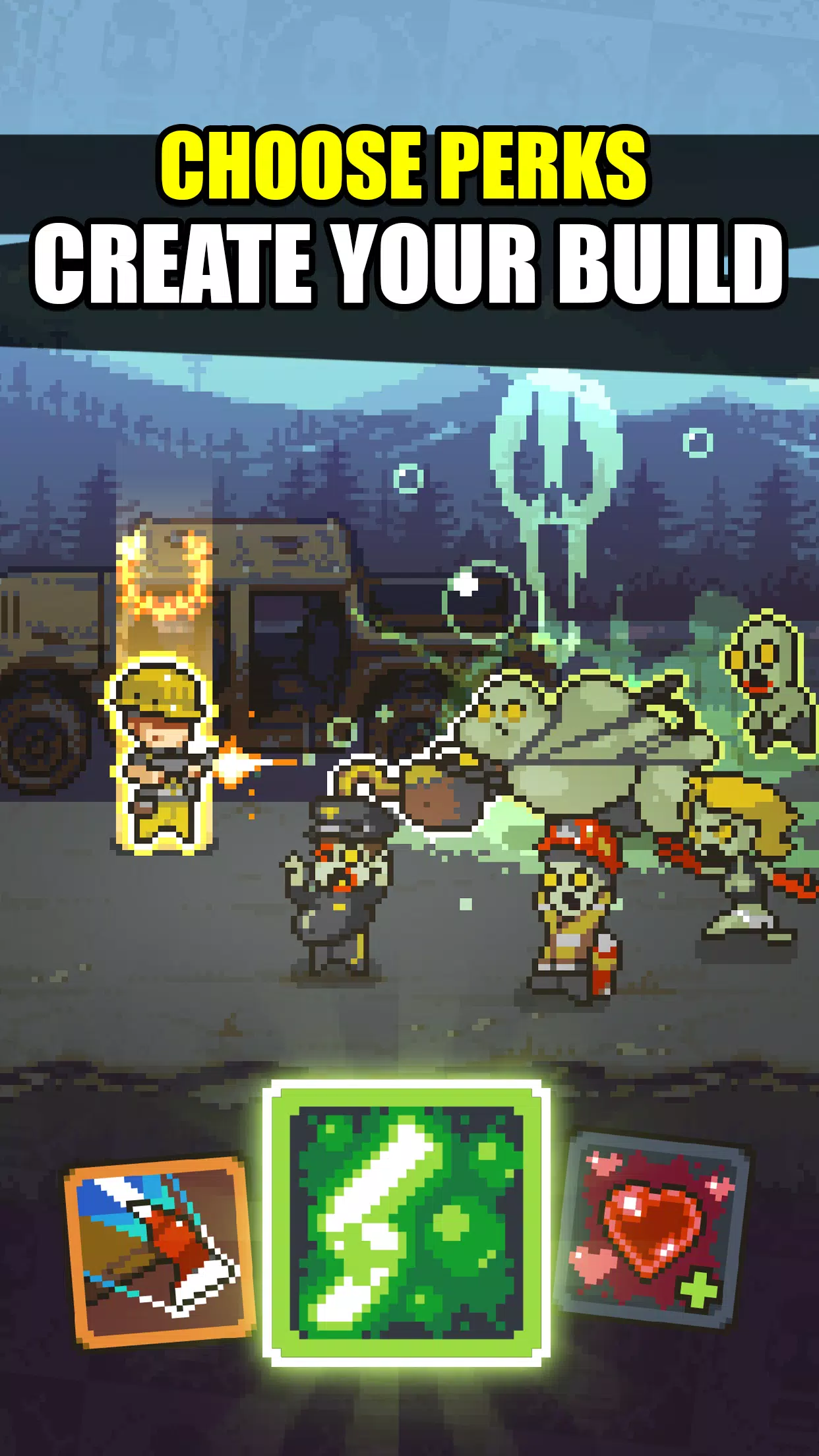
Survivor development is deep but approachable. Each character has a set of skills and personality traits that influence behavior during exploration and combat; skill trees let you specialize roles such as scout, medic, or heavy hitter, while personality and relationship systems introduce emergent interactions that change how characters perform under stress. Idle-style progression and persistent upgrades allow squads to improve between missions, so even short sessions can contribute to long-term growth.
Gameplay mechanics and progression
Exploration is mission-driven and often combines scripted events with roguelike randomness: you may find a well-stocked safehouse in one run and a desperate supply roadblock in another. Resource management—food, fuel, ammo, and medical supplies—is central to survival, and decisions about when to push forward or retreat have meaningful consequences. Combat emphasizes positioning and the use of terrain: taking high ground, funneling zombie waves, and timing abilities are all part of tactical success.
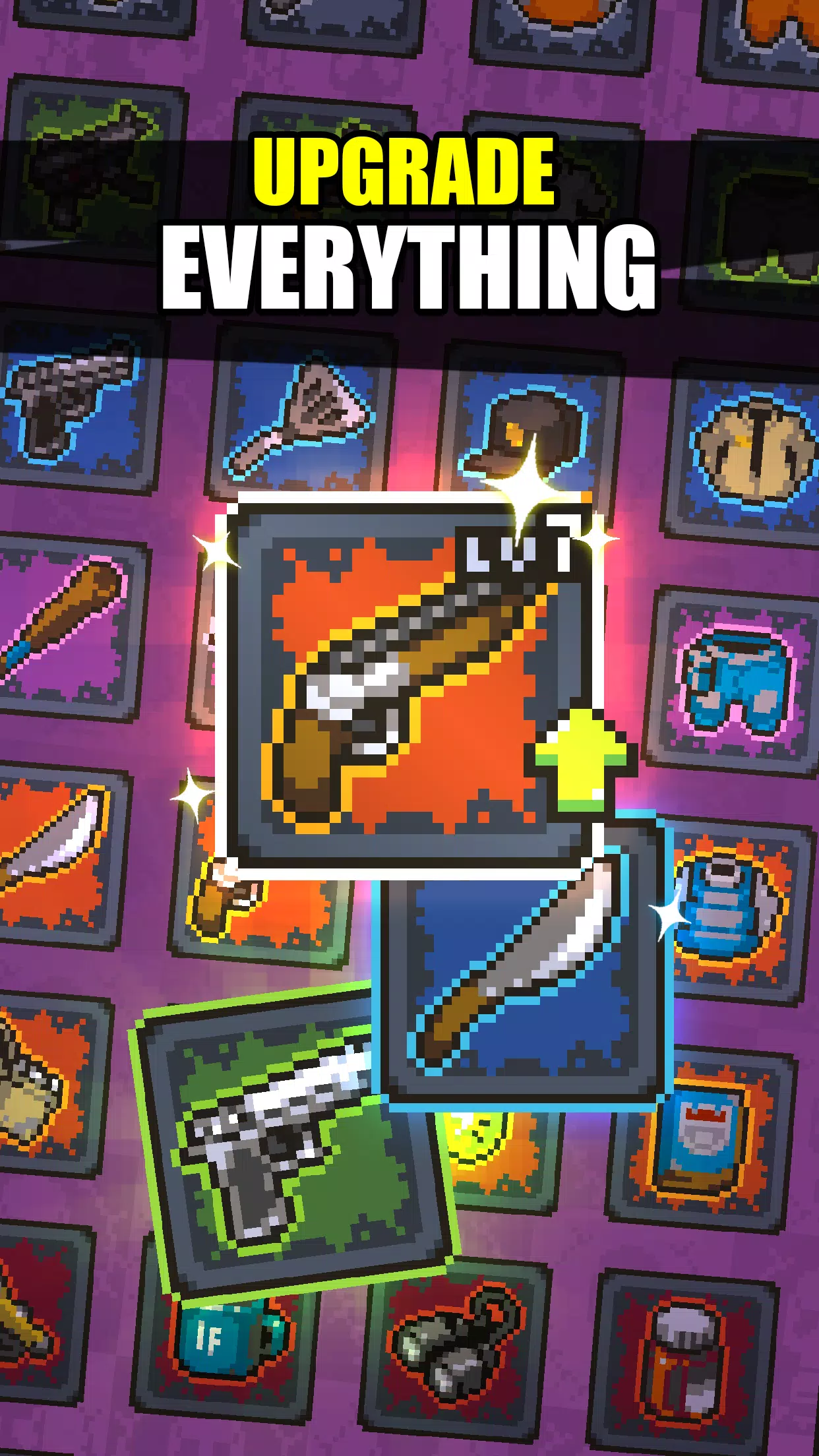
The progression loop balances immediate mission goals with meta-level advancement. Between expeditions you can allocate resources to base upgrades, unlock new equipment and refine skill trees, and swap out party members. This layered progression supports a sense of steady improvement without eliminating the tension of high-stakes encounters during any single run.
Controls and user interface
Controls are optimized for touchscreen play, with tap-to-select movement, context-sensitive action buttons, and simple drag gestures for inventory management. The interface presents vital information clearly: survivor health, morale, equipped items, and ability cooldowns are displayed at a glance so decisions in combat remain fluid. Tooltips and short tutorial prompts ease new players into the mechanics while allowing experienced players to skip repetitive guidance.
Visual style and level structure
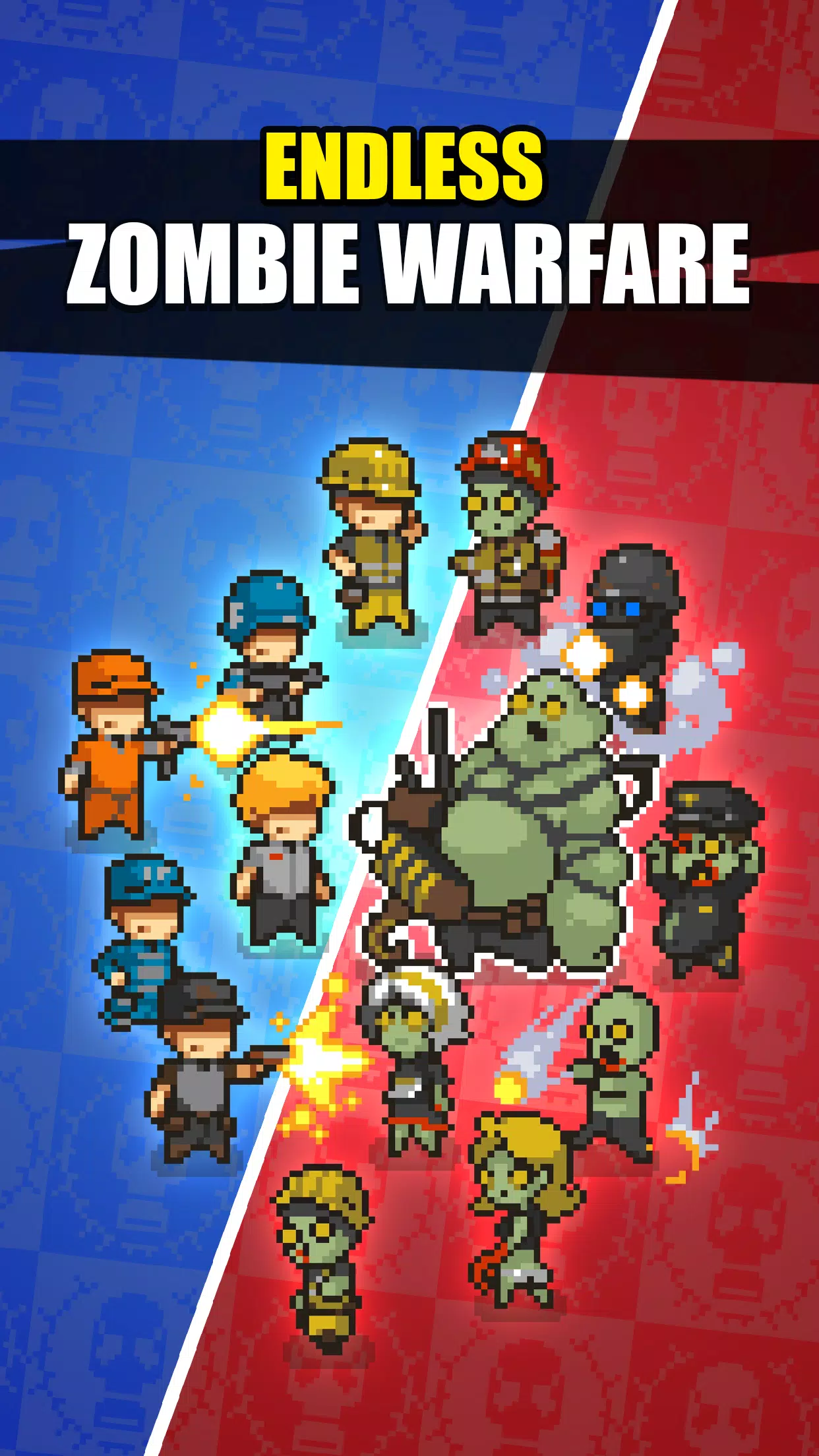
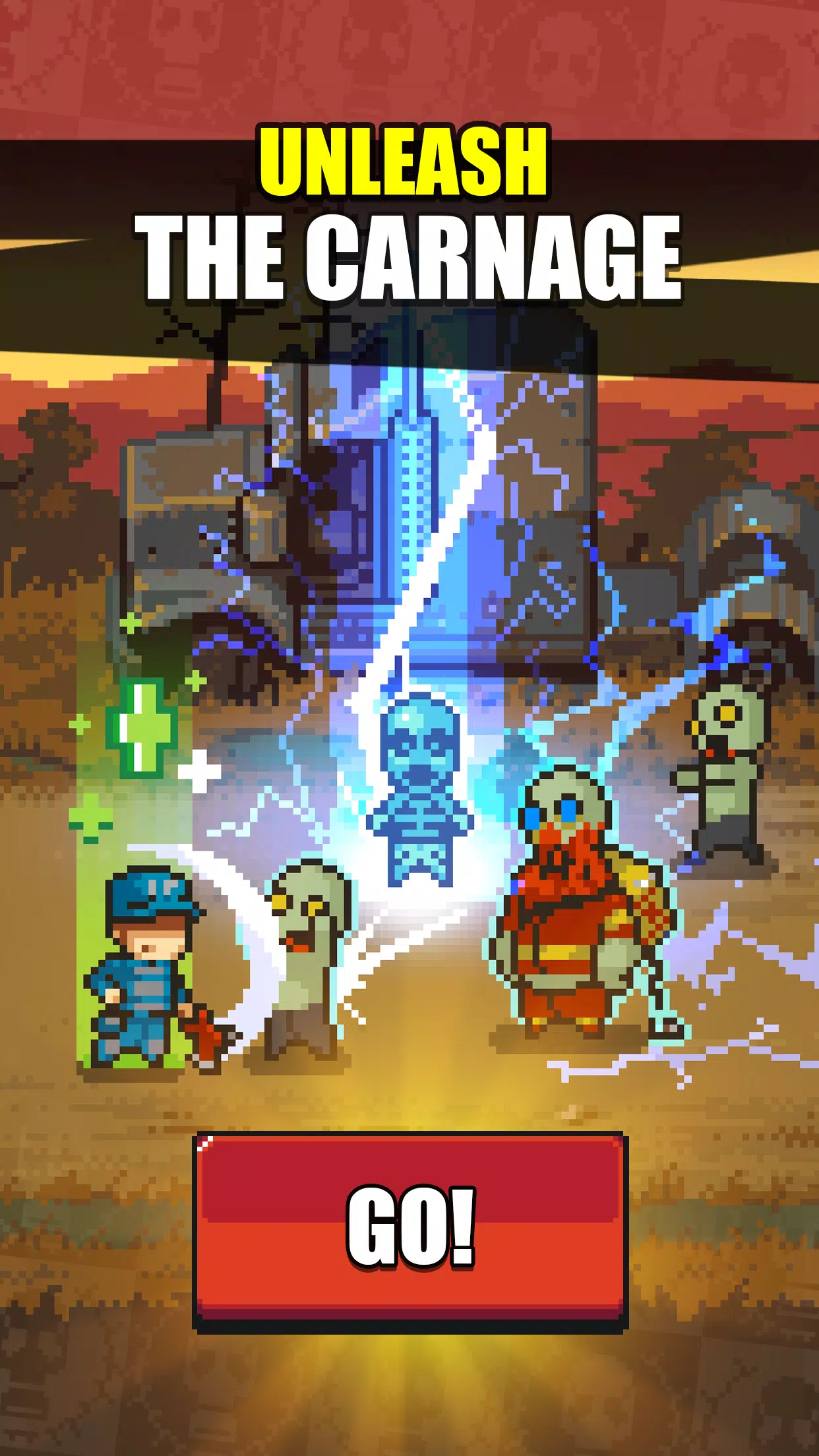
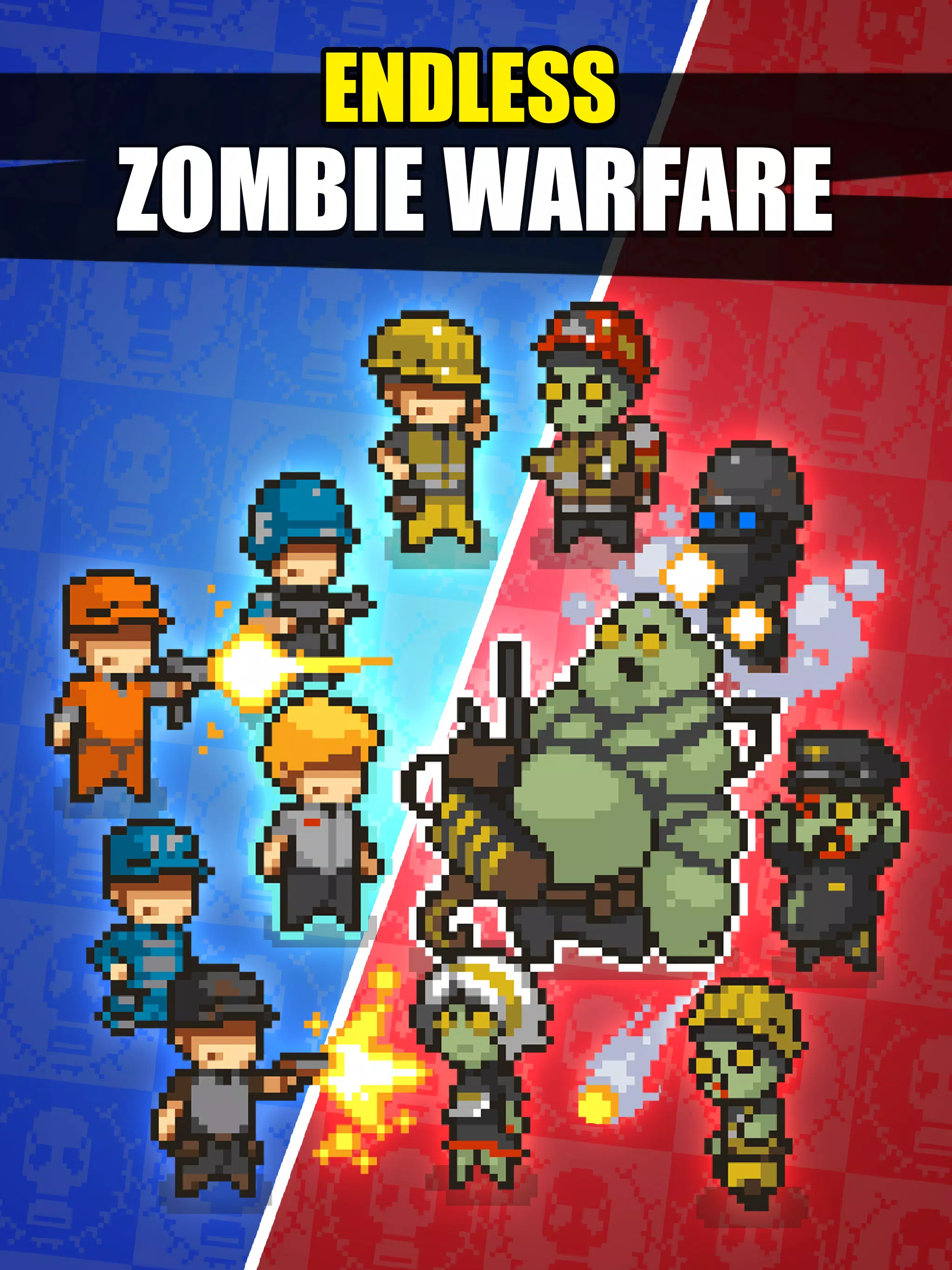
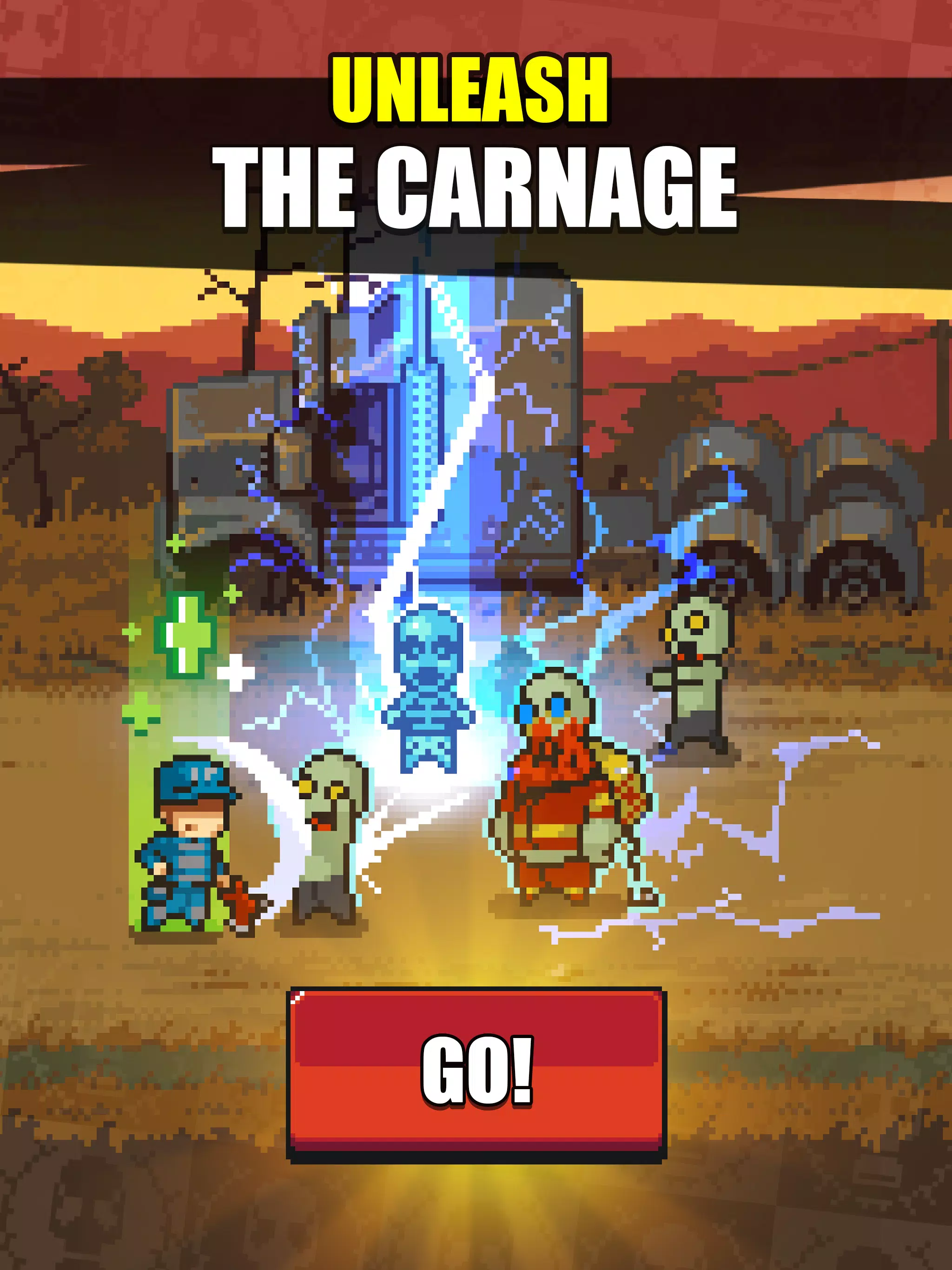
The pixel-art presentation keeps on-screen action readable even when large zombie waves appear, using color and animation cues to communicate threats, status effects, and interactive objects. Levels are built as a series of interconnected encounters across highways, towns, and encampments, with each mission offering a mix of scripted beats and randomized elements to maintain variety. Environmental storytelling—abandoned vehicles, makeshift camps, and notes left behind—adds narrative texture to exploration segments.
Customization and replay value
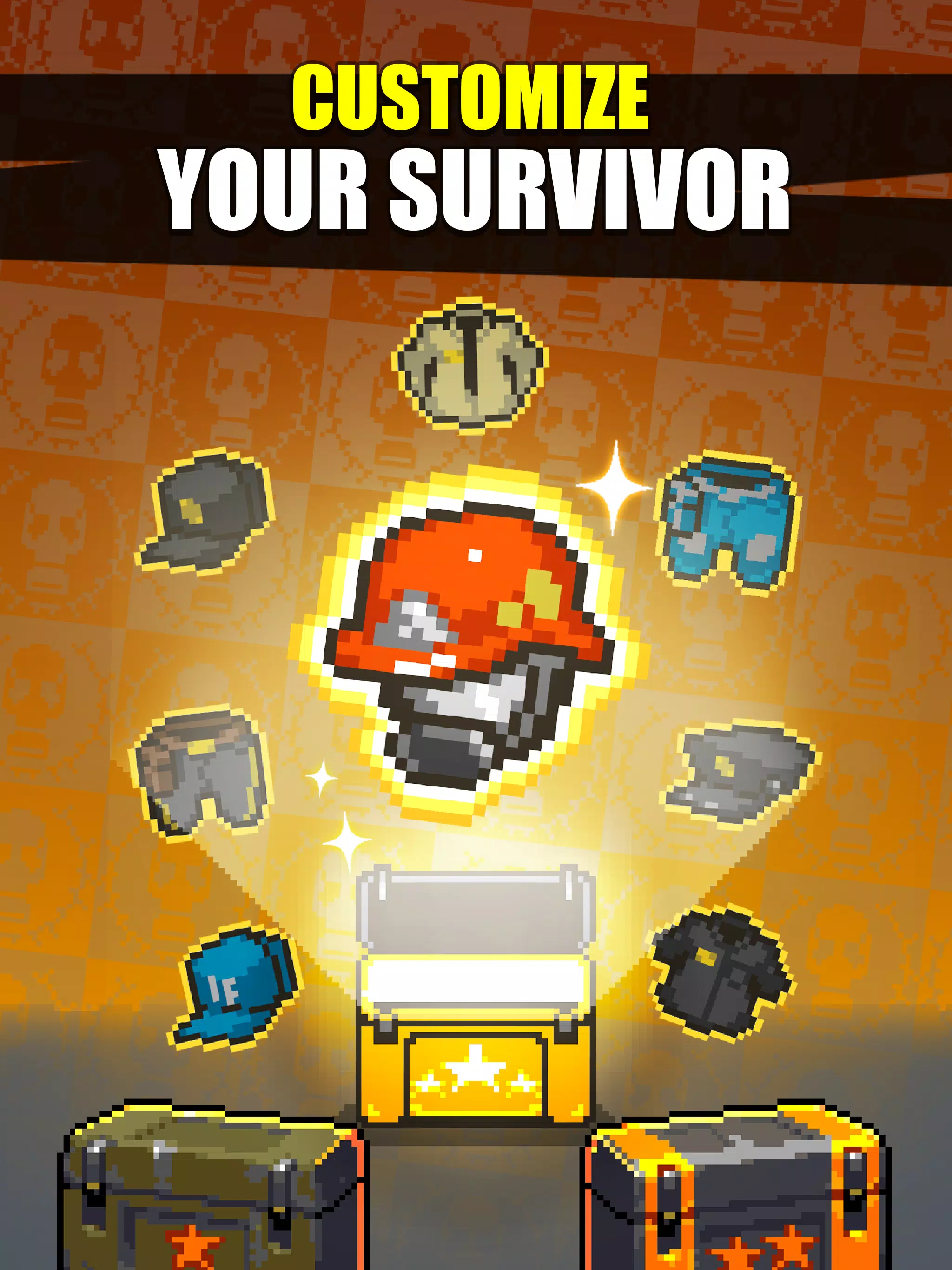
Customization focuses on party composition, equipment loadouts, and skill choices rather than cosmetic micro-adjustments. Because choices change relationships and mission availability, replaying with different recruits or moral approaches yields new narrative branches and tactical scenarios. Roguelike elements and procedural mission variance increase replayability by ensuring no two runs feel identical, while persistent upgrades reward continued play.
Difficulty, accessibility, and offline play
The challenge curve ranges from forgiving early missions to punishing late-game encounters, making the game suitable for both methodical tacticians and players who enjoy high-risk runs. Accessibility options include adjustable difficulty and control sensitivity so the game can accommodate a range of playstyles. Dead Ahead: Roadside is designed to be fully playable offline once installed, allowing progress and meta‑level unlocks to continue without a constant network connection.
User experience and audience
Players who appreciate narrative-driven survival and squad tactics will find a satisfying mix of storytelling and strategy. The blend of tactical combat, meaningful choices, and long-term progression makes Dead Ahead: Roadside appealing for repeat sessions and extended campaigns alike. With clear controls, readable visuals, and layered mechanics, the game balances depth and approachability for a broad mobile audience.
Market reception has built a substantial player base, and ongoing updates focus on balancing progression, expanding encounter variety, and refining user interface elements to improve clarity and reduce frustration for new players.
Show More