Beat Cop
Version:1.0.1
Published:2026-06-25
Introduction
Beat Cop places you in the worn shoes of Jack Kelly, a disgraced detective framed for murder, introducing a compact and character-driven detective experience that balances daily police routines with a branching investigation; the opening chapters are free to play and an in-app purchase unlocks the rest of the story. This mobile edition of Beat Cop emphasizes narrative choices over nonstop action, asking you to patrol a gritty, 1980s Brooklyn and make decisions that reshape your reputation, relationships and the neighborhood itself. The tone leans into noir sensibilities, with readable writing and short play sessions that suit touch devices and on-the-go gaming.
Gameplay mechanics
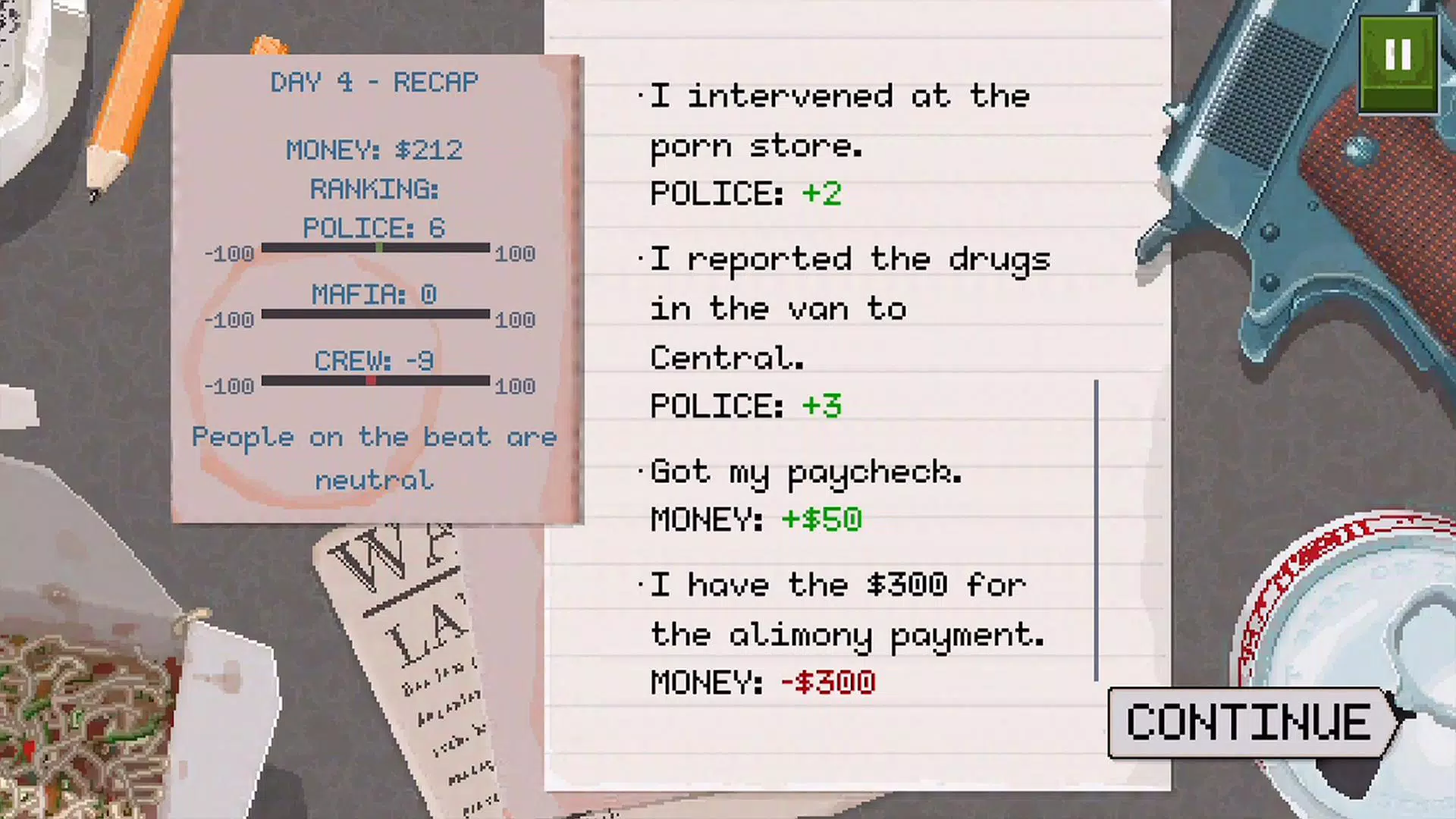
The core gameplay alternates short, repeatable beat duties with longer investigative scenes. Day shifts are composed of patrol routes, issuing tickets, de-escalating confrontations and talking to recurring NPCs, while off-peak investigation sequences let you follow leads, search locations for evidence and talk suspects into cooperating. A simple resource economy—money, reputation and favors—feeds decisions: how you spend earnings, whether you keep or return found items, and which contacts you cultivate affect what tools and information become available. Combat appears as brief, punch-driven brawls that punctuate the narrative rather than dominate it, keeping the focus on choices and consequence.
Controls and interface
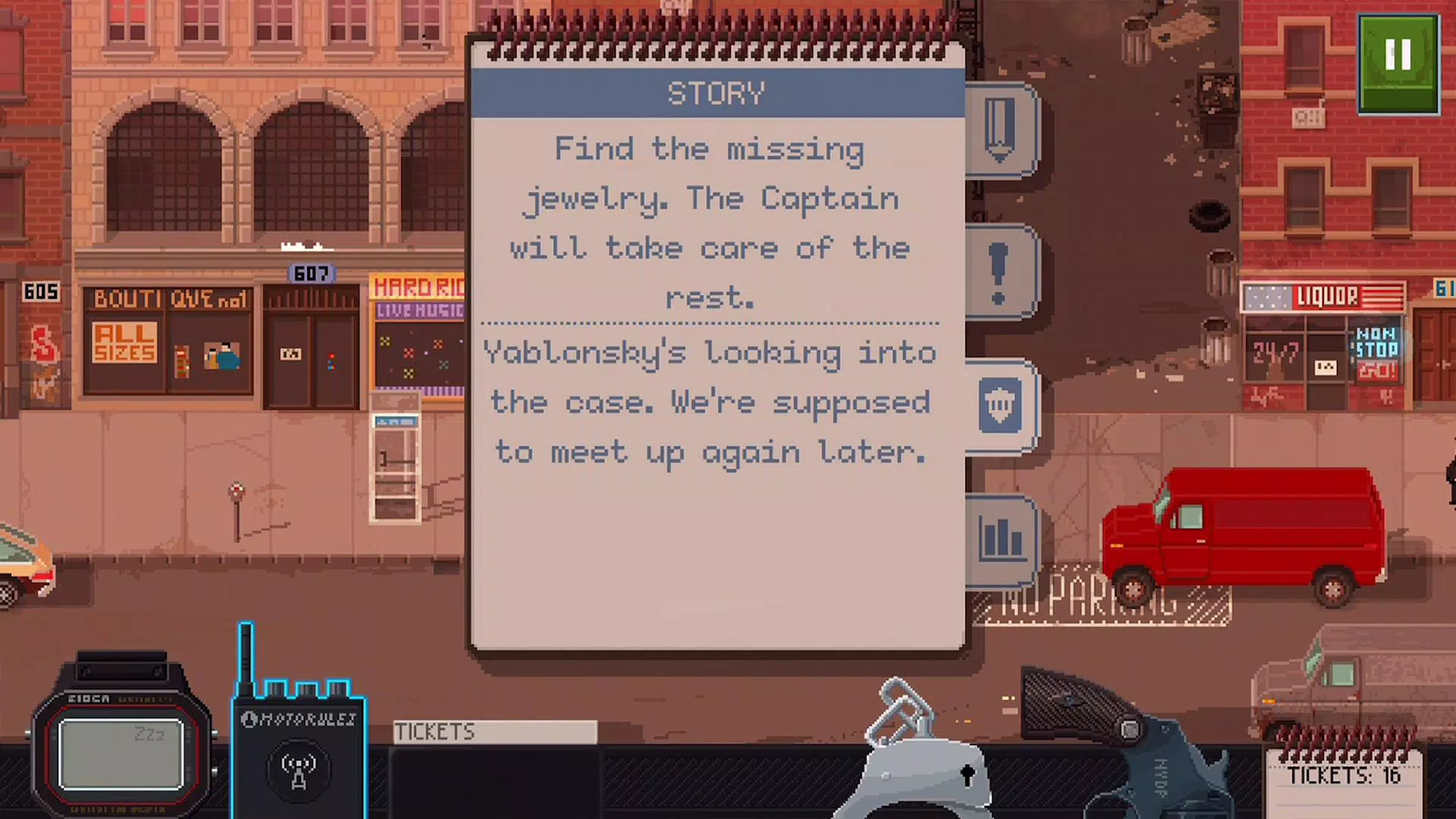
Designed for touch screens, the interface keeps actions clear and context-sensitive so you can focus on the story. Dialogues use short, choice-driven prompts that convey tone and intent rather than sprawling menus; contextual buttons only appear when relevant, reducing clutter. A compact map and shift indicators help you track priorities during a workday, and evidence or inventory panels let you review discovered items and notes before making decisions. The control scheme favors accessibility: simple taps to move and interact, and smooth swipes for navigation make the learning curve shallow while preserving depth in player decisions.
Progression and challenge
Progression is framed as successive days and chapters that unlock new neighborhoods and scenarios as the plot advances. Choices determine who trusts you, which witnesses speak up and which clues surface later in the story. The challenge is narrative-driven: balancing short-term gains—like quick cash or favors—against long-term consequences that alter the investigation and the city's balance of power. Managing scarce resources and timing your inquiries are recurring tactical elements that create tension without relying on complex mechanical skill.
Visual style and level structure
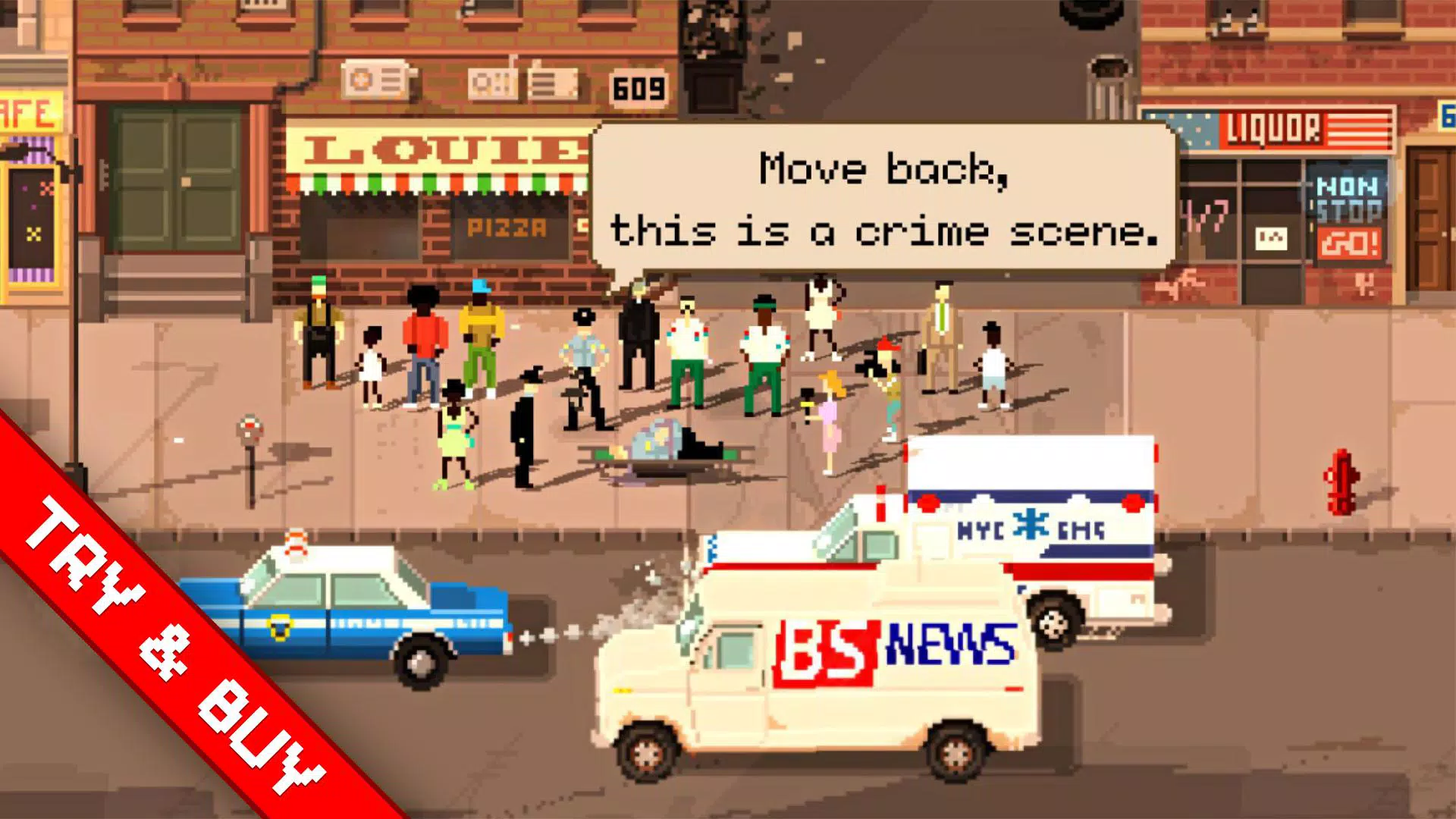
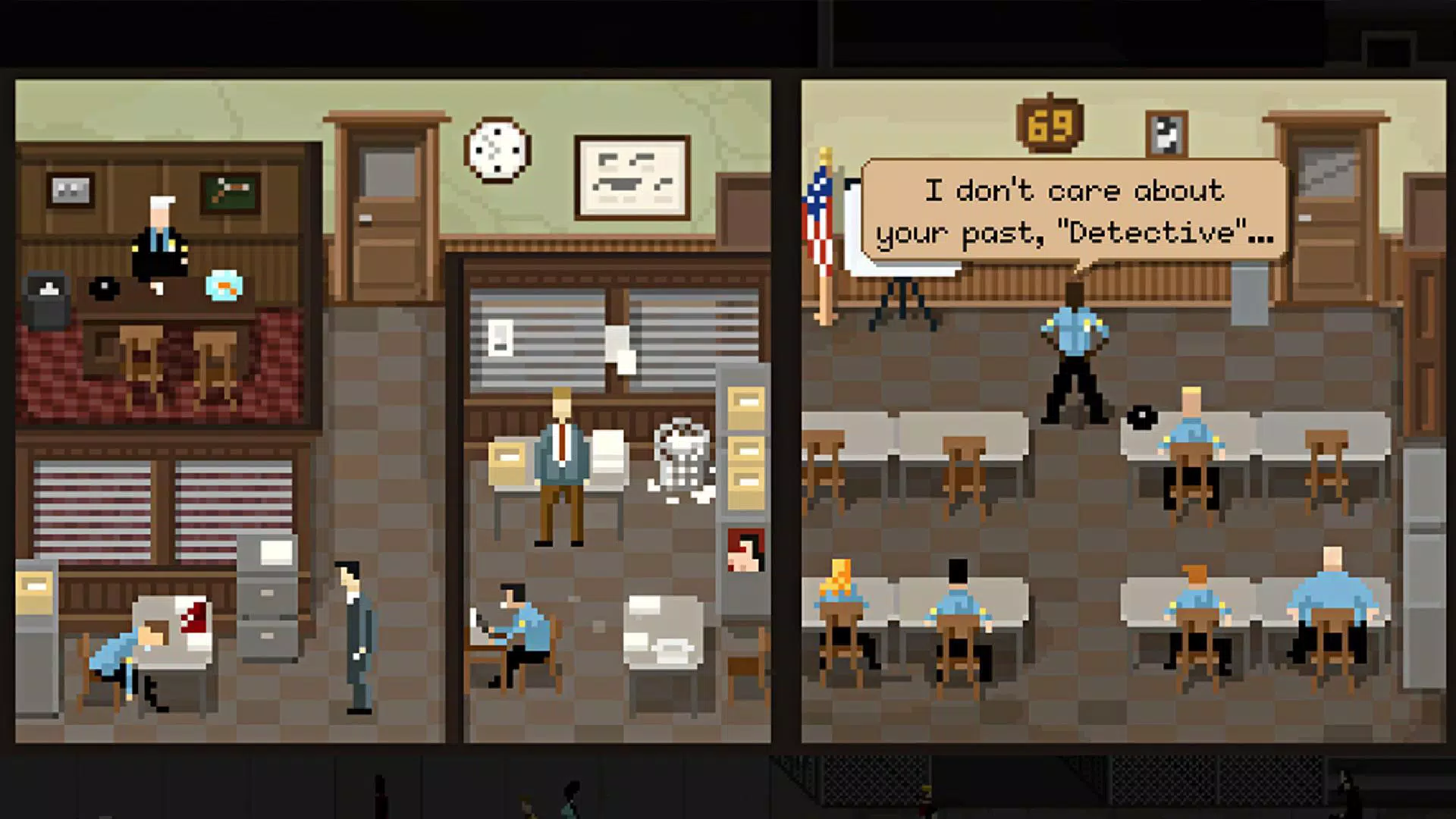
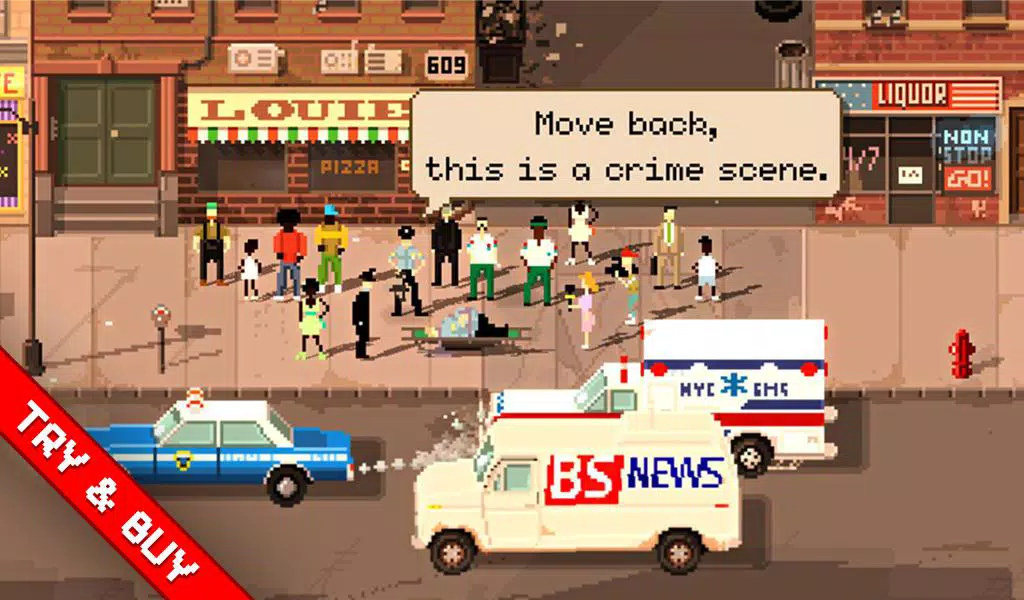
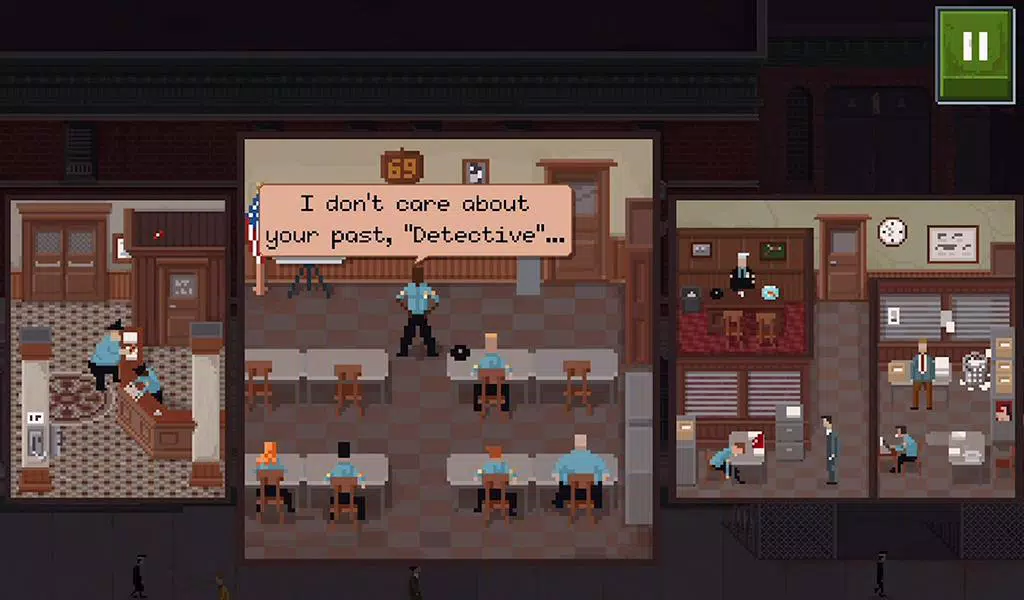
The visual presentation leans into a period-inspired, retro aesthetic that evokes 1980s cop dramas through muted color palettes, textured backgrounds and era-appropriate details. Levels are organized as familiar neighborhood beats with specific venues—corner stores, bars, precinct offices, alleyways and small businesses—each populated with unique characters and scripted events. Shifts cycle through different beats and times of day to create a lived-in atmosphere, and repeat visits to locations often reveal new clues or interactions that reward attention to detail.
Customization and player agency
Customization is largely narrative: you shape Jack Kelly’s approach to policing through choices that shift his reputation and relationships. You can pursue a hardline stance, show sympathy to community members, accept or refuse bribes, and prioritize different leads; these stances unlock alternate interactions and story branches. Small, everyday decisions accumulate and produce meaningful divergence in how characters respond and which endings become accessible, giving you a sense of ownership over Jack’s moral trajectory.
Replay value
Multiple endings, branching investigation paths and varied approaches to routine encounters give the game strong replayability. The structure encourages replaying with different strategies—focusing on neglected leads, cultivating different factions, or testing how a more corrupt or community-minded approach changes outcomes. The combination of short daily tasks and longer plot arcs makes it easy to explore alternative playthroughs without restarting a long campaign, which suits players who enjoy methodical decision-making.
User experience, accessibility and offline play
The writing emphasizes clarity, personality and readable dialogue, while the UI is tuned for mobile screens with helpful tooltips and straightforward prompts. Menus and indicators reduce friction during repeated sessions and a tutorial phase introduces core mechanics in bite-sized scenes. As a single-player experience, Beat Cop is playable offline after download, so you can continue the investigation without a constant connection. Accessibility features and clear text presentation make the game approachable for players who prefer story and choice over fast reflexes.
Purchase and content notes
The opening chapters are available at no cost so you can sample the tone, mechanics and characters before deciding to unlock the full experience via an in-app purchase. Fans of detective fiction, retro atmospheres and choice-driven gameplay will find Beat Cop delivers a focused single-player story that rewards careful reading of clues and thoughtful responses to the people you meet on the beat.
Show More