Zombie Road
Version:1.0.2
Published:2026-07-05
Introduction
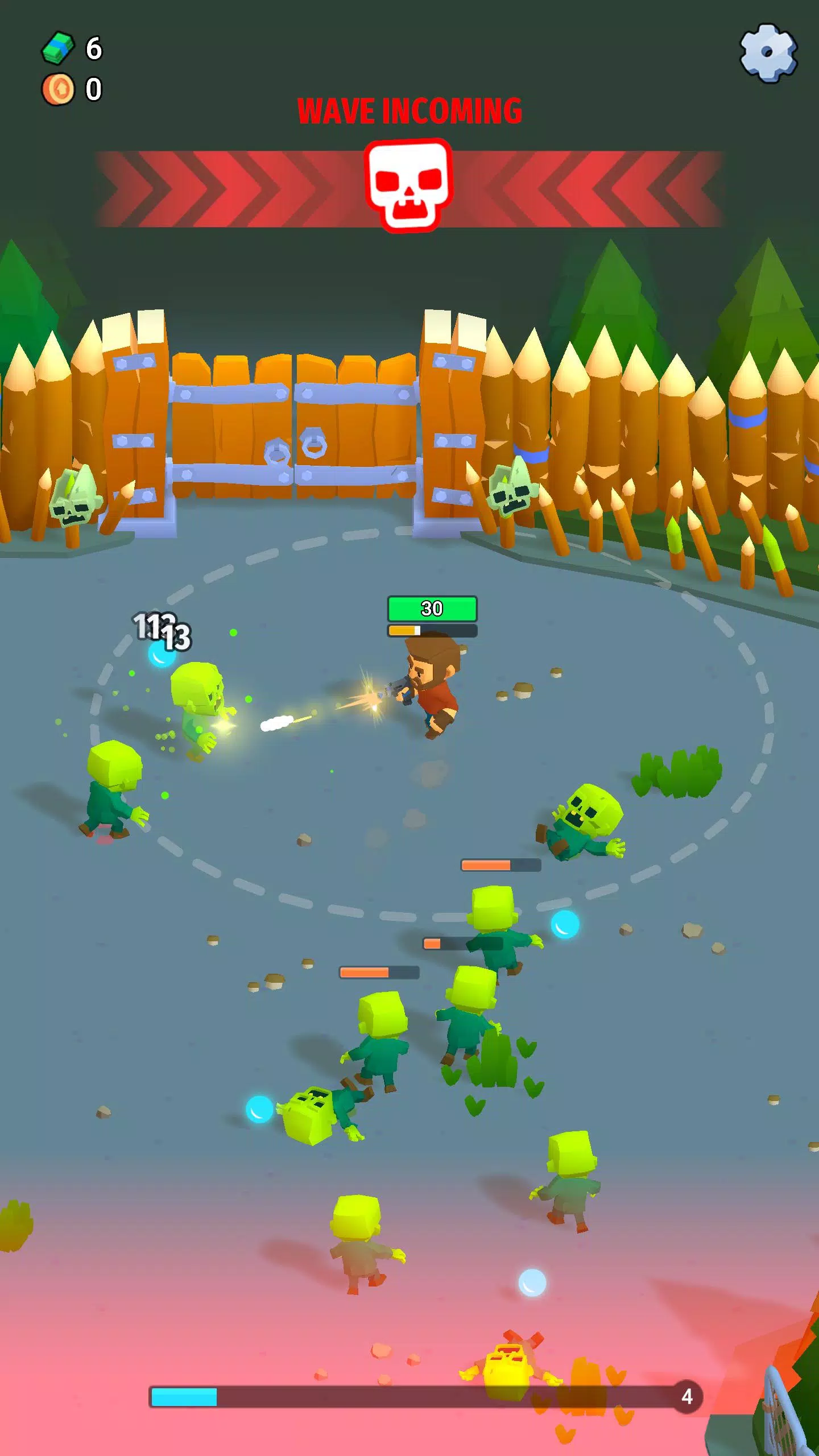
Zombie Road drops players into a frantic survival scenario where your car is wrecked and a horde of zombies is closing in. This compact roguelite challenges you to scavenge parts, repair a battered vehicle, and push toward shelter while managing limited resources and upgrading weapons and abilities. The first runs are tense and fast, but repeated play reveals systems of progression and tactical choices that reward careful planning as well as quick reflexes. Whether you approach the game for short sessions or longer, focused runs, Zombie Road mixes escape-focused objectives with emergent combat situations that keep each attempt feeling fresh.
Key Features
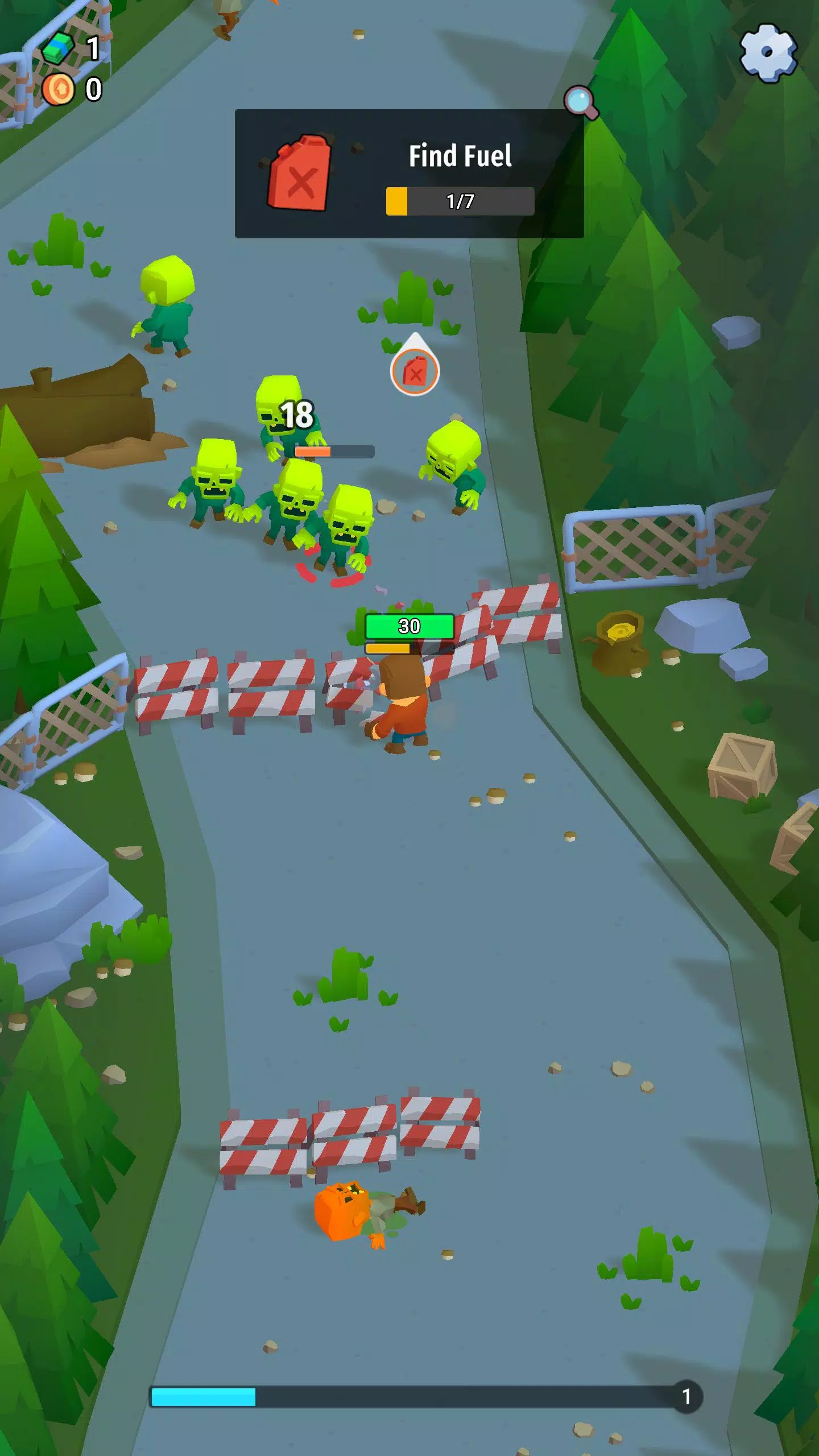
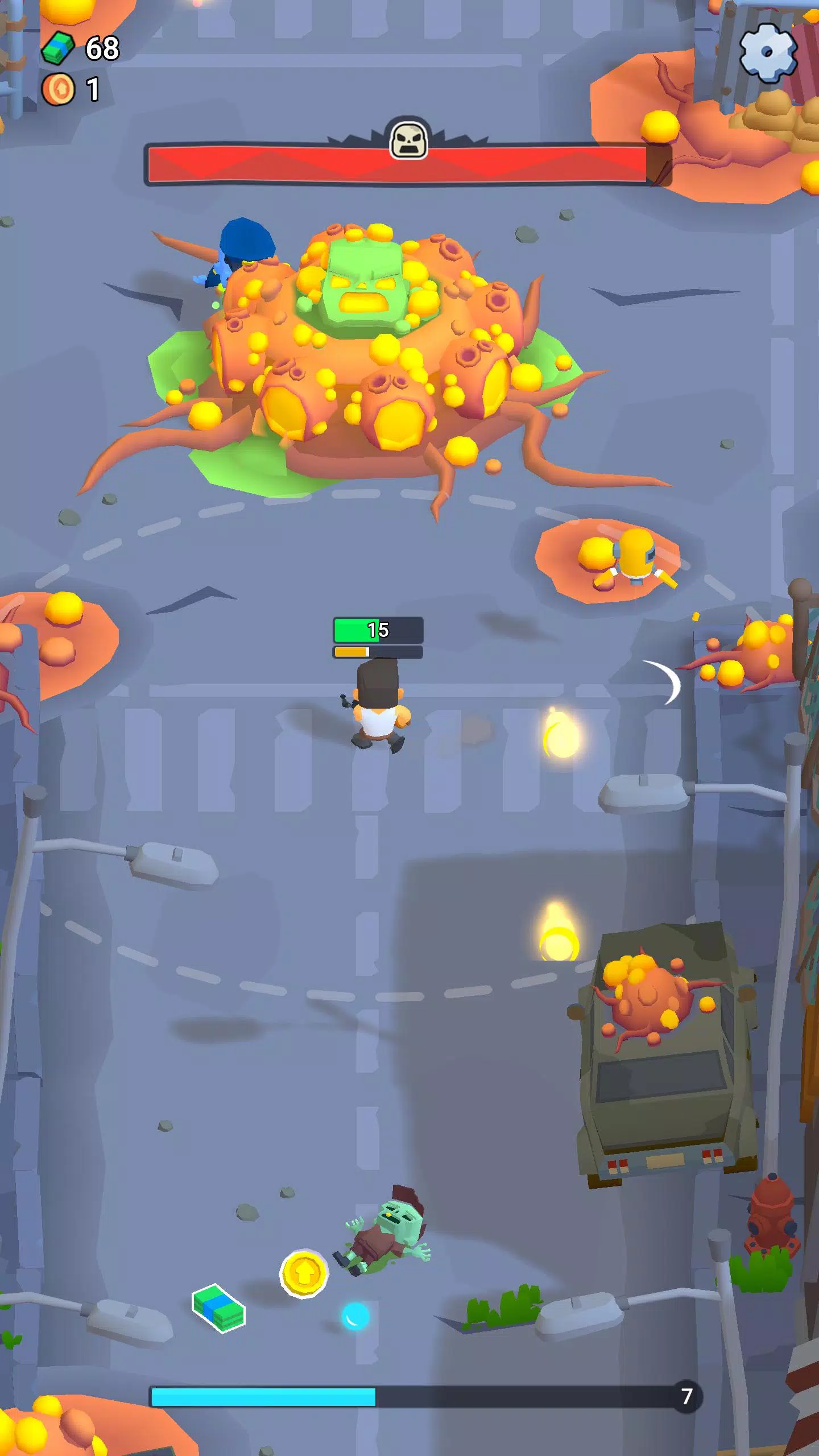
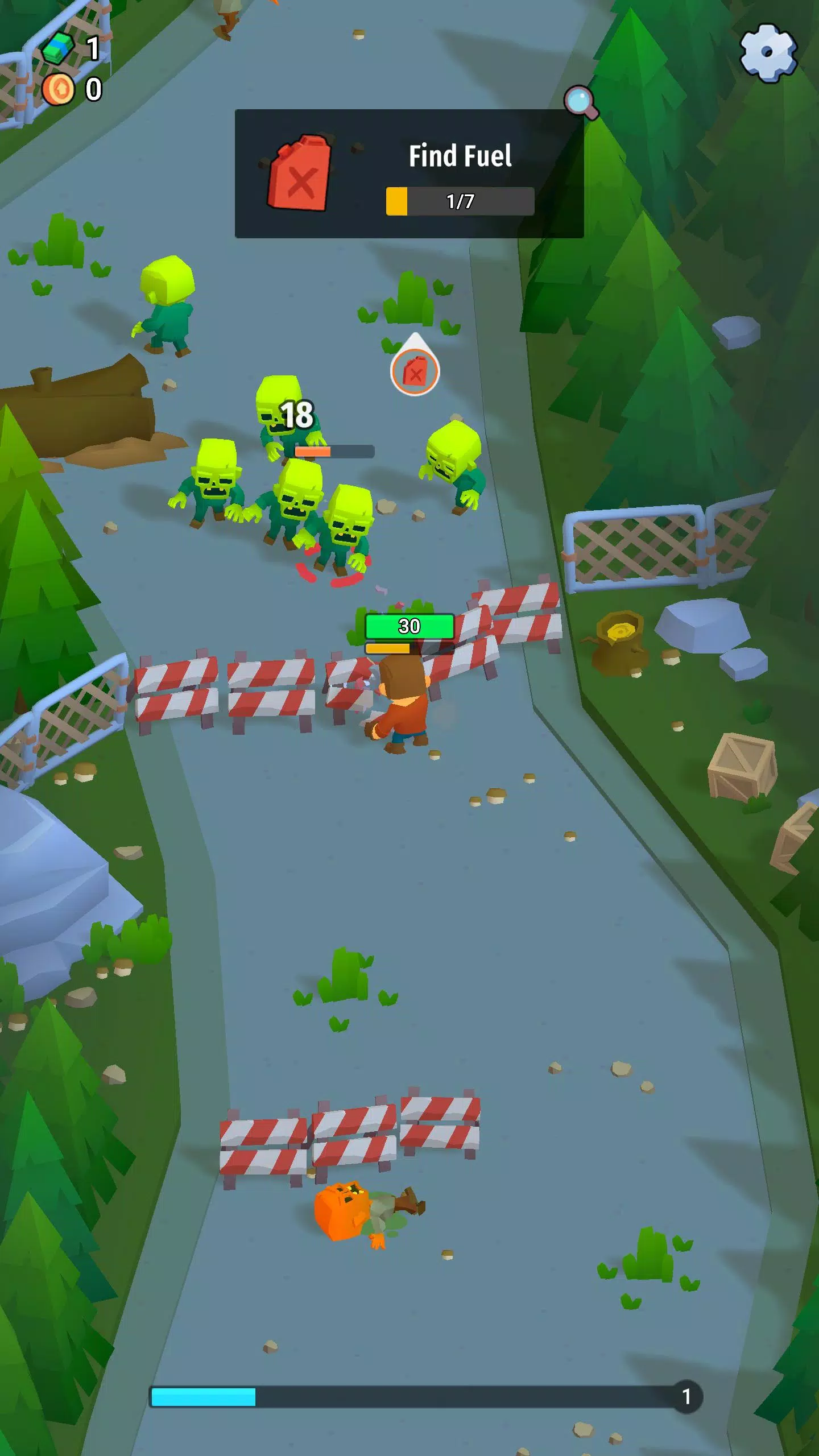
Zombie Road pairs high-intensity combat against large enemy groups with moments of resource management and vehicle maintenance. You will encounter multiple boss events that act as major milestones in a run, pushing you to choose between quick repairs, looting additional supplies, or upgrading your weapons. The game emphasizes an escape-first progression: collect fuel, spare parts and keys that open routes to shelter while balancing the increasing threat of swarms. Encounters are short and replayable, encouraging experimentation with builds and loadouts without long-term penalties beyond the roguelite restart loop.
Gameplay Mechanics
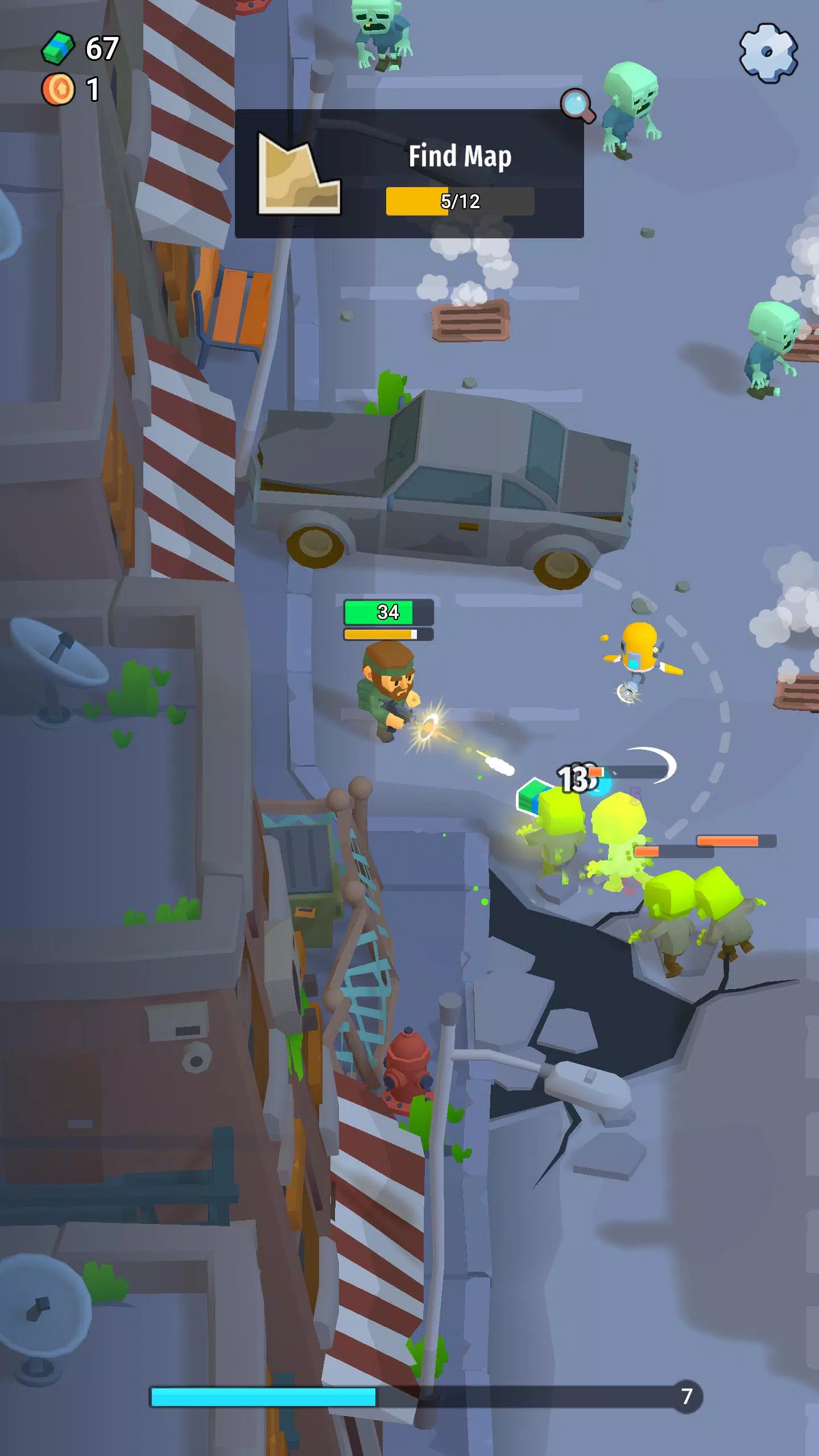
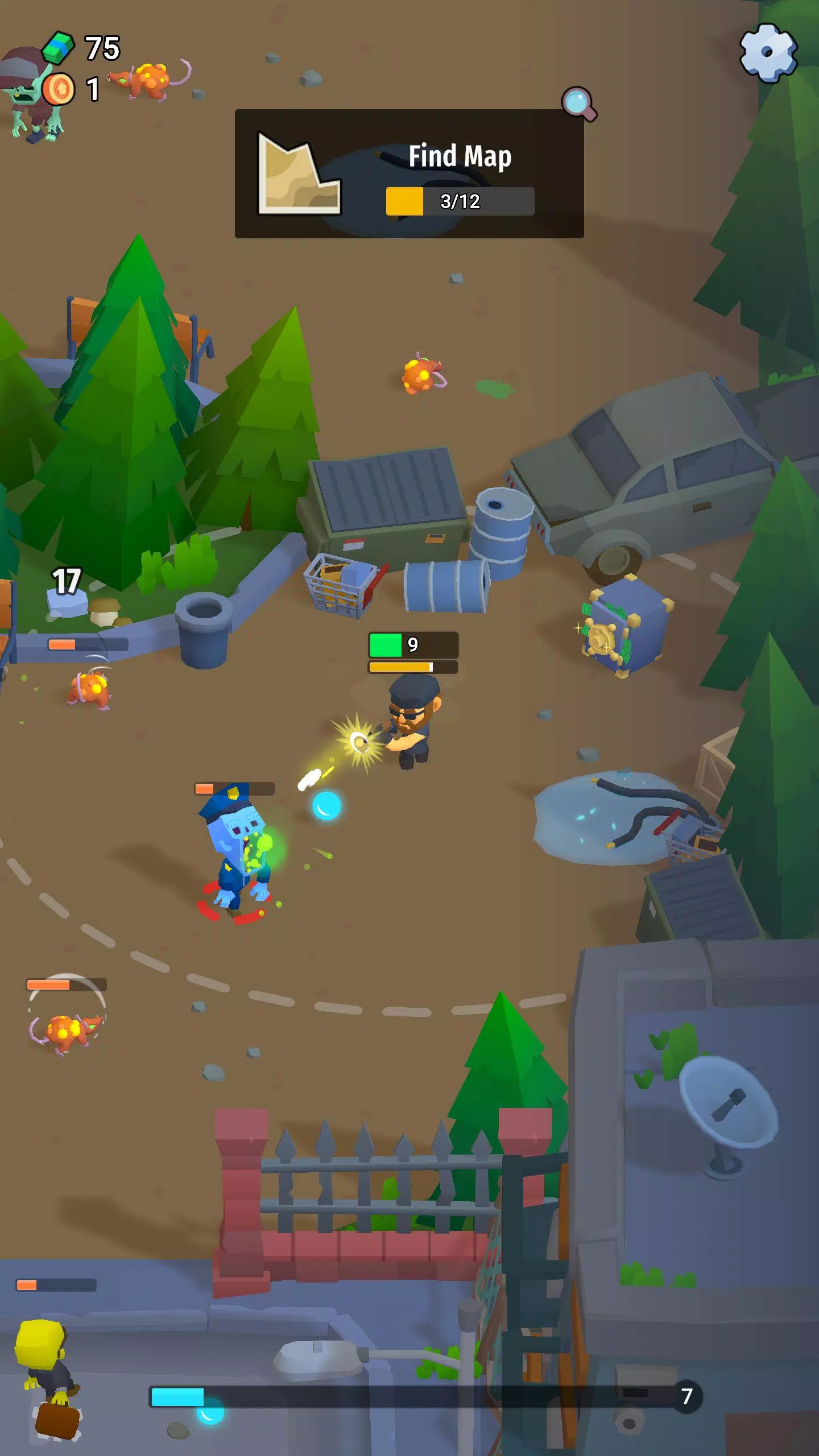
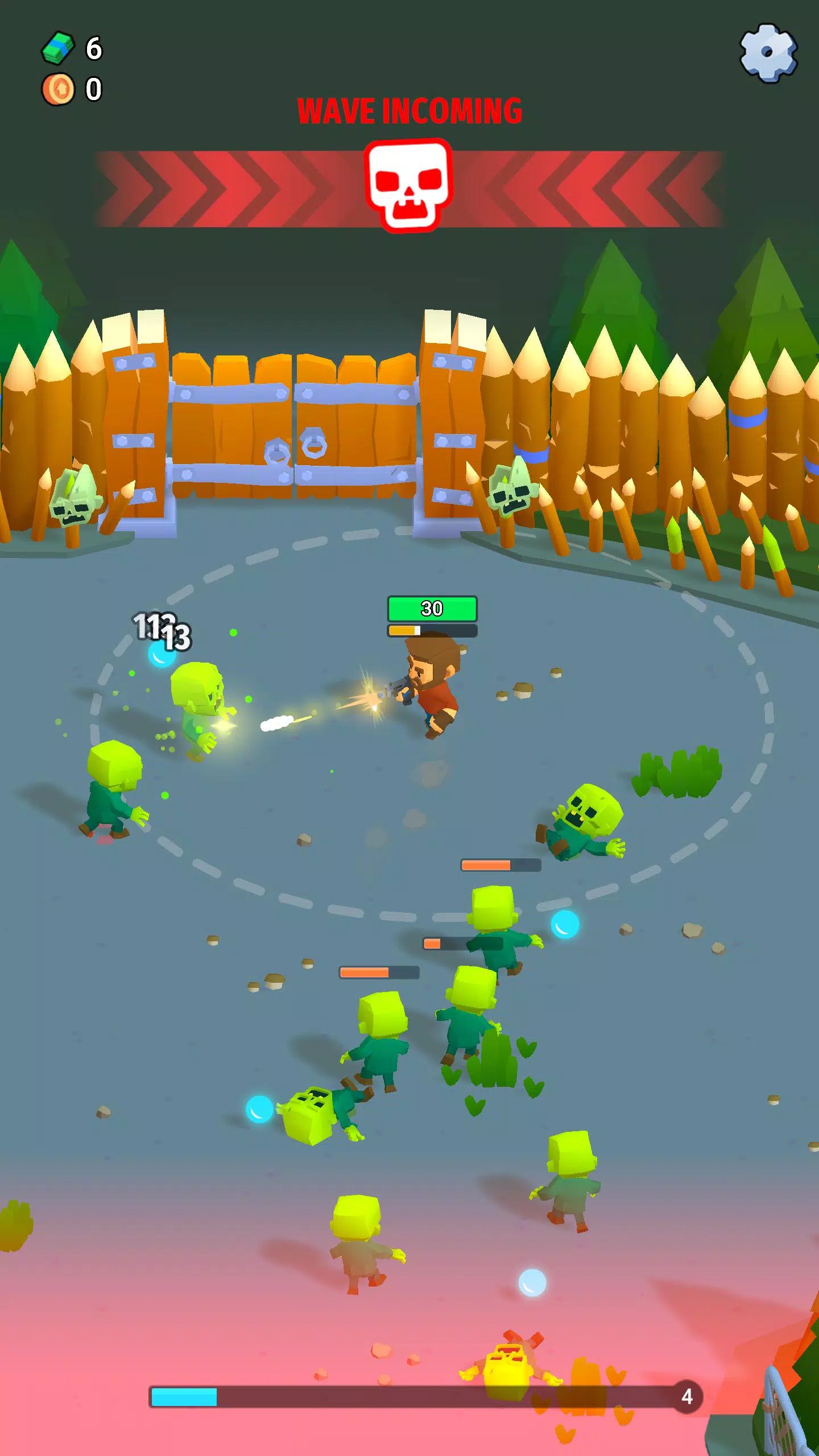
The core loop revolves around short, self-contained runs where you explore segments of a map, fight through waves of enemies and return to your vehicle to patch it up or improve its capabilities. Combat combines ranged and close encounters with scarce ammunition and temporary power-ups; positioning and timing are important when hordes swarm from multiple directions. Repair mechanics require prioritizing which modules to fix first — engine, chassis or weapon mounts — and scavenged materials are always in limited supply, which forces trade-offs between immediate survival and long-term upgrade potential. Boss fights introduce specific patterns and high-reward drops that can change the course of a run.
Controls & Accessibility
The game is designed for touchscreen play with intuitive on-screen controls for movement and aiming, alongside simple gestures for repair and interaction prompts. Control sensitivity and button layouts are adjustable so players can tailor the interface to their device and hand preference. Visual cues and audio feedback help indicate incoming threats, low resources, and when repairs are critical. Difficulty options are presented through gameplay modifiers rather than menus, letting players choose safer or more aggressive runs depending on how they like to play.
Progression and Replay Value
Progress in Zombie Road is built around repeated attempts that unlock permanent and temporary upgrades. Salvaged materials and special components gathered during runs can be invested in persistent improvements that slightly shift future attempts, while individual runs reward temporary boosts and weapons that disappear when a run ends. This balance preserves the roguelite risk-and-reward dynamic: a well-timed escape yields lasting benefits, but every restart encourages new strategies. The game’s structure rewards players who experiment with different skill combinations and vehicle configurations to adapt to escalating threats.
Visual Style and Level Structure
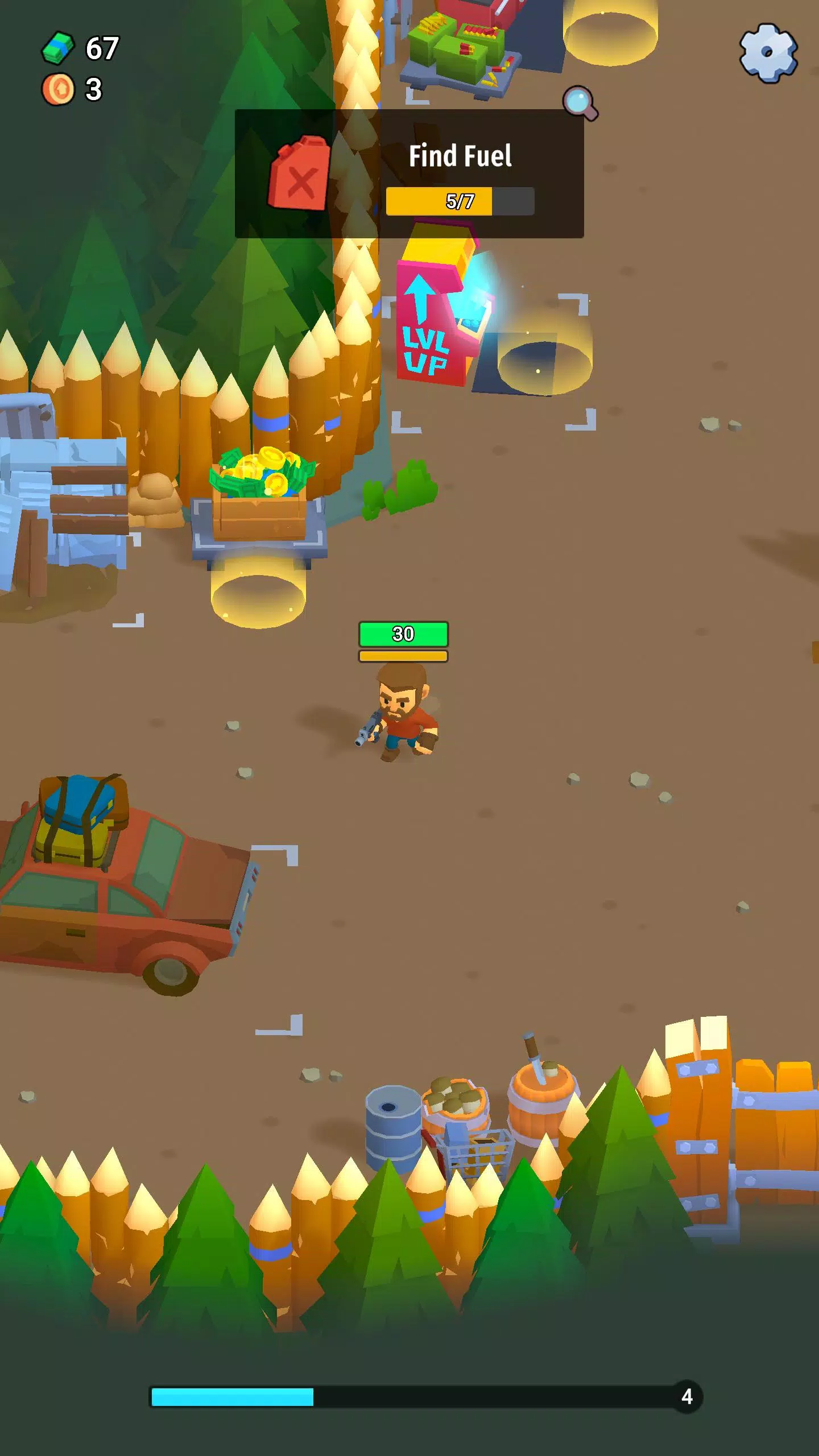
The visual presentation favors clear, readable layouts and distinct enemy silhouettes so fast decisions remain fair and informed. Levels are assembled from modular segments that mix open road stretches with tightened choke points, abandoned towns and improvised barricades. These variations create tactical shifts within a single run, forcing you to change how you manage your vehicle position and resources as the environment and enemy density change. Lighting and particle effects emphasize danger zones and highlight interactive objects such as repair kits or fuel caches.
Customization and Upgrades
Customization focuses on practical choices rather than cosmetic vanity. You can configure weapon loadouts, install improvements to engine performance or armor, and prioritize skill choices that match your playstyle, such as survivability, damage output or resource efficiency. Each upgrade path has trade-offs that encourage meaningful decisions during scarce-resource runs, and the game surfaces clear information about expected benefits so choices remain strategic rather than guesswork.
Challenge Systems and Player Experience
The difficulty curve is driven by enemy variety, increasing horde sizes, and special boss mechanics that require adapting tactics. For players who prefer calmer play, optional run modifiers can tone down swarm frequency, while challenge-minded players can seek higher-stakes runs for richer rewards. The interface aims to reduce friction between runs with short load times and direct entry back into gameplay, which keeps the focus on learning and improving rather than repeating menus.
Offline Play and Performance
Zombie Road is optimized to run smoothly on a range of devices and does not depend on persistent online features for its core single-player experience. Runs are self-contained and can be enjoyed in short sessions, which makes the game suitable for offline play and for users who want to jump in and out without a continuous connection. Performance settings allow players to adjust graphical detail to maintain consistent frame rates while preserving important visual cues for gameplay.
Show More