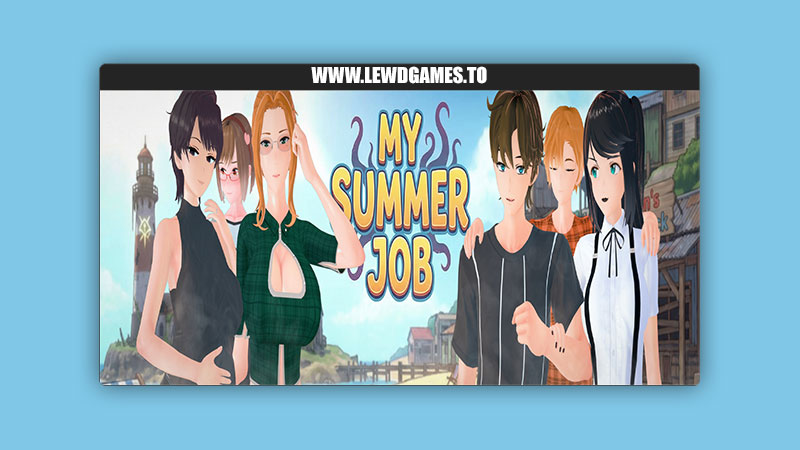
My Summer Job
Version:0.3
Published:2026-07-19
Introduction
My Summer Job drops players into a slow, character-driven summer in the village of Sleepy Fields where you arrive to spend a season reconnecting with friends Leo and Alice, earn money for future plans, and step away from city routines. The game blends light management systems with narrative choices and quiet exploration: accept seasonal shifts, build relationships through everyday conversations, and react to unfolding events after a mysterious HPL virus begins to affect the region. Presented as a relaxed single-player experience, My Summer Job emphasizes pacing and atmosphere over fast action, and the developer refines focus and character beats based on community feedback.
Key Features
The core appeal of My Summer Job is its mix of dialogue-driven scenes and accessible management mechanics. Short work shifts are designed as bite-sized encounters that combine simple time allocation and decision-making. Branching conversations take place at different times of day and respond to recent choices, producing varied interactions rather than a single scripted path. Environmental events tied to the HPL storyline disrupt routines in meaningful ways—altering job availability, opening new opportunities, or presenting moral decisions that affect relationships and schedules. A recommended soundtrack and context-sensitive audio cues help establish Sleepy Fields’ mood without requiring complex setup.
Gameplay and Controls
Gameplay follows a day-by-day rhythm: pick up shifts, balance work and social activities, and use earned income to support your in-game goals. Controls are built for touch devices—tap to interact with objects and people, use straightforward menus to accept or decline shifts, and follow concise prompts for timed activities. Jobs are short, intuitive mini-sessions rather than long-form simulations, so play can be completed in short bursts or extended sessions. The interface prioritizes readable text, clear icons, and minimal menu depth so players can focus on choices and story rather than complex inputs.
Progression and Challenge Systems
Progression in My Summer Job revolves around balancing income, relationships, and personal objectives across the season. Jobs vary in pay, duration, and scheduling constraints; selecting which shifts to take shapes both your budget and the time available for social interaction. Relationship growth is driven by repeated interactions, appropriate responses during key scenes, and occasional gifts or favors that open new dialogue options. Challenges emerge from competing priorities—work commitments versus meaningful conversations—and from emergent events related to the HPL situation that may limit movement, change schedules, or create difficult choices. These systems encourage planning and multiple approaches without demanding reflex-heavy gameplay.
Visual Style and Audio
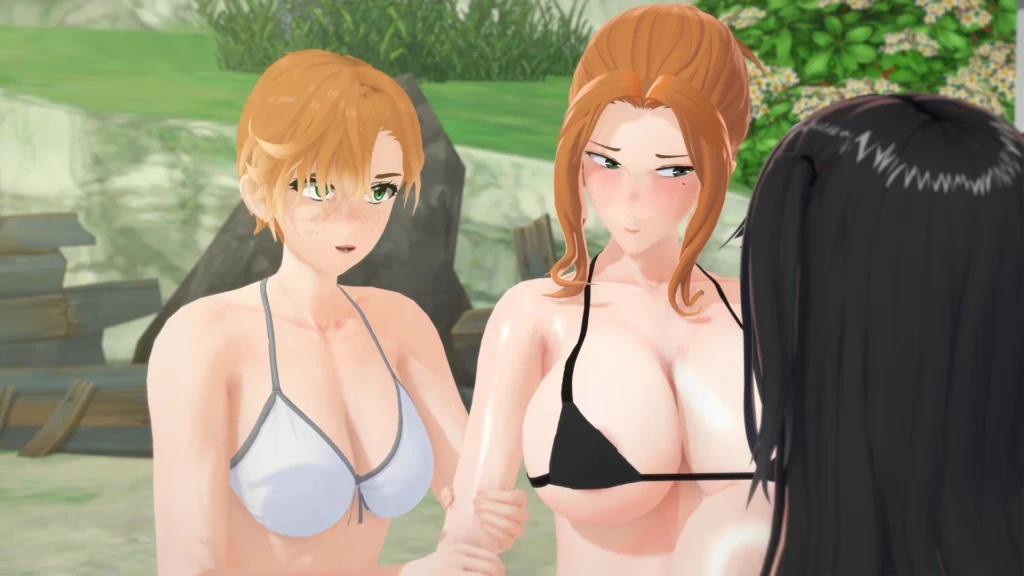
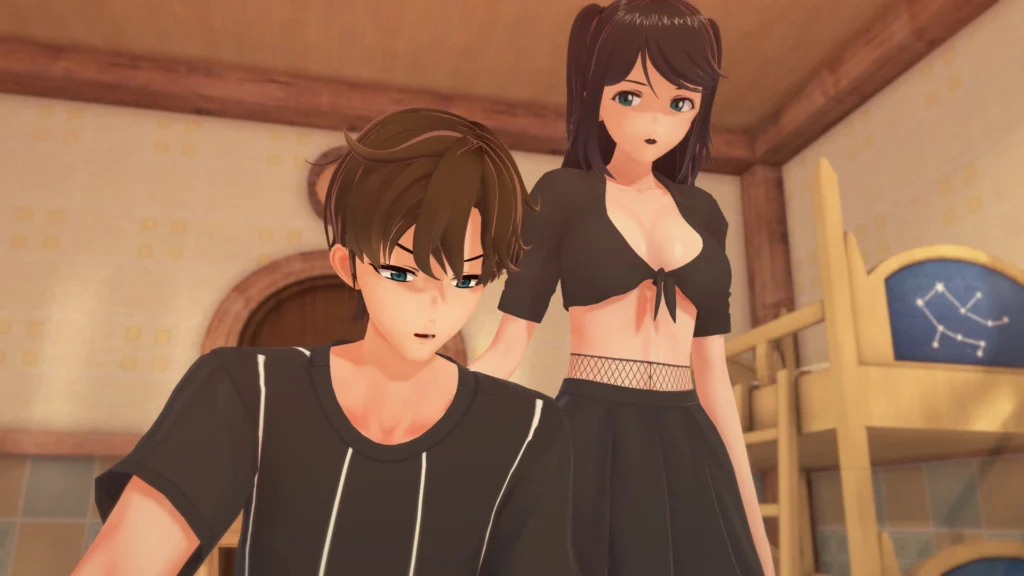
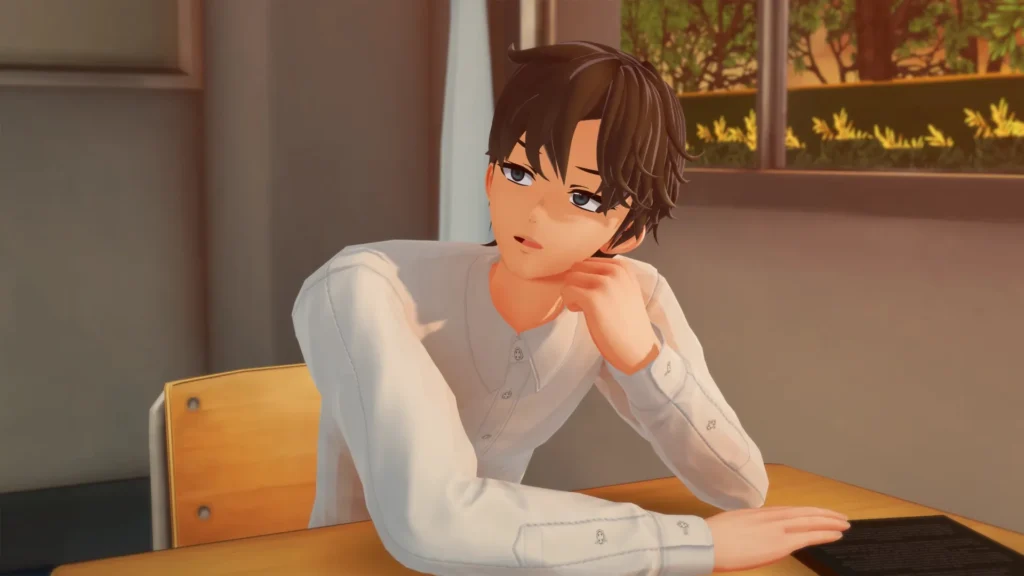
The visual presentation favors a cozy small-town aesthetic that supports leisurely play. Art focuses on clear, readable scenes and expressive character portraits rather than flashy effects, creating an intimate sense of place in Sleepy Fields. Ambient soundscapes, environmental cues, and a gentle musical score reinforce the overall mood and help signal event timing; while sound is recommended for the full experience, options exist for quieter play. Consistent iconography and straightforward visual feedback help players understand daily tasks and relationship states at a glance.
Level Structure, Customization, and Replay Value
Level progression is calendar-based: days and weeks bring recurring job offers, special events, and story milestones that shift depending on player choices. Customization is focused on narrative and scheduling decisions—choosing which jobs to accept, who to spend time with, and what dialogue paths to pursue—rather than deep cosmetic systems. Replay value comes from branching outcomes, varied job mixes, and the way different budgeting and social strategies unlock alternate scenes. Multiple playthroughs reveal additional character angles and story sequences without requiring extensive grinding, encouraging exploration of different priorities and pacing.
User Experience, Accessibility, and Offline Play
User experience emphasizes a short onboarding, clear writing, and predictable pacing to welcome players new to narrative-focused sims. Accessibility options include adjustable text size, robust subtitles for dialogue, and configurable sound levels to accommodate diverse needs. The app is a local, single-player APK designed for offline play after installation; saves are stored on-device so progress continues without an internet connection. Performance targets aim to run smoothly on low-resource phones and tablets, keeping battery and memory usage reasonable for longer sessions.
Development Team and Version Information
My Summer Job was developed by Rose Games, a small independent studio focused on character-rich experiences. The team actively collects player feedback to fine-tune pacing, relationship arcs, and the balance between management and narrative content. The current public build is version 0.3a, an early-stage release that may receive updates and balance adjustments; players are encouraged to report bugs and suggest which characters and scenes resonate most as the developer iterates on the experience.
Show More