Escaping the Goblins
Version:0.9
Published:2026-07-20
Introduction
Escaping the Goblins drops you into the occupied elven city of Sylvara, a tense single-player narrative where three heroines—Lea, Valya and Anneli—must quietly plan an escape and resist the dangers of life under goblin control. Escaping the Goblins combines day-by-day decision making with stealth routines and character-driven storytelling, inviting players to balance training, information-gathering, theft and social interaction while managing risks tied to detection and the city’s corrosive influences.
Key features
The game’s structure centers on discrete days and routines: each in-game day you assign tasks, choose safe routes, decide where to spend time and which relationships to cultivate. Choices have tangible mechanical consequences—skill gains from training, inventory items found during a theft, and social bonds that open new dialogue options. A resistance or composure mechanic models the characters’ ability to resist hostile influences, and risk meters track how close you are to attracting attention from occupying forces. The branching narrative means scenes and outcomes depend on how you allocate time and resources.
Gameplay mechanics
Decision making is deliberate rather than frantic. Actions consume time and resources, which creates a tension between short-term safety and long-term goals. Stealth segments play out as low-information encounters where scouting and tools matter; choosing to observe a patrol, pocket an important item or cultivate a liaison each carries different probabilities of success. The relationship system is responsive: investing time with NPCs unlocks unique tasks and alternate story paths. Escaping the Goblins emphasizes player agency through layered consequences rather than random chance.
Controls and user experience
The interface is optimized for touch play: tap to select tasks, swipe through dialogue, and long-press on characters or inventory items for more details. Menus keep stats, day logs and quest hints accessible so you can plan future choices without losing narrative flow. Tooltips explain mechanic effects and there are contextual confirmations for risky actions to prevent accidental decisions. The pacing is tuned for casual sessions as well as longer plays, letting you save progress at the end of each day.
Progression and challenge systems
Progression is narrative-driven and mechanical: you advance by completing tasks that raise skills, unlock equipment and reveal secrets about Sylvara’s occupation. A skill progression system rewards specialization—stealth, persuasion or agility approaches open different solutions to problems. Challenge is governed by the city’s patrols, resource scarcity and the pheromone-resistance meter, which affects dialogue and action outcomes when it runs low. Overcoming tougher encounters requires planning, scouting and learning from previous runs.
Visual style and level structure
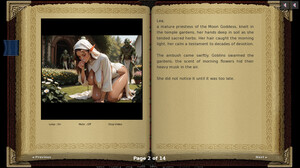
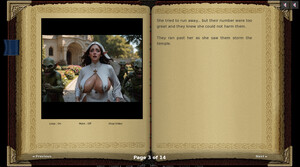
The visual presentation blends hand-painted backgrounds, character portraits and a clear, readable UI to support mood and readability. Levels are organized by district and day: market stalls, council quarters, hidden vaults and back alleys each present distinct tactical considerations and story beats. Lighting and environmental cues hint at patrol patterns and safe windows for action, helping players make informed choices without resorting to guesswork.
Customization and replay value
Character progression includes cosmetic and functional customization that affects storytelling and stealth options: different outfits or tools can change how NPCs react and which areas are accessible. Multiple protagonists with separate strengths create meaningful replayability, and many scenes remain hidden behind specific approaches—rewarding experimentation and multiple playthroughs. Escaping the Goblins encourages exploration of different strategies to discover all narrative branches and secret events.
Accessibility, offline play and options
The game includes adjustable text size, dialogue speed options and simple input modes to accommodate different play styles and accessibility needs. Because it is a single-player experience, you can play fully offline without accounts or online connections, which keeps progression local and respects player privacy. Content warnings are presented before mature scenes so players can make informed decisions about what they encounter.
Version and update notes
Version 0.9 establishes the core premise: Sylvara under occupation and the three protagonists’ effort to survive, gather intelligence and enact an escape while maintaining cover in daily routines. This release focuses on story pacing, the day-by-day task system, relationship mechanics and basic stealth encounters; future updates will refine balance, expand districts and add optional content while preserving the single-player narrative focus. Fans of branching interactive fiction and strategy-minded roleplaying will find Escaping the Goblins rewarding as they explore multiple routes and uncover hidden material through careful planning and repeated play.
Show More