Bubblegum Apartments
Version:0.3.3
Published:2026-07-23
Introduction
Bubblegum Apartments is a mature, narrative-focused simulation that puts you in control of a newly inherited building and the morally complex choices that come with running it. In the opening chapters of Bubblegum Apartments you play as a young man whose financial options are limited after family conflict, and the game centers on ethically ambiguous strategies to restore the property and survive. The writing emphasizes character interaction, consequence-driven storytelling and an atmosphere that asks players to think about both practical and moral trade-offs.
Key Features
Bubblegum Apartments combines branching dialogue, scenario selection and resource management to create a layered experience. The game presents a cast of tenants with distinct personalities, needs and vulnerabilities; your decisions shape relationships and unlock different narrative branches. Situations often take place in private domestic spaces and are framed as choices rather than explicit scenes, keeping the focus on consequences, consent and narrative impact rather than erotic detail.
Gameplay Mechanics
Gameplay merges story branches with light management systems. Players balance income, tenant satisfaction and online reputation—an in-game follower count that represents how certain actions affect public exposure and demand. Mechanically this plays out through decision menus, timed responses and scenario planning: choose who to engage, when to spend resources on repairs or promotions, and which ethical lines you are willing to cross to achieve specific goals. Each choice has ripple effects that appear in later chapters.
Controls and User Experience
The interface is optimized for touch devices with straightforward tap-to-select controls for dialogue and menu navigation, swipe gestures for browsing character profiles and a simple inventory-style screen for property upgrades. Text boxes are readable on mobile screens and dialogue trees are presented in a way that makes consequences of choices clear without revealing outcomes. The pacing is adjustable; players can slow down dialogues or skip previously read text to streamline repeated playthroughs.
Progression and Challenge Systems
Progress is tied to a mixture of narrative milestones and resource thresholds. Completing tenant storylines, renovating rooms and managing exposure levels unlocks new scenarios and catalysts that push the plot forward. Challenge elements include time-sensitive decisions where hesitation changes outcomes, limited funds that require prioritization, and reputation dynamics that cause certain events to appear or vanish depending on earlier choices. Multiple endings reflect the cumulative effects of these systems.
Visual Style and Sound
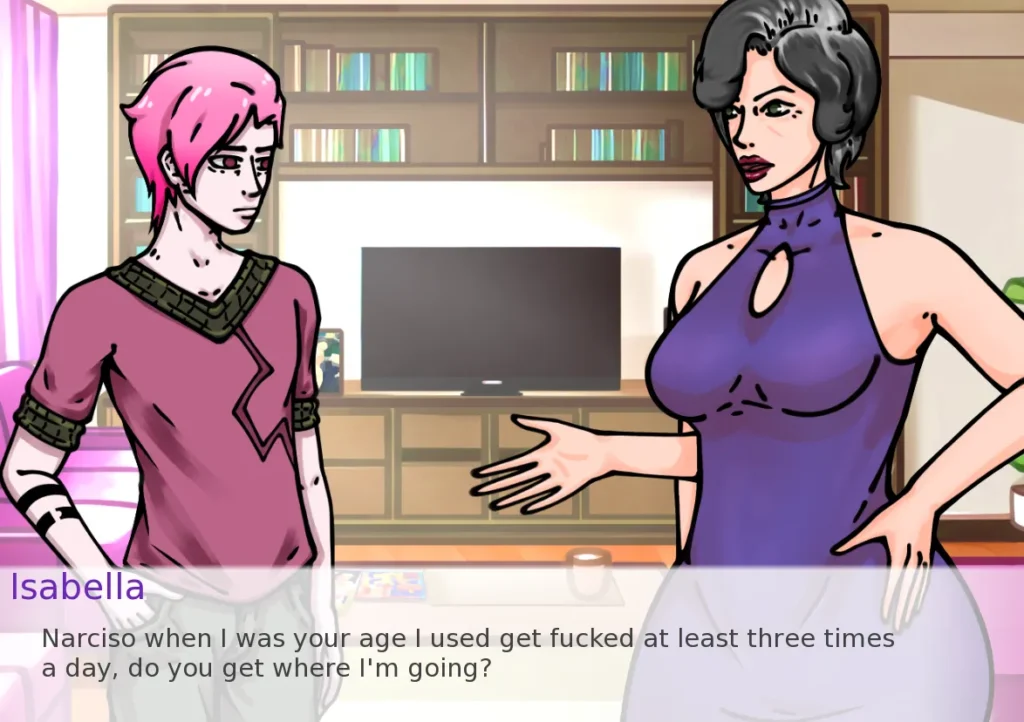
The visual presentation leans on moody, character-driven art with a restrained color palette that supports the game's tense, mature tone. Environments are detailed enough to create atmosphere without glamorizing sensitive topics. Ambient music and contextual sound cues heighten dramatic beats and help communicate shifts in mood during important conversations or confrontations. Art and audio work together to support story immersion rather than spectacle.
Level Structure and Customization
The game is structured in chapters that represent phases of running the building, each containing multiple scenarios and optional side interactions. Players can allocate funds to cosmetic and functional upgrades that alter available choices; for example, renovating a room may change how a tenant reacts or create alternative opportunities in later chapters. These customizations are narrative-relevant and affect both gameplay options and the atmosphere of the apartments.
Replay Value and Moral Exploration
Replayability is a core design goal: branching paths, hidden scenes and several endings encourage multiple approaches. Players interested in exploring consequences can replay with different priorities—focusing on ethical restraint, financial optimization or reputation tactics—to see how the story and character relationships evolve. The game invites reflection on the cost of choices without endorsing exploitative behavior.
Accessibility and Offline Play
Bubblegum Apartments includes adjustable text size, contrast options and a simplified mode that reduces time pressure for players who prefer a more contemplative experience. The game is designed to run offline after installation so you can play without a persistent connection; all progression is stored locally and there are no required online features or multiplayer components.
Developer and Version
Developed by BADevs Games, Bubblegum Apartments is presented as an adult-oriented, story-driven experience with the current release at version 0.3.3. The team continues to refine narrative branches and accessibility features based on player feedback, and updates focus on polishing scenarios, balance and clarity of consequences rather than introducing networked systems.
Show More