Vector Classic
Version:1.4.2
Published:2026-08-04
Introduction
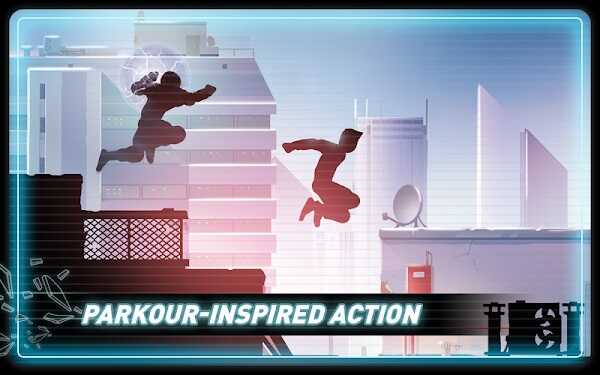
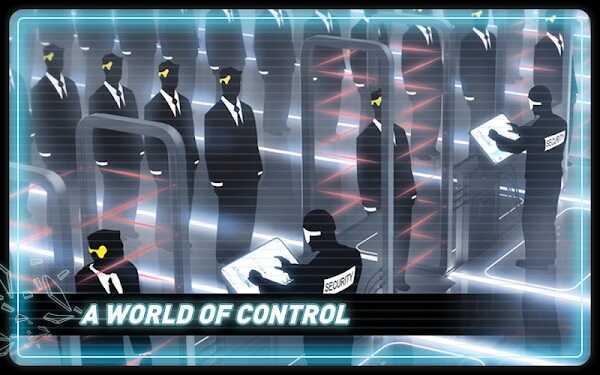
Vector Classic is a parkour-inspired arcade runner that places you in the shoes of a defiant freerunner escaping a totalitarian city; from the first rooftop leap you encounter rhythmic timing challenges, tight vaults, slides and climbs while a persistent pursuer keeps pressure on every move. This single-player experience concentrates on short, cinematic runs across more than 40 handcrafted levels, pairing intuitive, easy-to-learn controls with motion that emphasizes momentum and fluidity. Lifelike animations created with Cascadeur tools and a dystopian city backdrop create a tense atmosphere that rewards precision and flow rather than brute force.
Gameplay and mechanics
At its core, Vector Classic is about maintaining momentum and chaining actions together. Levels are designed as compact sequences where the placement and timing of a vault, jump or slide directly influence the next opportunity to move smoothly. Obstacles are arranged to form timing puzzles: you must read gaps, anticipate moving hazards and use limited recovery windows to keep your run alive. The game favors rhythm and execution over exploration, so learning exact timings and rehearsing runs are the primary ways to progress. The constant chase element adds a cinematic urgency that changes how encounters are approached, turning routine roof-to-roof movement into tense, replayable encounters.
Controls and accessibility
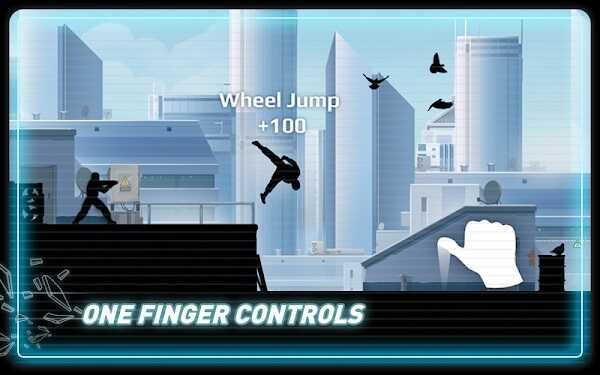
Controls in Vector Classic are intentionally straightforward to make the game approachable for short play sessions and mobile use. Typical interactions revolve around taps and directional swipes to trigger vaults, slides, and climbs; this minimal control scheme is forgiving for newcomers yet supports advanced timing for skilled players. Because runs are short and inputs are simple, the title works well for one-handed play and casual sessions. The design emphasizes responsiveness so that input latency feels low and animations connect smoothly, which is crucial when precise timing decides success or failure.
Progression and level structure
The game presents more than 40 handcrafted levels organized into escalating challenges. Early stages introduce basic maneuvers and teach momentum concepts, while later maps layer obstacles and require tighter sequences to maintain flow. Each level is a self-contained test of timing and route selection, allowing players to tackle a single challenge in minutes and return to improve their execution. Progress is based on mastering runs and moving through increasingly complex level layouts rather than accumulating consumable items, so the sense of advancement comes from personal skill improvement and unlocking the next set of challenges.
Visual style and animation
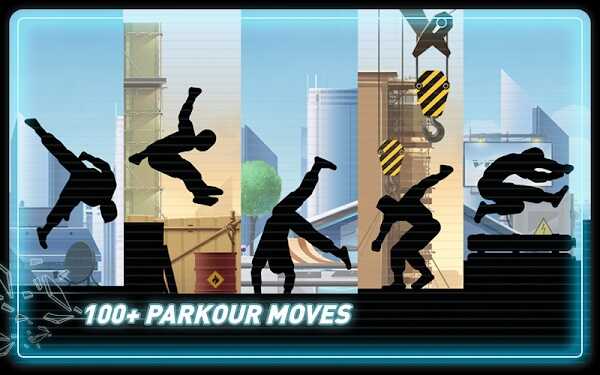
Vector Classic relies on realistic motion to sell its parkour fantasy. Cascadeur-assisted animation yields smooth transitions between actions—vaults feel weighty, slides glide naturally into climbs, and landings have believable follow-through—so even short runs look cinematic. The visual palette supports the dystopian theme with angular rooftops, industrial silhouettes and dramatic lighting that emphasize verticality and depth. Background design and camera framing work together to highlight the chase element, making each run look like a compact action sequence.
Replay value and challenge systems
Replayability stems from the game's skill-based design: many levels reward mastering a particular rhythm or route, so repeating maps to shave fractions of a second or to string together flawless sequences is intrinsic to the experience. The pursuit mechanic changes the stakes on replays because the pressure to keep moving makes previously safe routes riskier under time stress. Instead of branching systems, replay value comes from refining technique, experimenting with different approaches to obstacles, and learning when to push for speed versus when to reset and aim for a cleaner run.
User experience and practical considerations
Because runs are short and self-contained, Vector Classic is well suited to quick sessions on mobile devices. Menus and level selection are designed to get players back into action quickly, and the single-player focus means core gameplay is available without dependence on persistent online connections. Visual clarity and responsive controls contribute to a predictable experience that helps players measure improvement from one run to the next.
Advantages
Vector Classic offers immediate, satisfying gameplay thanks to simple controls and polished animation that make movement feel rewarding. The level design emphasizes teachable challenges, so new players can learn the basics quickly while dedicated players find depth in timing and flow. The cinematic chase theme keeps runs tense and memorable without requiring long play sessions, which is ideal for casual bursts of play.
Disadvantages
The main limitations are inherent to the design: the core loop focuses heavily on timing and repetition, which can feel repetitive after many runs, and the challenge curve becomes demanding for players wanting a more relaxed, exploration-driven experience. Because levels are compact by design, players seeking open-world exploration or long-form gameplay may find the format restrictive.
Development team
Vector Classic comes from the studio behind the Shadow Fight series, who translated their experience in responsive arcade action into a parkour-focused runner. The team emphasized tight run mechanics and lifelike animation to give each short level a cinematic, high-stakes feel while preserving accessibility for mobile play.
Show More