Palmon: Survival
Version:0.4.30
Published:2026-08-04
Introduction
Palmon: Survival is a monster-catching survival and crafting game that drops you into the desolate world of Pallantis, where you capture, train and harness strange creatures called Palmon to survive, build, and expand a homestead. Palmon: Survival combines tactical capture-and-combat mechanics with base systems such as farming, power generation and factory assembly, giving players a layered experience of exploration, resource planning and emergent problem solving. If you like survival challenges balanced with creature collection and systems-driven progression, Palmon: Survival offers a steady learning curve that rewards experimentation.
Gameplay Overview
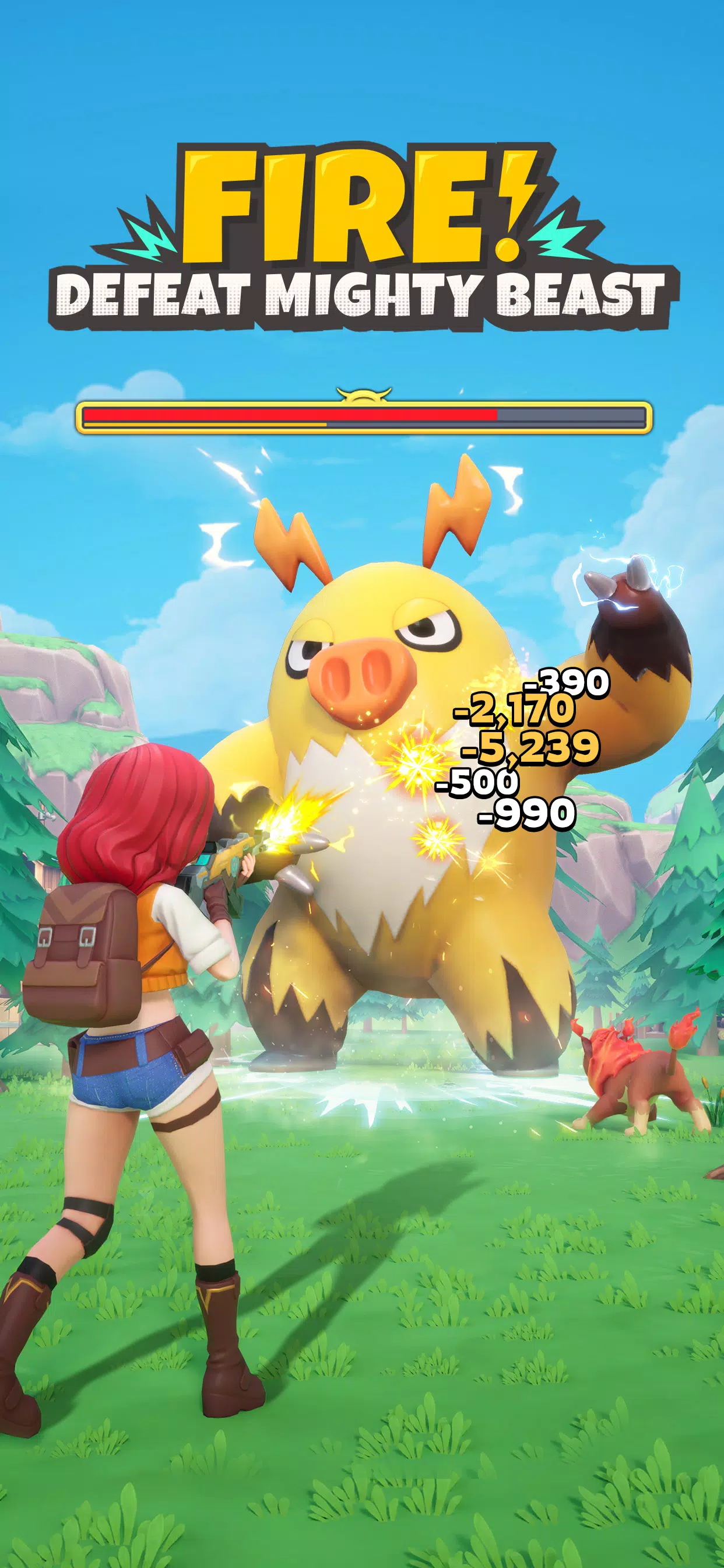
The core loop revolves around discovering Palmon, researching their abilities, and integrating those abilities into your homestead. Capture sequences are tactical encounters: you scout an area, identify environmental interactions, and use bait, traps or specific Palmon abilities to secure a new companion. Once tamed, a Palmon can be assigned to tasks such as tending crops, generating electricity, or aiding in combat. Combat is deliberate rather than arcade-fast — positioning, timing and choice of Palmon matter when facing poachers or hostile fauna. Exploration is non-linear, with ruins, forges and secret locations that reward careful players.
Controls and Interface
Controls are optimized for touchscreens with context-sensitive buttons and a clear radial menu for Palmon commands. Movement and camera are controlled via an on-screen joystick and swipe gestures; interaction prompts appear when you approach objects, crops or wild Palmon. The crafting interface uses a simple drag-and-drop inventory with recipe hints and a research tab that tracks unlocked technologies for base improvements. Tooltips and an introductory tutorial guide new players through capture mechanics, base setup and basic survival tips without overwhelming the UI.
Progression and Systems
Progression in Palmon: Survival is built around two intertwined tracks: creature development and homestead advancement. Each Palmon gains experience and can unlock or reveal passive and active abilities that influence both combat and utility tasks. Separately, your homestead progresses through a technology tree of practical upgrades — better irrigation for farms, generators for reliable power, and assembly lines for simple factories. Researching new blueprints requires resources gathered during exploration, so planning expeditions to specific biomes becomes a meaningful strategic choice as your base scales up.
Visual Style and Level Design
Visually, the game leans into a weathered, atmospheric palette that highlights the contrast between ruined landscapes and pockets of verdant life you create. Environments range from wind-scoured plains to shadowed forests and abandoned industrial zones, each with distinct ambient sounds and daylight cycles that affect creature behavior. Levels are structured as open regions with interconnected points of interest rather than rigid stages, encouraging players to map routes, claim resource nodes and return to previously dangerous areas once they've gained stronger Palmon or better gear.
Customization and Base Building
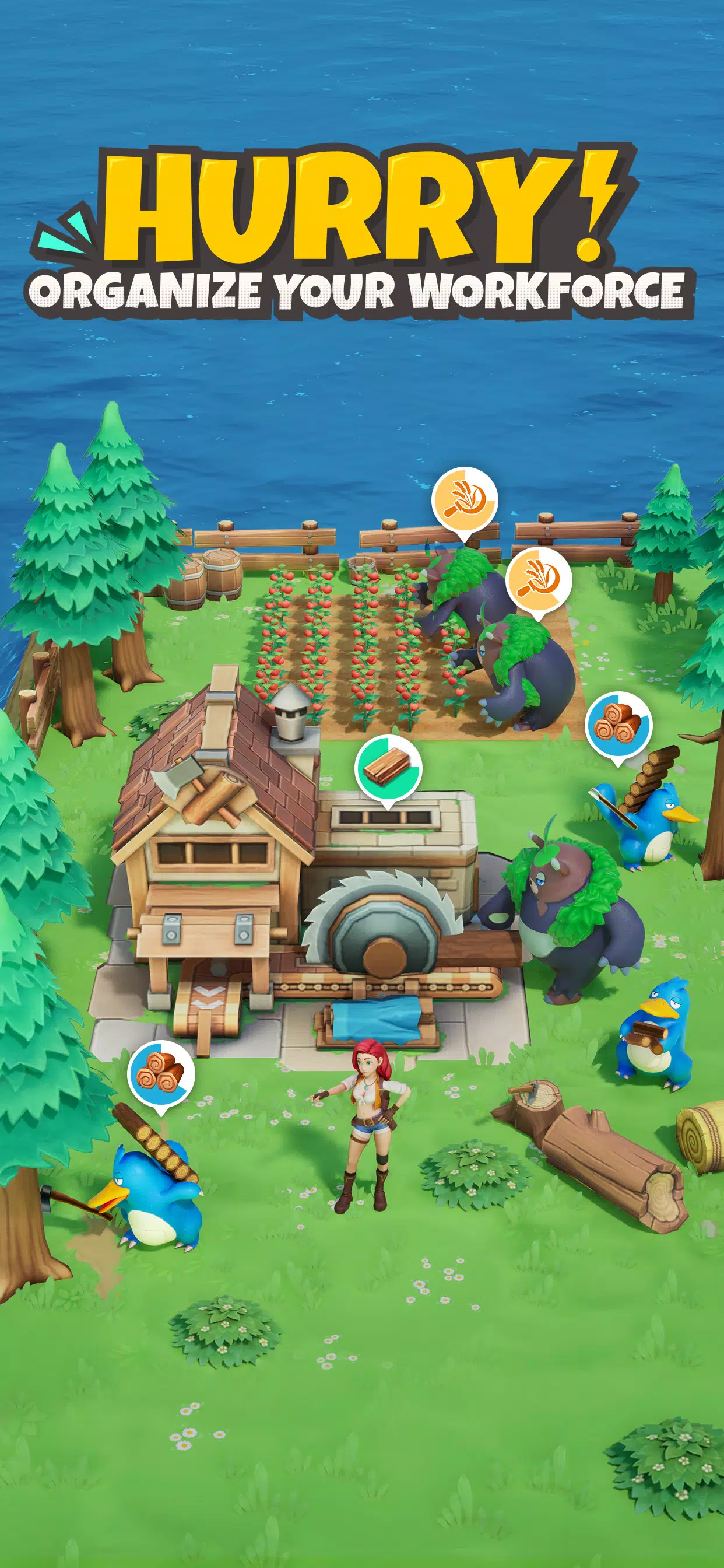
Base-building emphasizes practical layout and functional customization. You place fields, storage, power conduits and production buildings to create efficient workflows for resource processing. Palmon assignment is flexible: name and designate creatures for farming, defensive patrols or factory operation, and prioritize which abilities to develop first. While cosmetic personalization is modest, structural choices and organization significantly change how your homestead performs and how you approach long-term objectives.
Replay Value and Challenge Systems
Replay value comes from the variety of Palmon combinations and emergent interactions between creature abilities and base systems. Different playstyles—aggressive taming and combat, careful farming and infrastructure, or stealthy exploration—lead to distinct runs. Challenge systems include escalating poacher activity, environmental hazards and rare Palmon encounters with high risk and reward. These elements create tension and encourage players to adapt their strategies rather than follow a single optimal path.
User Experience, Accessibility and Offline Play
The experience is designed for single-player play and supports offline progression so you can explore and develop your homestead without a constant connection. The UI includes adjustable text sizes and clear iconography to aid readability; audio cues and visual markers highlight important interactions for players who prefer less on-screen clutter. Save systems are straightforward, and the tutorial can be revisited at any time to refresh mechanics. Performance is tuned across a range of devices to maintain stable frame rates while preserving environmental detail.
Who Should Play
Palmon: Survival is well suited to players who enjoy methodical survival sims, creature collection with tactical depth, and base-building that rewards careful planning. Expect meaningful decisions about which Palmon to prioritize, how to route power and resources, and when to risk expeditions into dangerous regions. The game asks for patience and curiosity, and it invites players to discover how different systems interact as they carve out a livable homestead in Pallantis.
Show More