Learning games for toddlers 2+
Version:1.0.11
Published:2026-08-04
Introduction
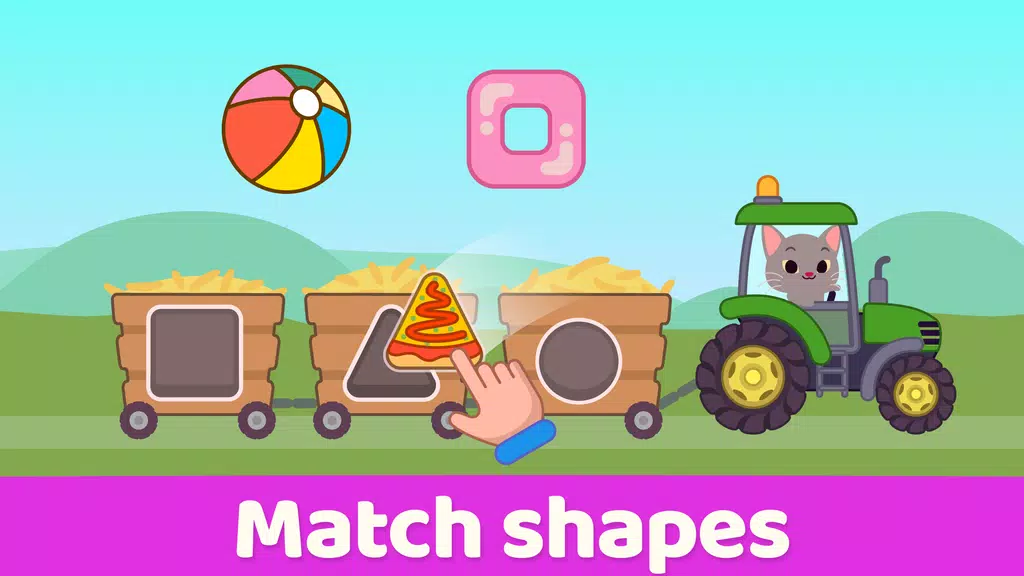
Learning games for toddlers 2+ is a collection of 15 educational mini-games made for children aged 2 to 5 that combine gentle gameplay with early learning goals. The app guides preschool players through sorting, counting, shapes and color activities using simple tap-and-drag mechanics and friendly characters, so toddlers can explore on their own or with a caregiver. Parents will value an ad-free, safe play environment where short challenges build eye–hand coordination, observation and basic logic. Families looking for focused, age-appropriate screen time will find this title useful for introducing numbers, sizes and colors.
Key Features
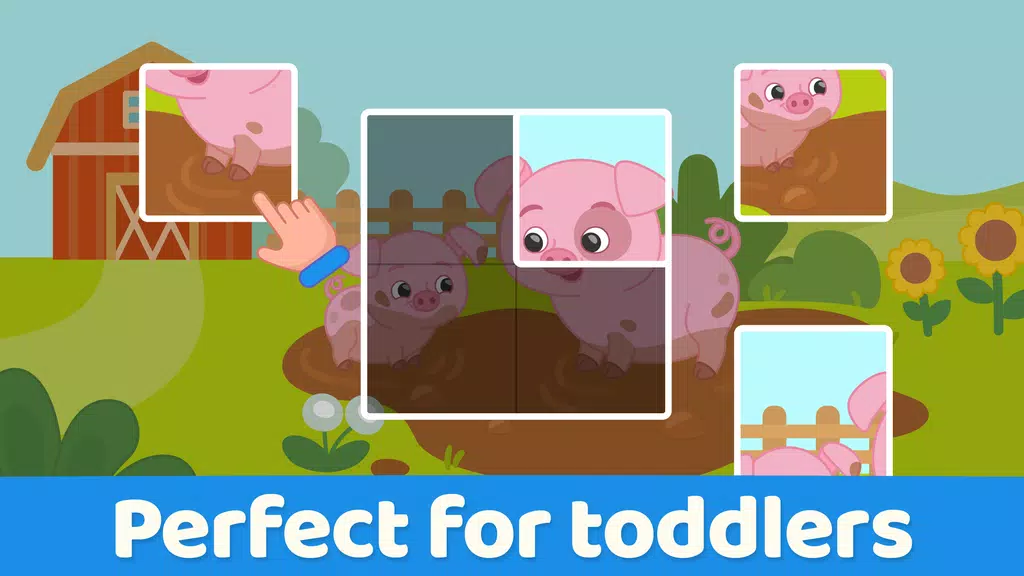
⭐ Learning games for toddlers 2+ offers simple 4-piece farm puzzles with large pieces and recognizable animals to support early problem-solving.
⭐ Size matching gameplay pairs vegetables with correctly sized pots to teach comparison and sequencing.
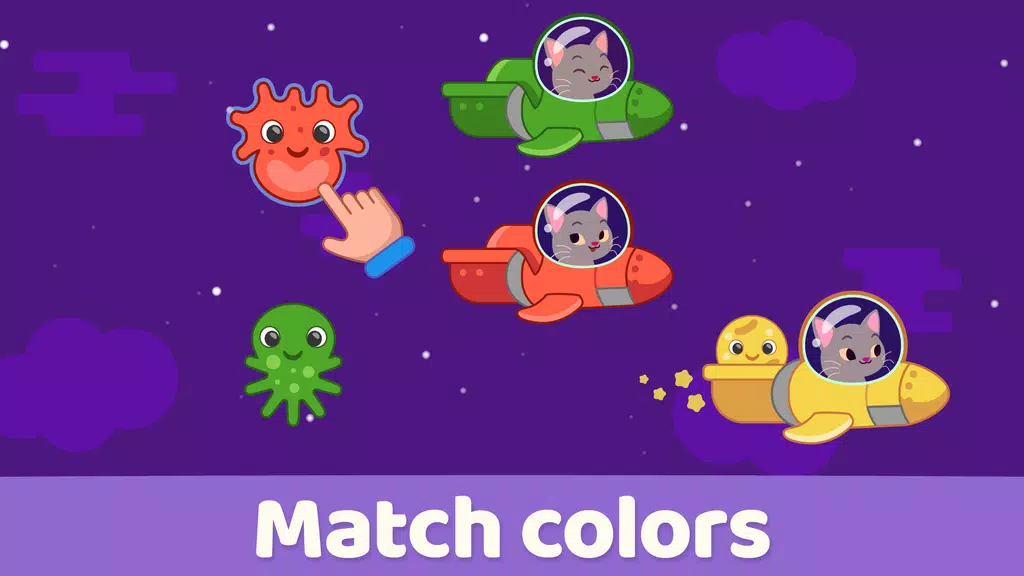
⭐ Color sorting challenges include fun scenarios like matching space friends to taxis and recycling items into same-colored bins.
⭐ Number-based games use serving and train-themed activities to practice counting, plus a pop-the-dots number outline for hands-on number recognition.
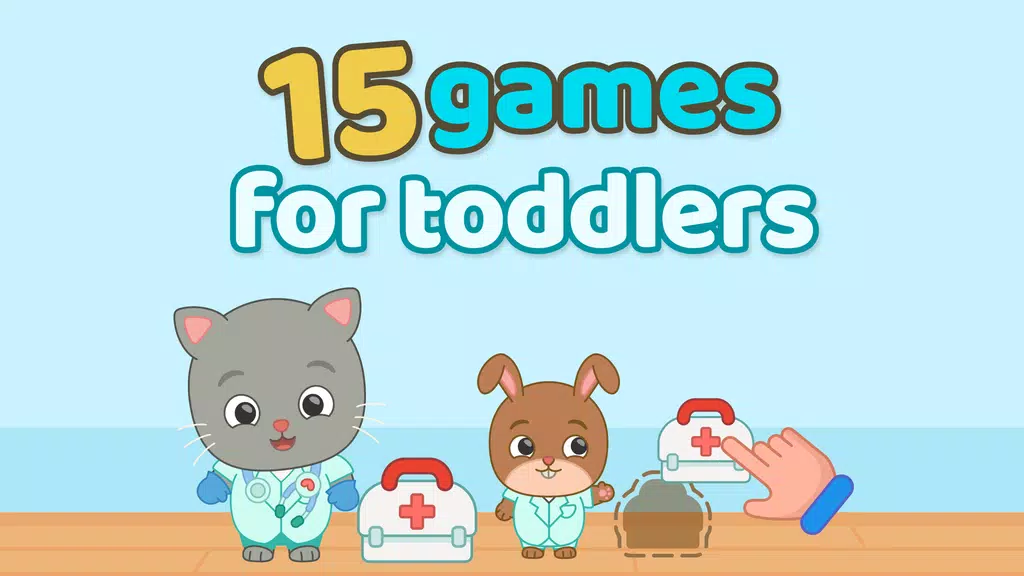
⭐ Dress-up matching and clothing size activities introduce role-play characters like a cat and bunny to strengthen fine motor skills.
Advantages
✅ Learning games for toddlers 2+ is ad-free and designed to provide a safe, child-focused play session.
✅ The app promotes cognitive skills such as concentration, memory and basic logical thinking through short, clear challenges.
✅ Simple controls and large interactive elements make the gameplay accessible for young toddlers and independent exploration.
✅ A variety of mini-games (sorting, matching, counting, puzzles and dress-up) keeps preschoolers engaged while reinforcing foundational concepts.
Disadvantages
❎ The content is intentionally basic and targeted at ages 2–5, so it lacks advanced challenges for older children.
❎ Gameplay focuses on early concepts and does not provide in-depth lessons or formal curriculum progression beyond introductory practice.
Show More