Spelling & Phonics: Kids Games
Version:1.5
Published:2026-08-04
Introduction
Spelling & Phonics: Kids Games is a free, ad-free educational game that helps young children learn to spell using phonics, pictures and playful activities. The app collects more than ten mini-games into a single package so kids can practice letter sounds, match letters to images and assemble words without distractions. Bright visuals, sound cues and simple touch controls make learning approachable for toddlers and early readers, while progress reports, stickers and certificates give parents a way to track improvement and celebrate milestones as their child builds foundational spelling skills.
Key Features
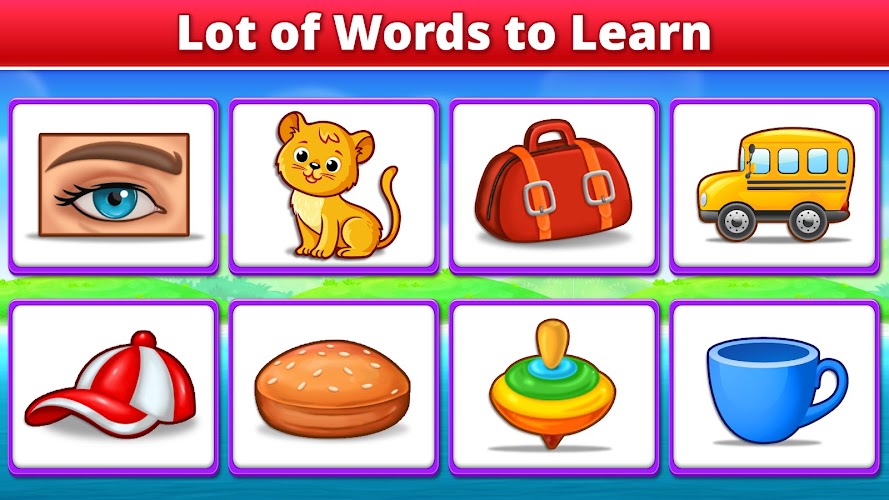
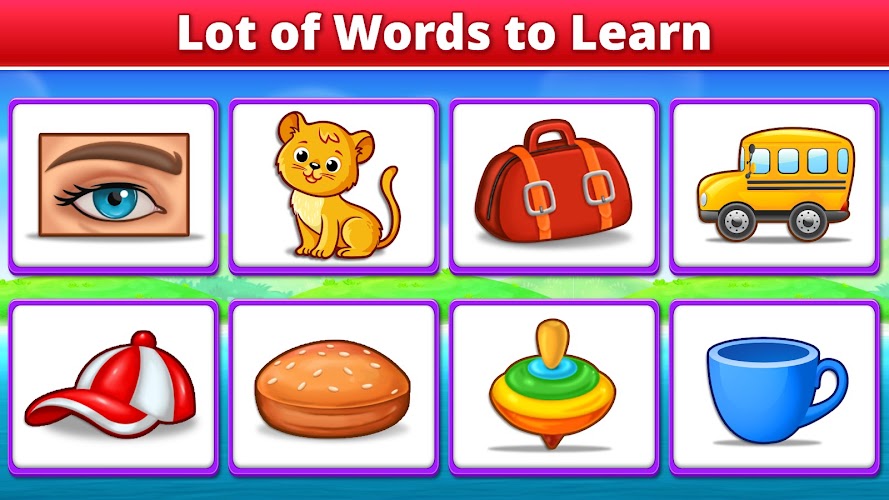
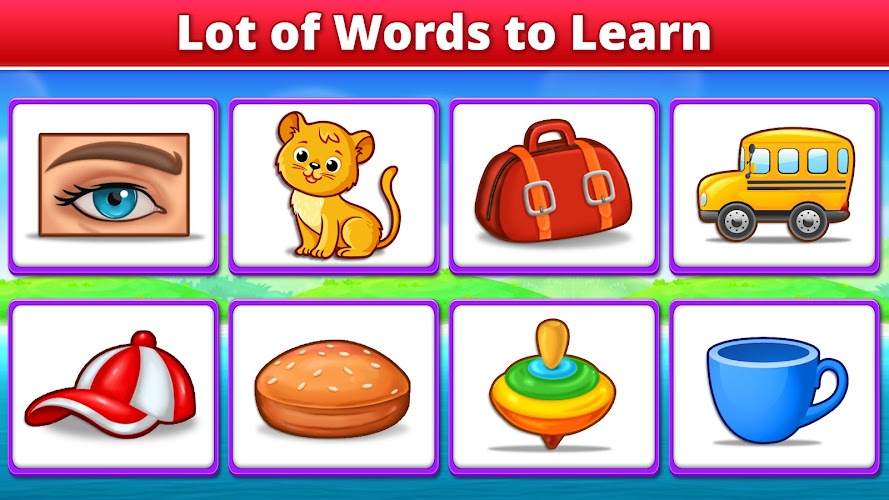
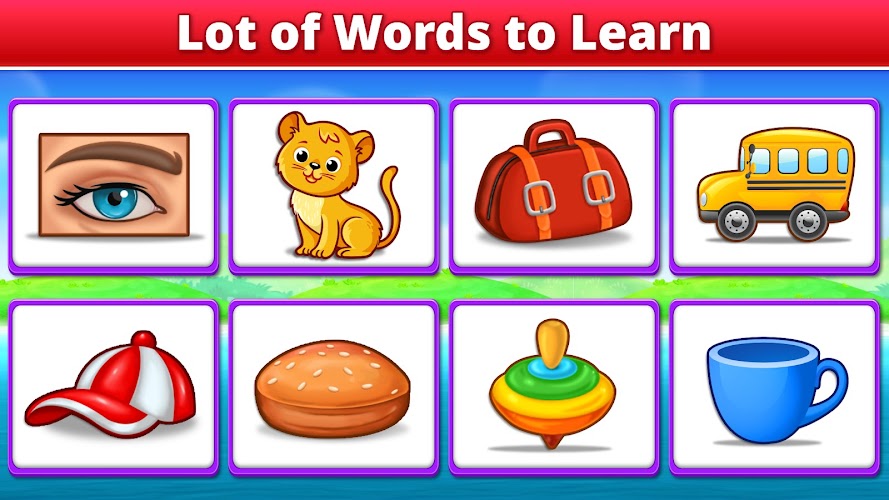
⭐ Spelling & Phonics: Kids Games bundles more than ten different mini-games so children can practice varied spelling activities in one place.
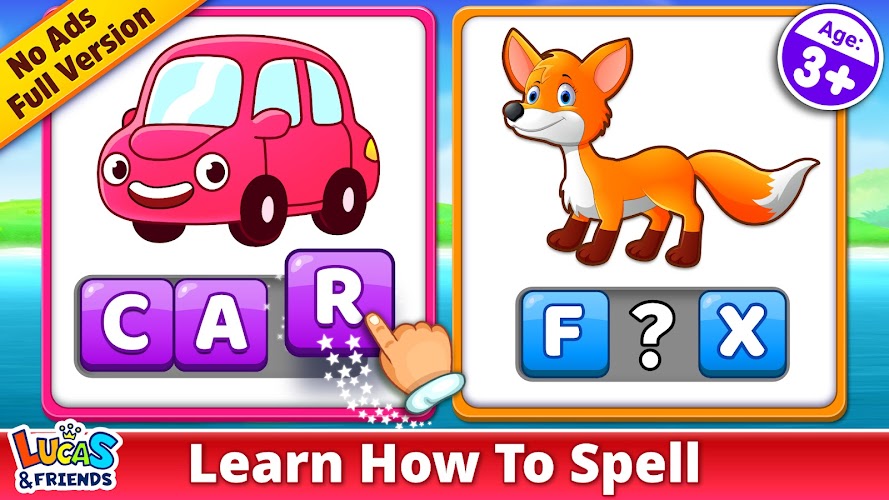
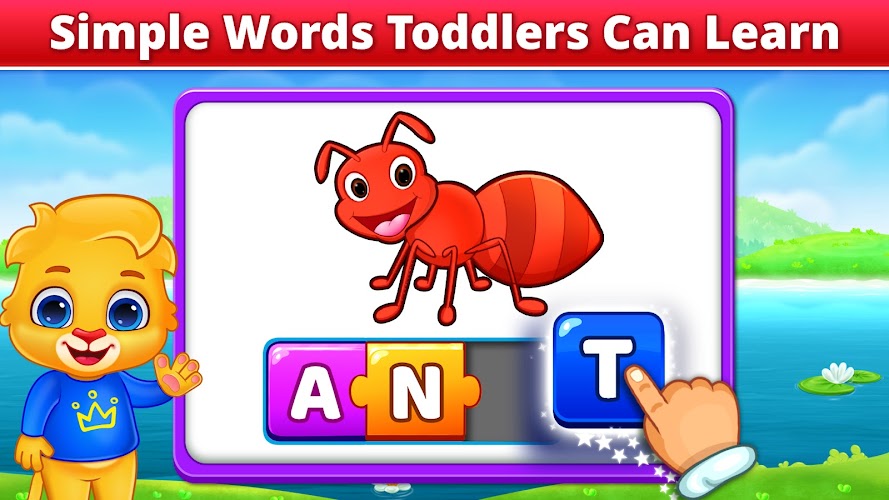
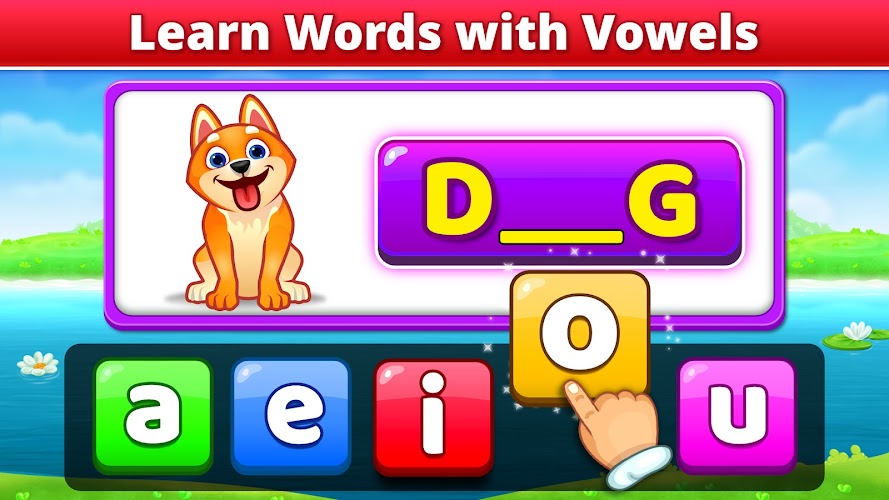
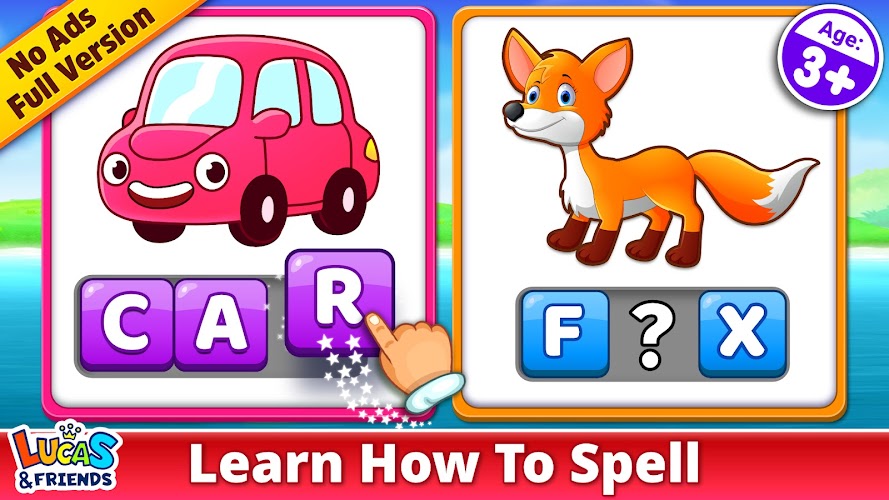
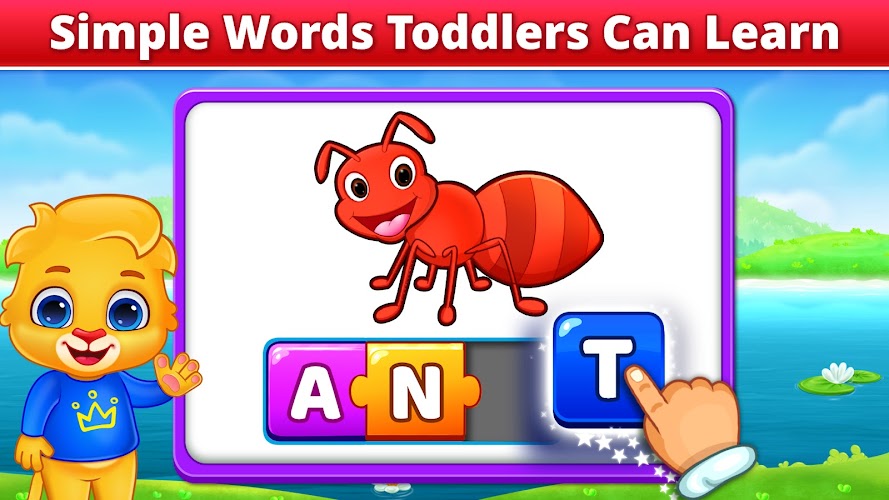
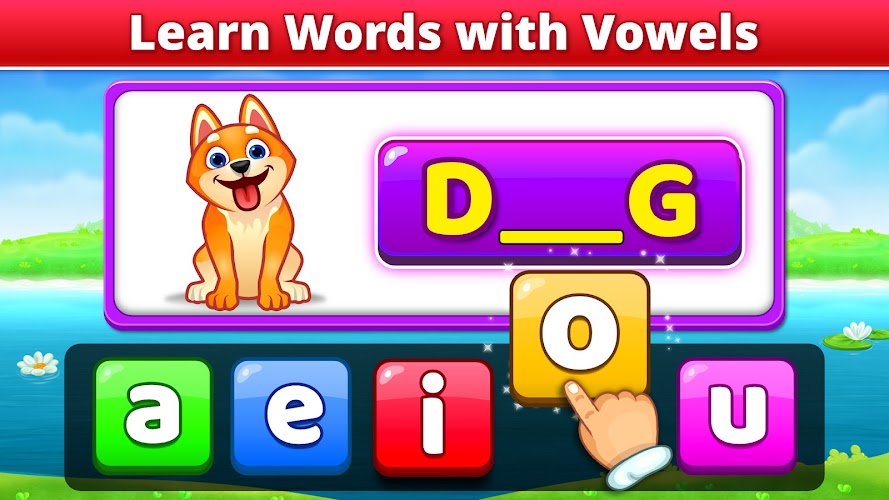
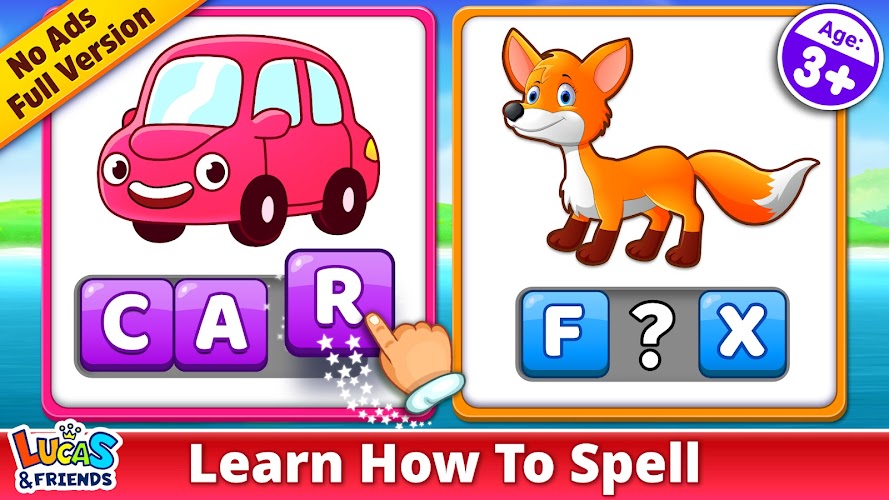
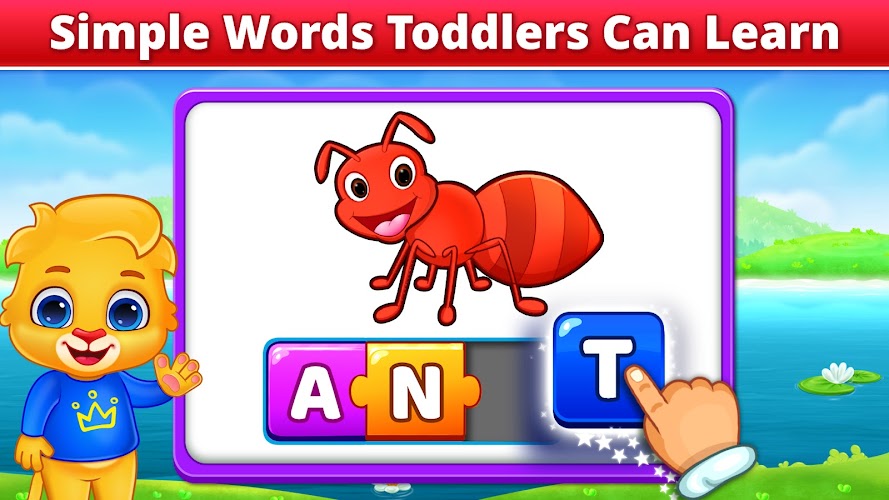
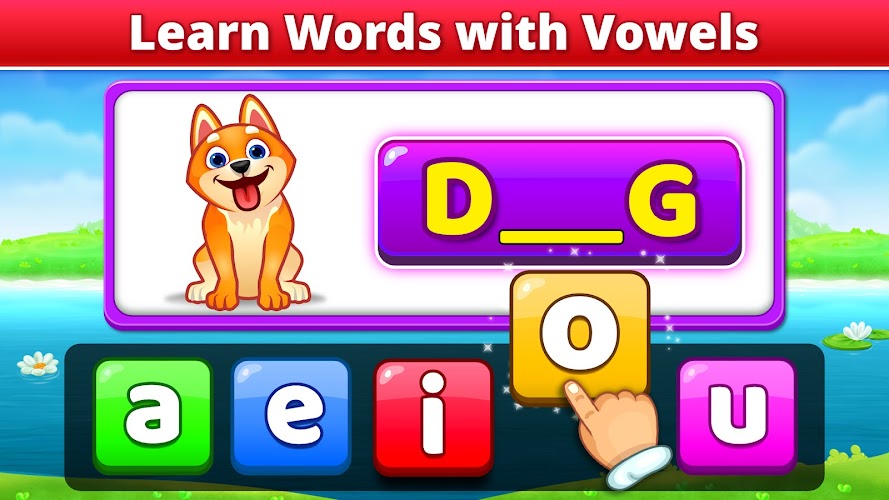
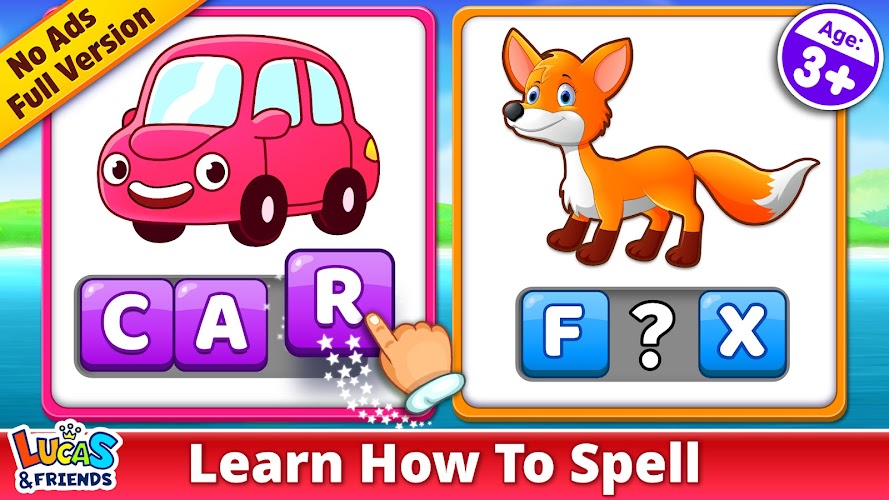
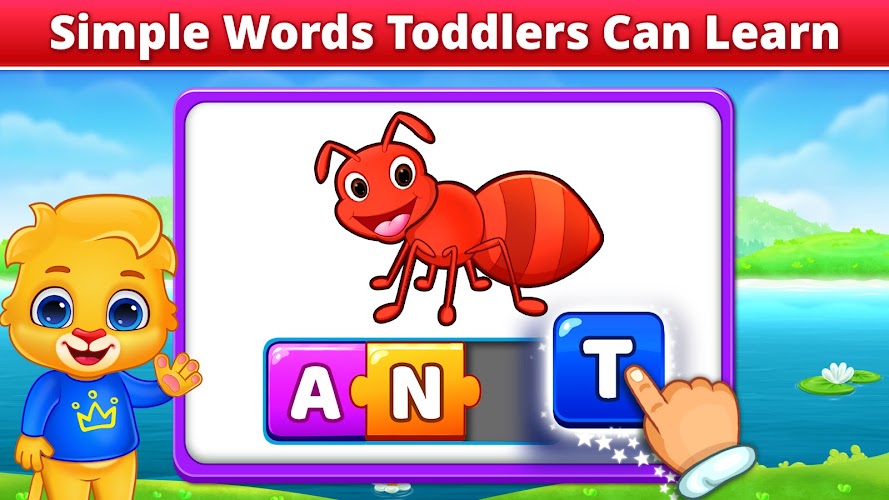
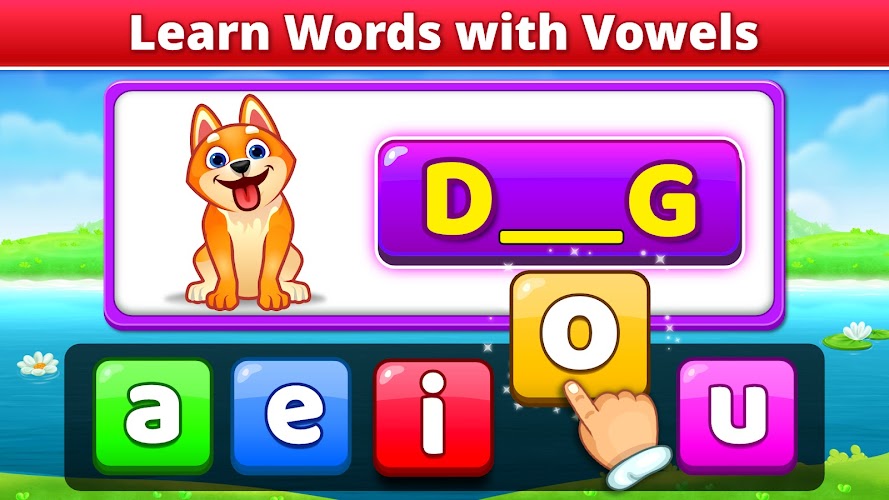
⭐ Multiple game modes — Spelling, Fill In Blank, Blank Spelling and CVC — guide kids through matching letters, filling jumbled letters and basic consonant-vowel-consonant patterns.
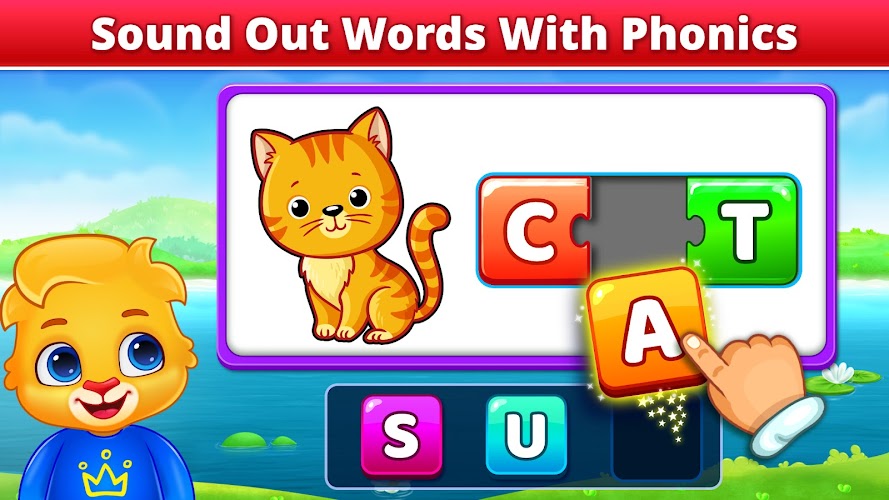
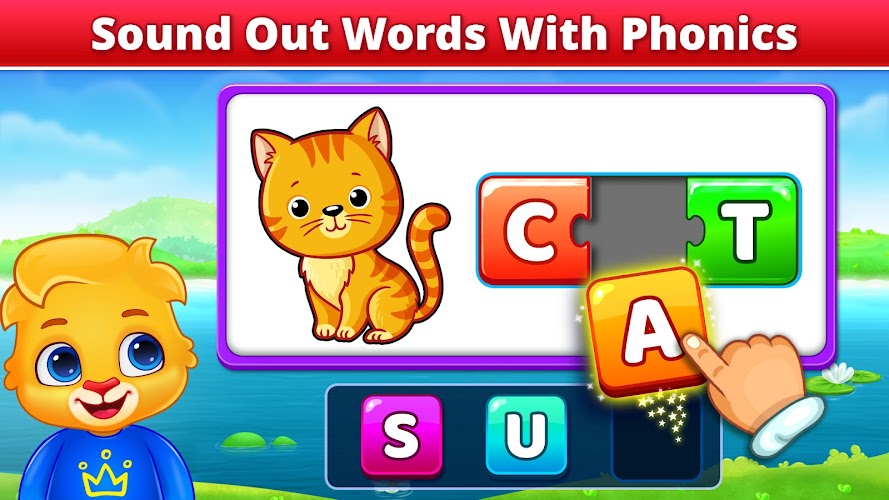
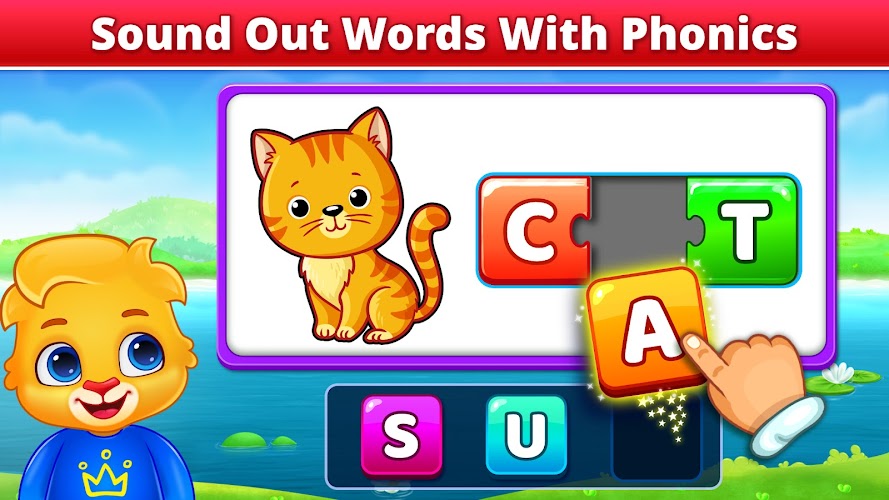
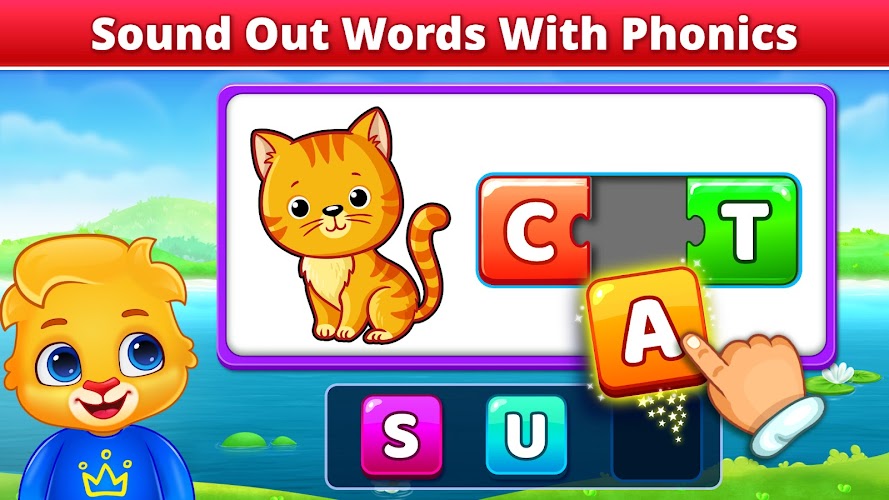
⭐ Phonics-focused audio helps children sound out letters and words while associating letters with pictures for multisensory learning.
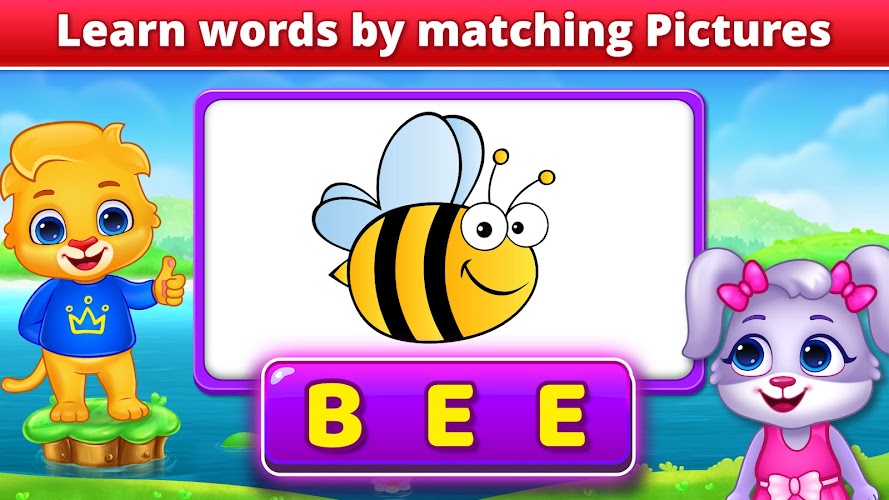
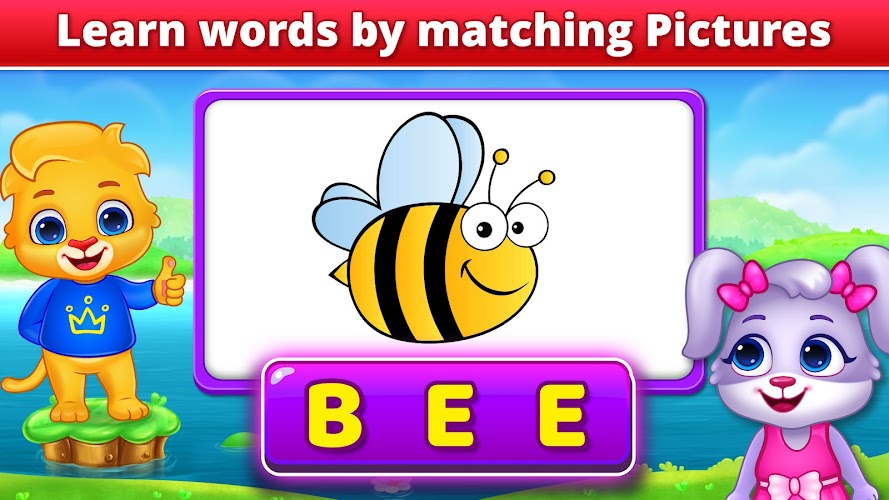
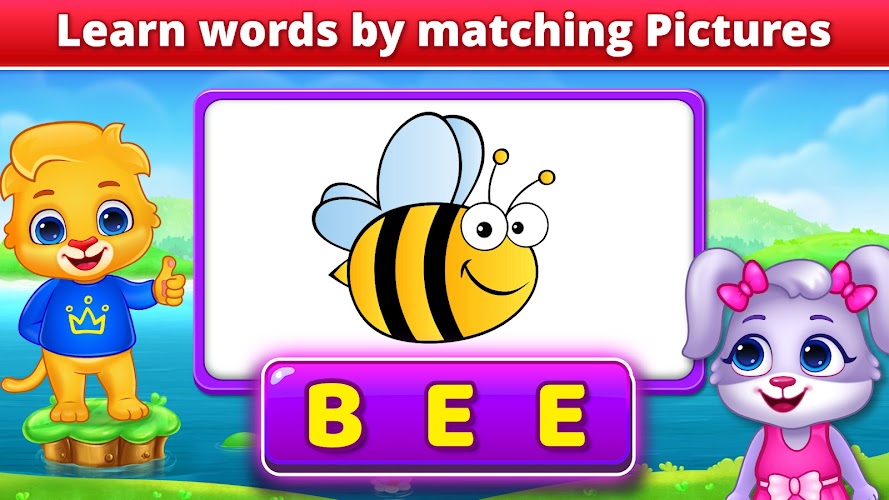
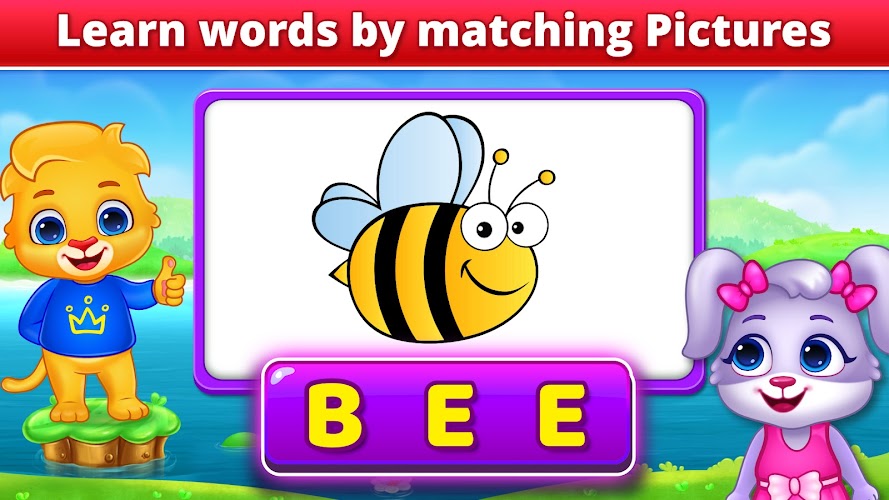
⭐ Colorful graphics, friendly cartoons and simple touch controls make the gameplay accessible for toddlers and early readers.
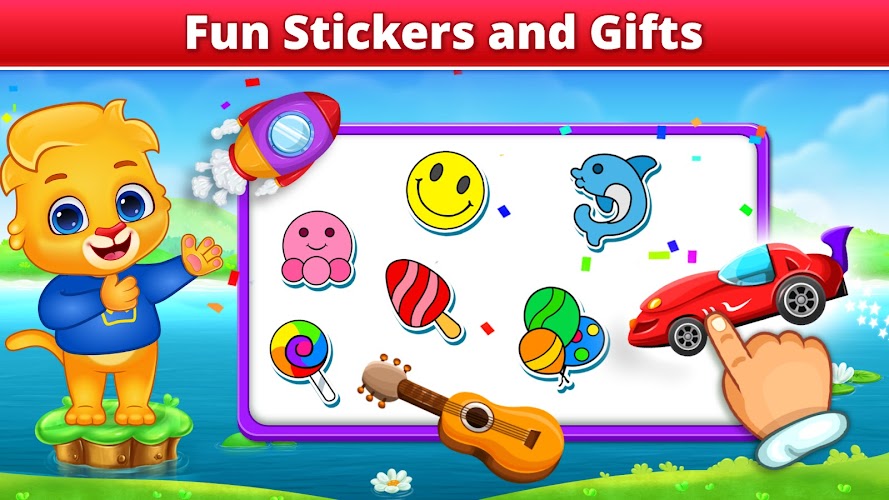
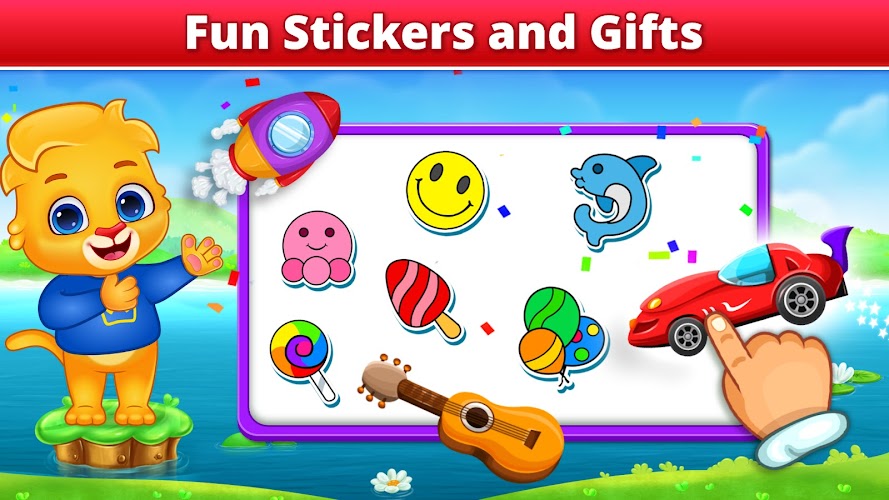
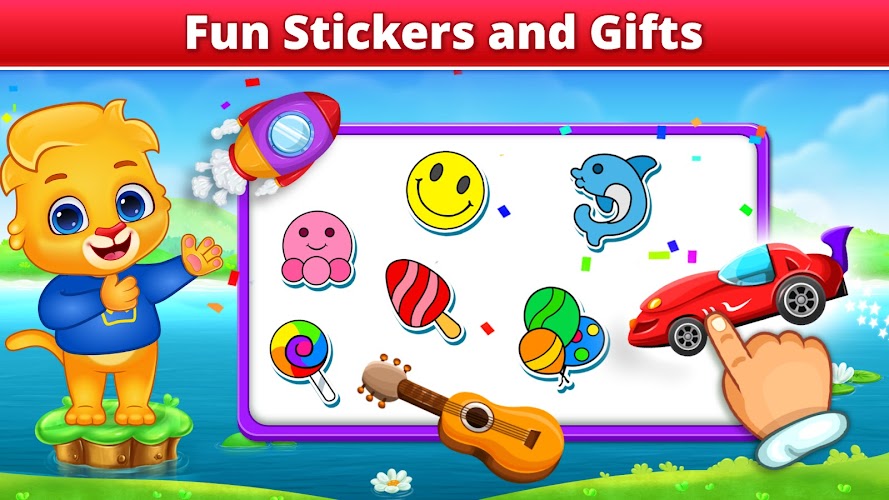
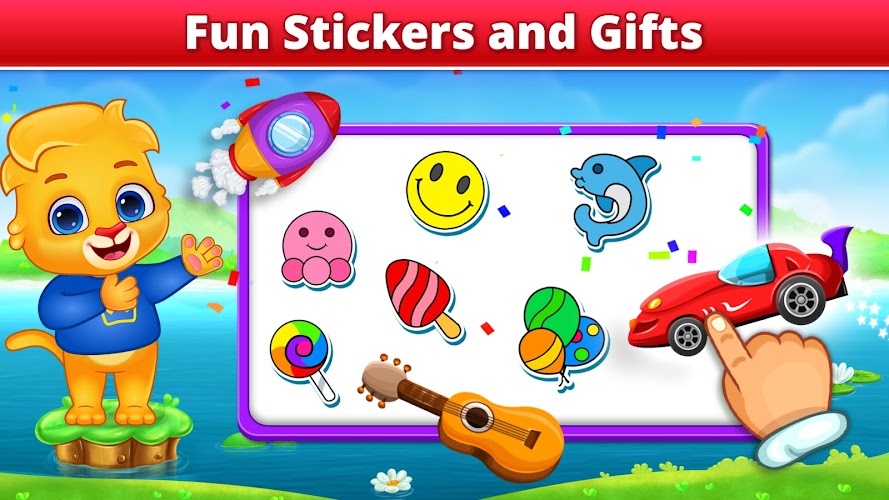
⭐ Progress reporting, collectible stickers and certificates reward achievement and track learning over time.
Advantages
✅ Spelling & Phonics: Kids Games offers a completely free and ad-free experience with no third-party ads, paywalls or distracting in-app purchases.
✅ Emphasizes phonics and letter–sound relationships so children build understanding, not just memorization.
✅ A variety of game mechanics keeps players engaged and provides repeated practice across different spelling tasks.
✅ Parents receive simple report cards and reward systems that make it easy to monitor progress and encourage continued learning.
Disadvantages
❎ The app is focused on foundational spelling and phonics, so older children or advanced spellers may find the activities too basic.
❎ Concentrates on letter recognition and word formation rather than broader literacy skills such as reading comprehension or grammar.
Show More