Space Rescue: Code Pink
Version:11.0
Published:2026-08-05
Introduction
Space Rescue: Code Pink drops you into a compact, story-driven adventure aboard the Rescue Relax Ship, where you play Keen, a rookie mechanic learning to handle shipboard emergencies. The title balances light interpersonal moments with practical problem solving, delivering short exploration segments, hands-on repair puzzles and varied mini-games that move the story forward. From the outset the pacing favors digestible play sessions: you scavenge parts, consult blueprints and workshop interfaces, and navigate tight corridors to reach the next objective while meeting crew members who add humor, mild romantic tension and personality to routine tasks.
Gameplay and controls
Gameplay focuses on inspecting malfunctioning systems, identifying salvageable components and assembling replacements. The mobile-friendly interface is built around simple gestures: tap to examine an object or inventory item, drag parts into place on the workshop bench, and use timed taps or swipes to complete short, skill-based mini-games. Mini-games are intentionally varied — some test timing and dexterity, others are pattern or logic challenges — and are woven into exploration so each task feels purposeful. Inventory management is straightforward: collected materials appear in a compact bar, blueprints indicate required pieces, and the workshop highlights compatible components to reduce micromanagement.
Progression and challenge systems
Progress is driven by practical objectives rather than abstract numbers. Completing repairs opens new ship sectors, grants access to restricted rooms and triggers additional narrative beats with the crew. Resource scarcity is an intentional constraint: deciding whether to use a rare component now or save it for a potentially more serious failure later creates small strategic choices. Mini-games gradually scale in difficulty, and optional side tasks provide repeatable challenges for players who want to improve skill-based scores or collect extra salvage. A built-in hint system and adjustable difficulty make the experience approachable while offering a firmer test for players who prefer harder puzzles.
Repair systems and customization
At the heart of the experience is a clear repair loop: scavenge, analyze, fabricate and install. Crafting happens in a compact workshop where discovered blueprints guide assembly from salvaged materials. You make practical decisions about which components to prioritize — build a more efficient part that reduces future failures, or keep spare materials for emergency repairs — and those choices affect how subsequent problems play out. Space Rescue: Code Pink keeps customization grounded in gameplay: rather than deep character skill trees, customization influences repair outcomes and available approaches to obstacles, preserving accessibility while allowing meaningful decisions.
Visual style and level structure
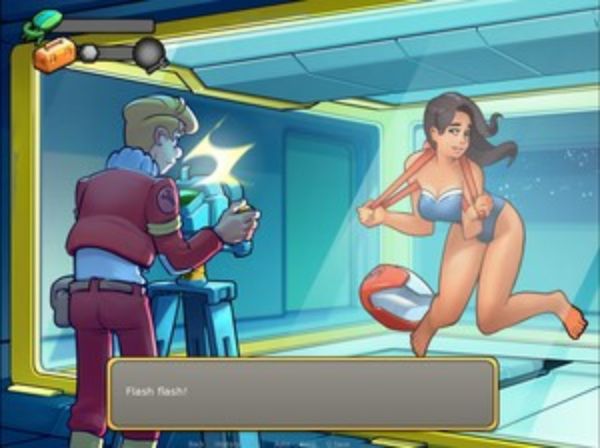
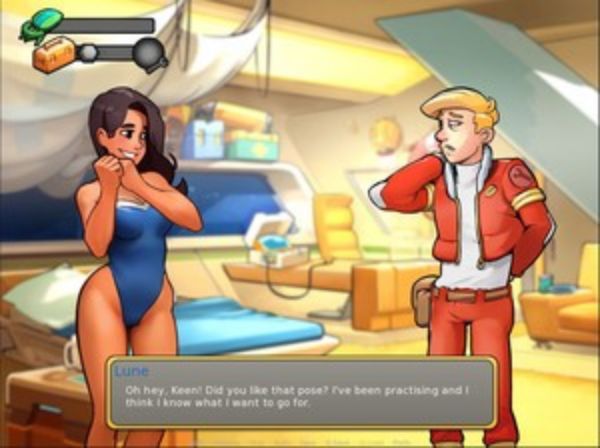
The game presents a character-focused 2D visual style with readable layouts and expressive sprite art that communicates personality without distracting complexity. Ship corridors, maintenance shafts and communal areas are designed for quick orientation and clear interaction points. Levels are organized as interconnected ship sectors that unlock in sequence; each sector contains core repairs required to progress, plus small exploration nooks with salvage and short narrative encounters that expand the cast and tone. Lighting and visual cues guide players subtly toward points of interest rather than relying on intrusive markers.
Replayability and user experience
Replay value comes from optional repairs, alternate approaches to scarce resources and replaying mini-games to improve scores. Sessions are intentionally brief and episodic, making the game suitable for short play bursts or longer stretches when you want to focus. Small branching interactions with crew members and collectible blueprints invite replaying sectors to see different dialogue or craft alternative components. The interface emphasizes clear feedback for success or failure in repairs, and responsiveness is tuned to keep frustration low while preserving a sense of accomplishment.
Accessibility and offline play
The game aims to be accessible across skill levels: touch controls are simple to learn, difficulty can be adjusted, and hints are available for puzzle sections. Visual clarity and straightforward objectives reduce time spent searching for the next step, supporting players who prefer a relaxed pace. Space Rescue: Code Pink supports single-player offline play so you can complete repairs and follow the story without an internet connection; local save slots preserve progress between sessions so casual players can pick up where they left off.
Challenge systems and extras
Challenges are tuned to reward thoughtful problem solving rather than repeated trial-and-error. Resource management introduces light tension on how you approach repairs, while mini-games provide a skill-based measure that increases with each sector. Optional tasks and replayable encounters create goals beyond the main objectives, and the game includes settings to scale difficulty and enable additional hints for those who want a more relaxed experience. Together these elements create a focused, approachable adventure that prioritizes gameplay clarity and steady narrative pacing.
Show More