Pin Out Puzzle
Version:18
Published:2026-08-06
Introduction
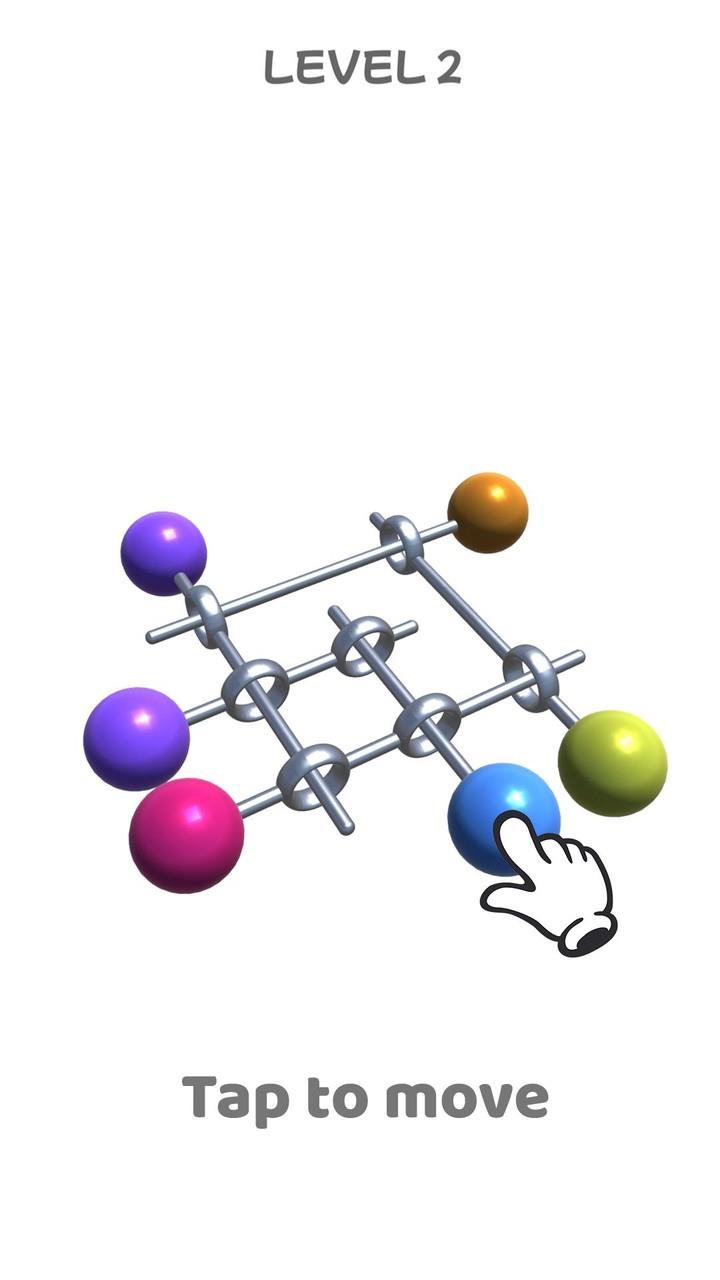
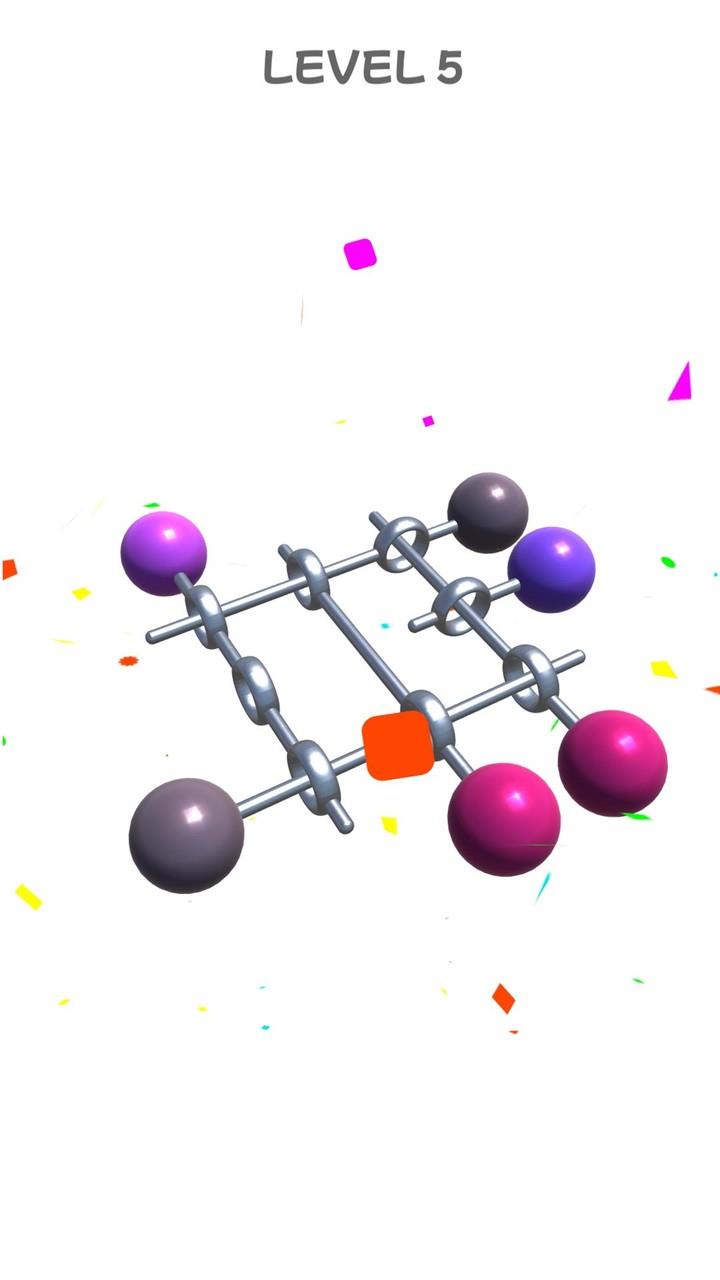
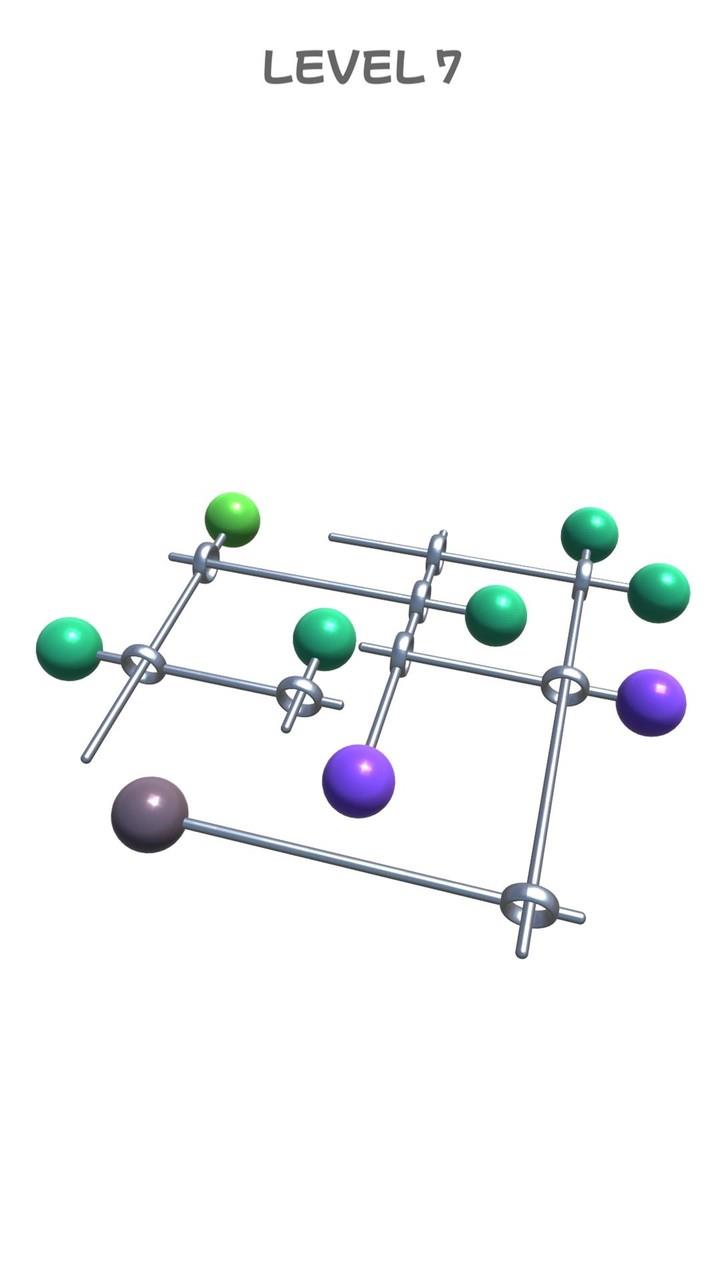
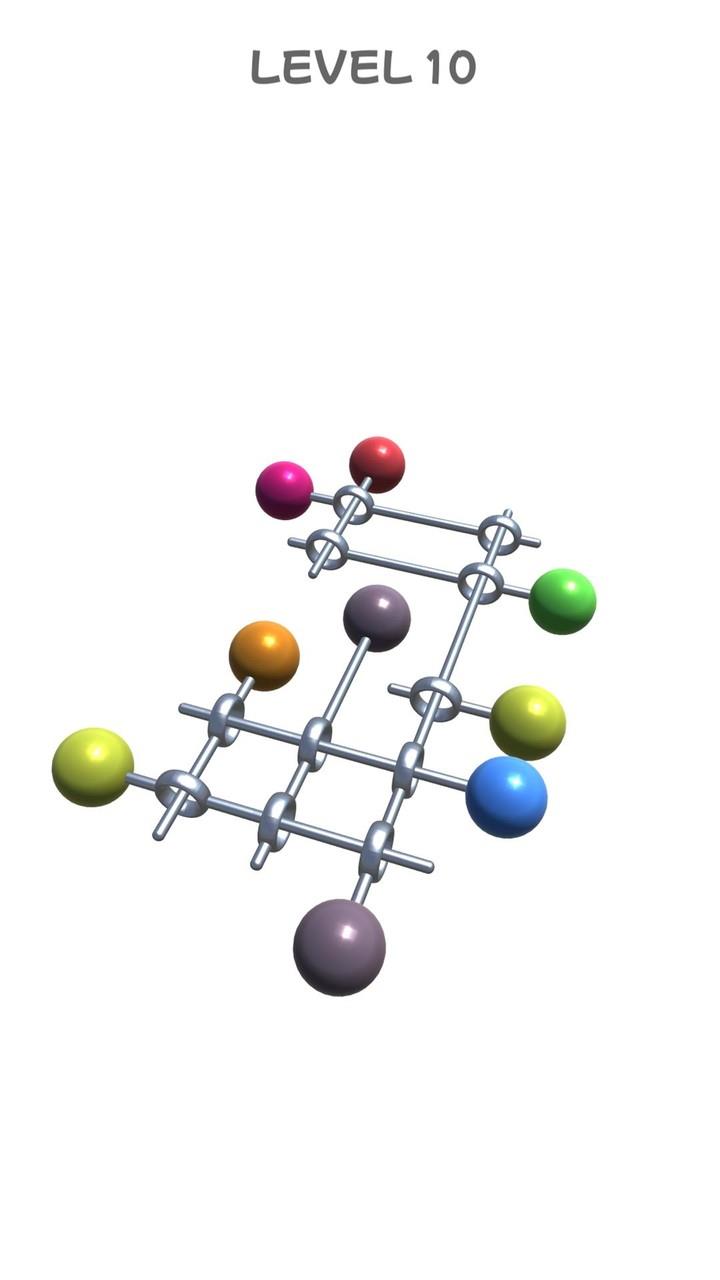
Pin Out Puzzle brings a tactile, brain-teasing board game experience to your device, challenging players to free hooked pins by tracing routes and dismantling interconnected pieces before time runs out. Pin Out Puzzle pairs straightforward touch controls with puzzles that reward spatial reasoning and careful planning rather than quick reflexes, making it a good match for short, focused sessions or longer stretches of concentrated play. The first few levels ease you in, while later stages introduce tighter arrangements and more complex interlocks that force you to rethink simple strategies.
Key Features
The game presents a warm, handcrafted visual style that combines eye-catching colors with a wood-and-natural-materials theme to evoke a physical boardgame. Live music and varied sound effects give immediate feedback on each move, reinforcing a satisfying rhythm to play. Levels are effectively endless: puzzles continue to appear with steadily increasing difficulty and timed constraints that measure both accuracy and speed. Simple mechanics — select a pin and trace a path to remove it — hide a surprising depth of combinations and lock patterns that change the way each board must be approached.
Gameplay
At its core, Pin Out Puzzle asks you to analyze connections and remove pins in the correct order so other pieces can be freed. Puzzles typically require you to look ahead a few moves, visualizing how removing one element will affect adjacent pieces. The timed element adds an extra layer of tension: some players aim to solve levels as quickly as possible, while others focus on finding a reliable sequence that works consistently. The result is a balance between quick decision-making and deliberate planning that keeps play engaging without demanding constant high-speed tapping.
Progression and Level Structure
Progression unfolds through a large number of increasingly intricate puzzles. Early boards introduce the basic interaction and common locking patterns; later puzzles rearrange those patterns and combine multiple constraints so that you need multi-step thinking to succeed. Because levels don’t rely on a single gimmick, the difficulty curve is gradual and cumulative: lessons learned in earlier stages remain useful but must be applied in new configurations. This steady escalation encourages replay and skill development rather than abrupt spikes in difficulty.
Controls and User Experience
Controls are intentionally simple and designed for mobile touchscreens: tap to select a pin, then drag or swipe to trace the intended route away from surrounding pieces. The interface emphasizes large, readable pieces and clear visual cues so you always understand which pins are interactable and what will be affected by a move. Sound cues and small animations reinforce successful actions and mistakes, which helps you form faster, more accurate judgments about future moves. Settings let you adjust music and effects volume to suit your environment.
Visuals, Audio, and Customization
The presentation favors clarity and a soothing aesthetic rather than flashy graphics. The wooden board styling and curated color palettes are crafted to reduce visual clutter and keep attention on the puzzle logic itself. Audio elements are used sparingly to strengthen concentration: short musical loops create a calm atmosphere while distinct sound effects confirm interactions. In the settings you can adapt volume levels and visual contrast to match your preferences, making the game comfortable for longer play sessions.
Replay Value and Challenge Systems
Replayability comes from the large pool of puzzles and the role that timing plays in scoring each attempt. Because boards reward different balances of speed and foresight, many players revisit earlier puzzles to improve their times or experiment with alternate solutions. The ongoing introduction of new lock types and arrangements means that even familiar mechanics continue to feel fresh, and short session lengths make it easy to pick the game up and make visible progress in minutes.
Accessibility and Offline Play
Pin Out Puzzle is approachable for a wide audience: its mechanics are easy to learn and the visuals emphasize contrast and touch-friendly targets, which helps players with different skill levels. The game is designed to be enjoyed in short bursts and does not require a constant internet connection, so puzzles are accessible when you’re commuting, waiting, or prefer to play offline. The combination of low friction controls and gradual difficulty increases helps new players build confidence while giving experienced solvers room to develop more advanced strategies.
Pros and Cons
Among the strengths of Pin Out Puzzle are its clean presentation, intuitive controls, and a puzzle design philosophy that favors logic over twitch skills. The live audio and tactile visuals make each attempt feel satisfying, and the endless progression model supports long-term engagement. On the other hand, the timed mechanics can create pressure that some players may find stressful, and the focus on a small set of core techniques means that those seeking a wide variety of gameplay systems or a narrative layer might find the experience somewhat repetitive over very long play sessions.
Show More