Monthly Entertainment
Version:1.0.262
Published:2026-08-06
Introduction
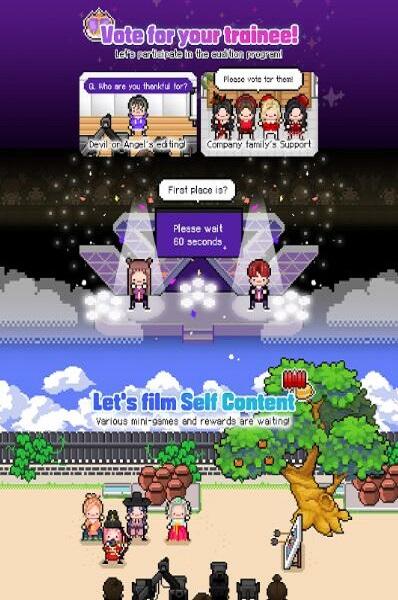
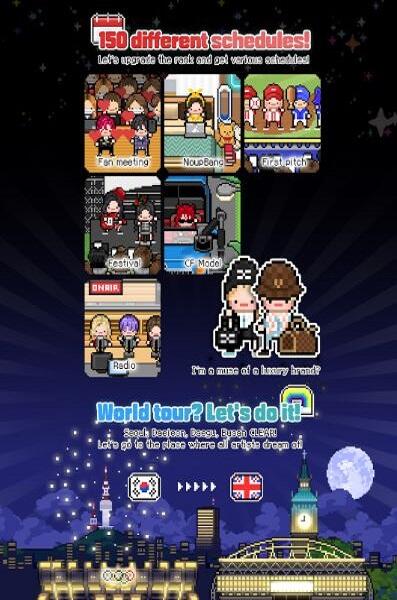
Monthly Entertainment places you at the helm of a growing music agency, inviting you to recruit promising talent, design training regimens and stage global performances. Monthly Entertainment introduces a mix of management strategy and hands-on performance mechanics that will appeal to players who enjoy incremental progression, creative planning and audience-driven challenges. This editor introduction explains how the game plays, what to expect from progression and customization, and how the user experience is shaped to remain accessible and engaging.
Gameplay mechanics
The core loop in Monthly Entertainment combines talent scouting, training cycles and staged performances. Players evaluate candidate attributes, balance short- and long-term development goals and allocate daily training sessions to improve skills such as vocals, dance and stage presence. Production segments allow you to schedule rehearsals, assemble setlists and fine-tune choreography; during showtime you will trigger performance abilities and respond to audience cues through simple, responsive controls. The design favors a mix of strategic planning between shows and interactive moments during concerts, so success depends on both resource allocation and timely in-show decisions.
Controls and interaction
Controls are designed for mobile touchscreens with intuitive gestures and tap-based menus: recruit and assign staff with a tap, swipe through training timelines and use on-screen prompts during performances to launch special routines. Menus are organized to minimize repetition, letting players manage multiple artists at once or focus on a single trainee. The interface scales to different screen sizes, and contextual help appears the first few times you encounter a new system to reduce the learning curve. Input is kept simple so the emphasis remains on creative choices rather than complex micro-management.
Progression systems and resource planning
Progression is driven by experience, skill upgrades and reputation earned from concerts and releases. Artists level up through consistent training and successful performances, unlocking new routines, cosmetic items and production options. Resource systems include currency earned from ticket sales and album royalties, energy or time resources for training cycles, and reputation points used to access higher-profile venues and larger tours. Strategic players will plan training cycles to balance immediate income with long-term skill growth, and manage costs such as production expenses and promotional campaigns. Monthly Entertainment supports emergent strategies, letting different agency setups lead to distinct playstyles.
Customization and visual style
Customization spans character appearance, stage outfits and choreography choices, enabling you to develop distinct groups with unique identities. Visuals use stylized character art and polished stage animations to communicate performance feedback clearly—crowd reactions, lighting effects and camera angles change dynamically to reflect show quality. Costume and set options are varied enough to craft a recognizable image for each act without overwhelming the player with excessive micromanagement. The art direction emphasizes accessibility and readability while delivering an appealing idol-simulator aesthetic.
Level structure and challenge systems
The game is organized into episodes and tour legs that introduce new mechanics gradually. Early levels focus on core tutorials and simple concerts, while later stages require complex scheduling, multi-city tours and adaptation to audience preferences. Challenge systems include time-limited events, audience requests that modify show conditions and special scenario objectives that reward unique items. These constraints encourage players to rethink training priorities and setlists, creating meaningful decision points beyond straightforward grinding.
Replay value and player experience
Replayability comes from experimenting with different talent combinations, varying training strategies and trying distinct visual identities for your acts. Procedural elements in event timing and audience tastes mean no two playthroughs follow the exact same arc, and multiple viable paths exist for growing a worldwide presence. The pacing is adjustable so casual players can enjoy slow progression while more invested players can pursue optimized strategies and full roster development.
Accessibility, offline play and device considerations
The interface includes adjustable text sizes and toggleable tutorial hints to make the game approachable for diverse players. Offline play is supported for core management and performance simulations so you can continue training and running tours without a constant network connection; occasional online features such as updates or optional content downloads are handled separately and do not block primary gameplay. Monthly Entertainment is optimized to run smoothly on a broad range of devices, though performance will be best on modern mid-range hardware; battery and storage requirements are modest given the stylized visual approach.
Support and updates
Technical support is intended to be accessible and the developers plan periodic content updates that expand cosmetic options, event scenarios and training modules. The editor notes that while the game simplifies some real-world industry details for clarity and pace, players interested in deep strategy and artist development will find plenty of systems to engage with as they shape their own entertainment empire.
Show More