Unsolved Case
Version:1.3.2
Published:2026-08-07
Introduction
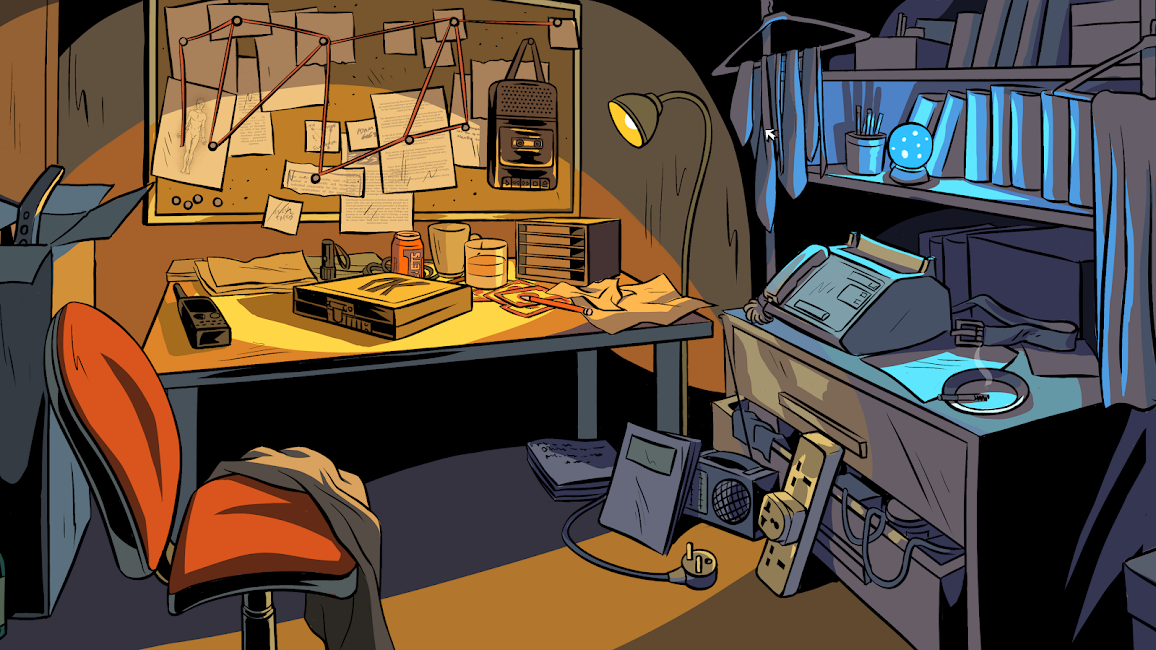
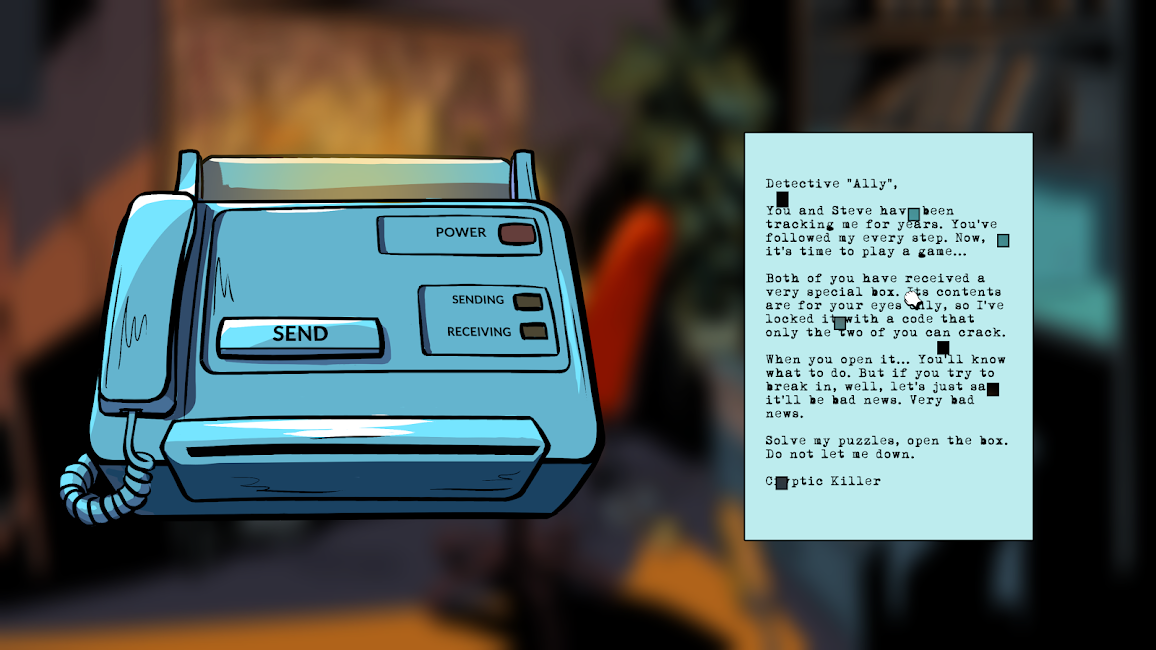
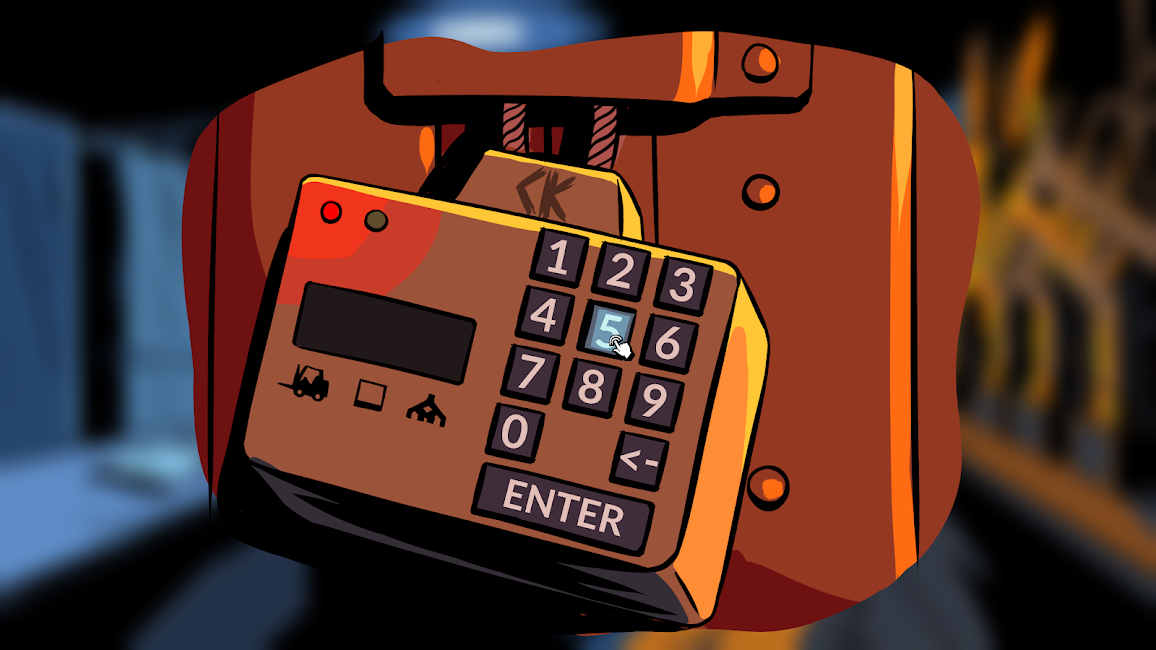
Unsolved Case is a free, standalone two-player cooperative point-and-click puzzle game that acts as a prequel to the Cryptic Killer series; Unsolved Case places players in the roles of detectives Old Dog and Ally as they collaborate across separate devices to investigate a mysterious locked box. This introduction describes the core gameplay, controls, progression, visual style, and practical limitations so you know what to expect before you download.
Key features and gameplay focus
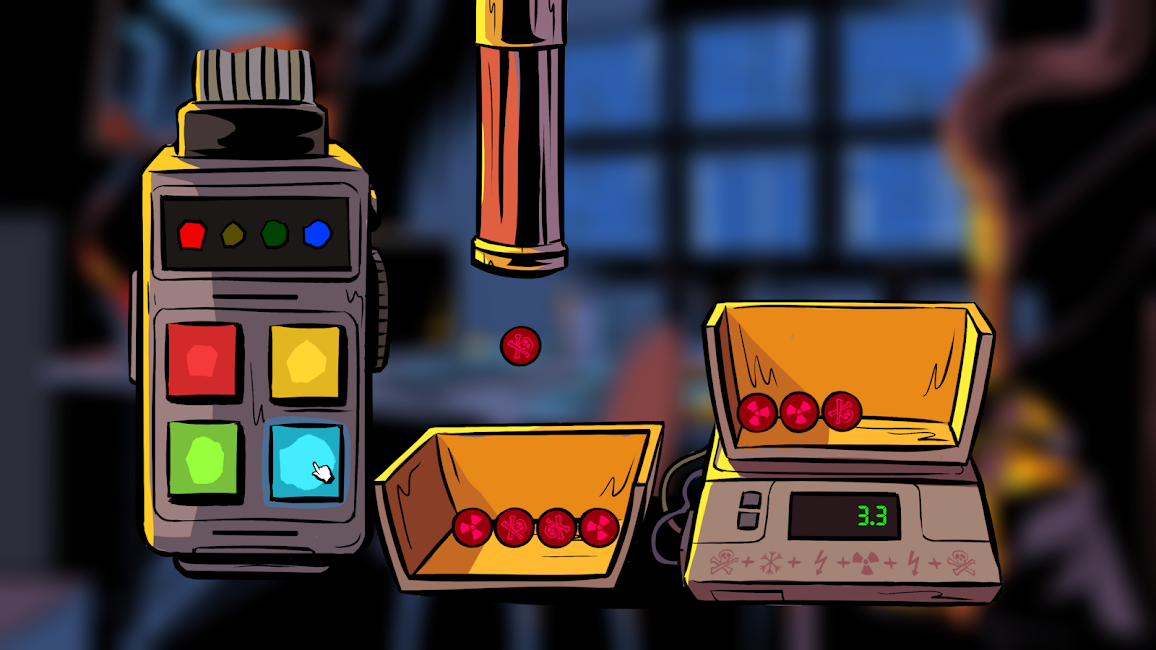
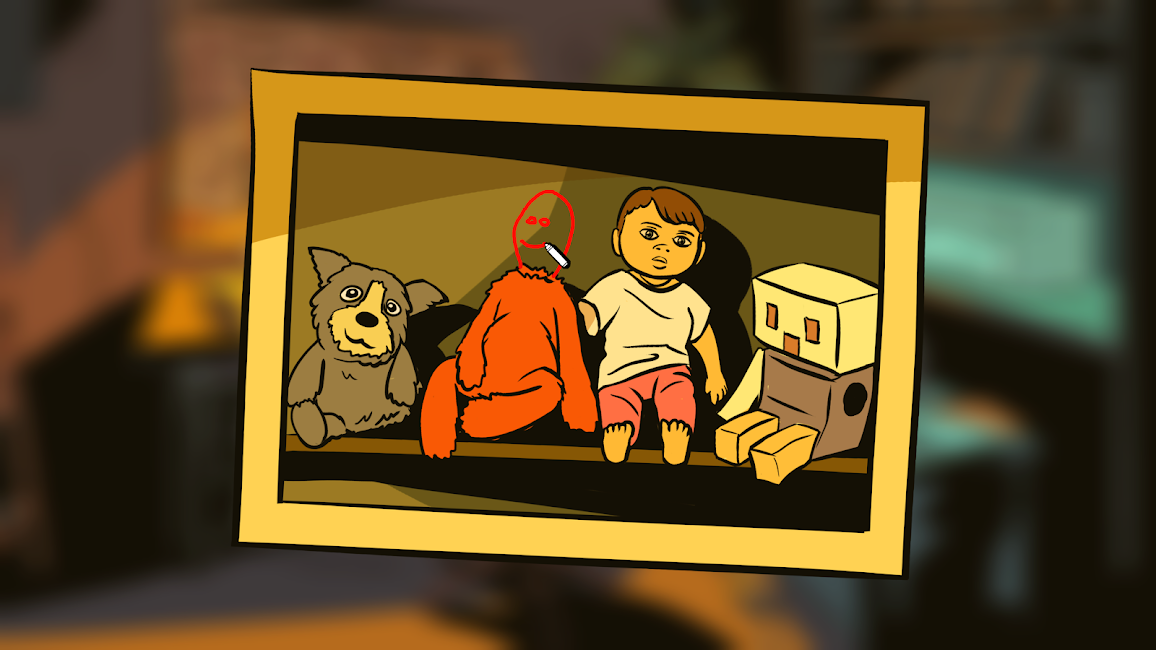
The central experience in Unsolved Case is a focused, 30–60 minute cooperative session built around careful observation, logical deduction, and constant communication. Each player sees different clues and partial information, so progress depends on describing discoveries, comparing notes, and combining context from both screens. The puzzles include code-breaking, pattern recognition, object interaction, and environment-based logic that encourage both players to adopt complementary roles—one may examine items closely while the other interprets spatial relationships or deciphers ciphered text.
Controls and interface
Controls are designed to be intuitive on touch devices: tap to inspect, drag to move objects, pinch or swipe where zooming and panning are needed, and simple gestures to rotate items or reveal hidden surfaces. The interface favors large touch targets and clear visual affordances so players with varying dexterity can interact comfortably. An in-game notebook and drawing tools let either player jot down observations, sketch connections, and highlight parts of the environment during play; notes persist for the session so teams can refer back without losing context.
Progression and level structure
Rather than a campaign with multiple cases, Unsolved Case offers a single, carefully structured investigation composed of connected scenes and modular puzzle segments. The case unfolds in stages: initial examination of the locked box and its surroundings, discovery of linked clues across locations, a sequence of interdependent puzzles that gradually increase in difficulty, and a final resolution segment that brings the threads together. Progression is linear by design to preserve narrative clarity and the intended 30–60 minute runtime, but the modular puzzle design means each playthrough can emphasize different approaches to clue interpretation.
Visual style, atmosphere, and audio cues
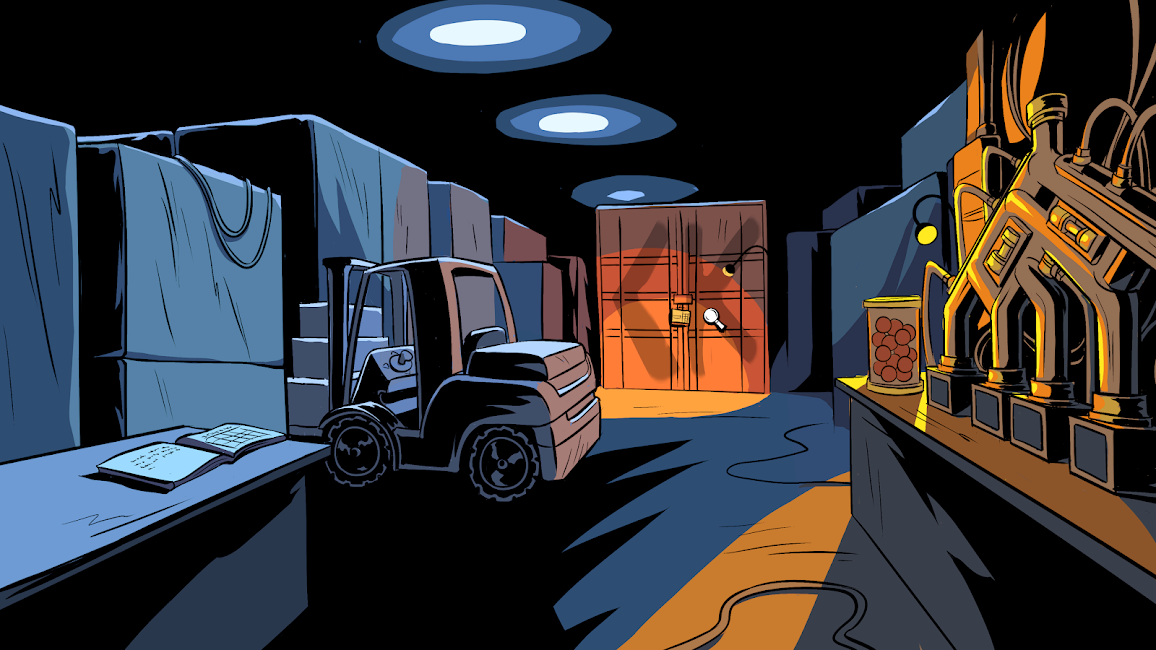
The game uses hand-illustrated, noir-inspired environments to establish a moody investigative tone. Visual design prioritizes readable contrasts and clear object silhouettes so clues remain legible even when detail is atmospheric. Subtle audio cues and ambient sound help emphasize puzzle feedback and draw attention to interactive elements without relying on loud or intrusive effects; this keeps the focus on collaboration rather than reflex-driven mechanics.
Replay value, challenge systems, and customization
Replay value in Unsolved Case comes from the social dynamics of cooperative play: different partners will interpret clues differently, try alternate communication strategies, and discover varied routes to the solution. While the main puzzle set remains consistent, timing, annotation choices, and the order in which players combine clues create lightly varied experiences. Customization centers on the in-game notebook and drawing tools rather than cosmetic changes; players can organize notes, annotate screenshots, and adapt how they record information to suit their cooperative style.
Multiplayer requirements, offline play, and user experience
Because the two-player design depends on distinct perspectives shown on separate devices, an internet connection and voice communication are required for the intended experience; local offline co-op is not supported. Both players must own a copy of the game on separate devices to participate. The app is distributed without ads or microtransactions, providing an uninterrupted session focused on problem solving. Matchmaking or ranking features are not part of this release—Unsolved Case emphasizes direct coordination between friends or prearranged partners rather than anonymous online competition.
Accessibility, device compatibility, and limitations
The interface favors clarity: readable text sizes, simple touch interactions, and a minimal HUD reduce cognitive load during cooperative play. While basic accessibility considerations are integrated into the design, players relying on voice chat should plan for clear communication tools on their devices. Notable limitations include the requirement for two players on separate devices and the short single-case runtime, which may feel brief to players who prefer longer narrative campaigns. That said, the compact length is intentional and designed to deliver a full investigative experience in a single sitting without filler.
Show More