Dreamer Life
Version:0.2
Published:2026-08-11
Introduction
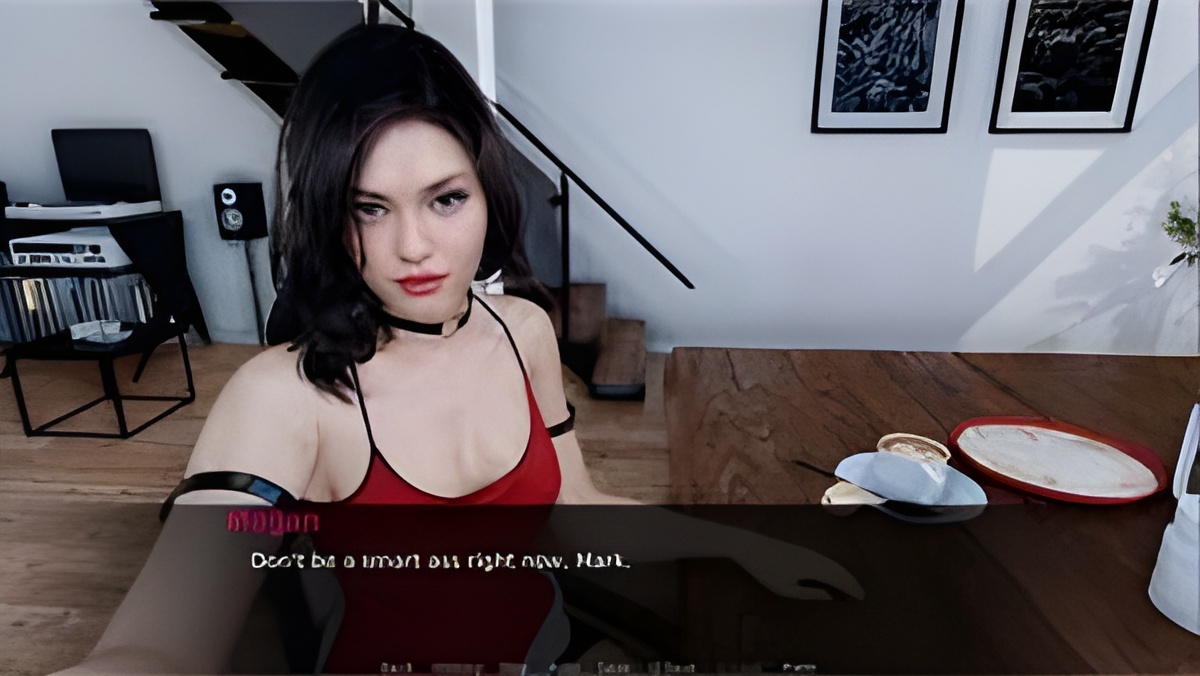
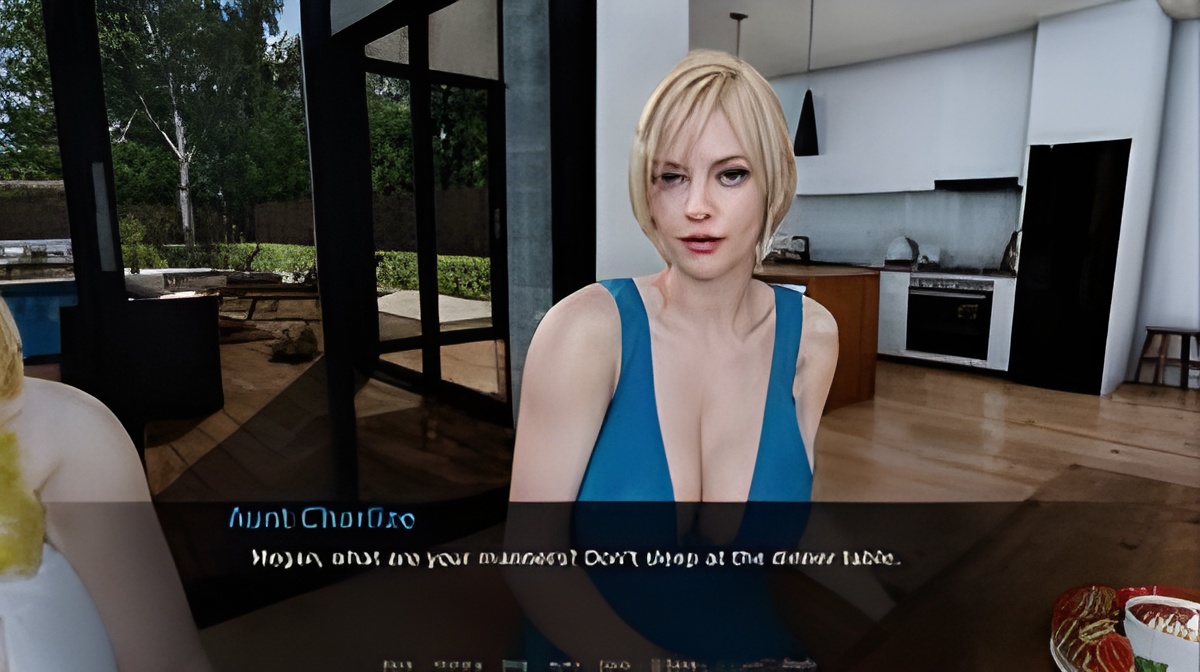
Dreamer Life is a quiet, narrative-focused single-player game that follows a young protagonist rebuilding after a breakup and staying with an old friend while figuring out what comes next. This introduction to Dreamer Life frames the experience as a series of small social moments, realistic interactions, and slow, reflective pacing rather than action or spectacle. The tone is intimate and observational: players move through domestic scenes, navigate awkward reunions with a friend’s family, and make choices that alter emotional beats and relationships over time.
Key features
The core of the experience is conversation and choice, presented as linked episodes rather than levels. Dialogue trees and contextual options guide how relationships shift, with many encounters focused on everyday activities like shared meals, short walks through neighborhoods, and unplanned meetings that reveal backstory. Episodes are designed to breathe—each scene has a clear mood and pacing so the narrative unfolds naturally. Rather than relying on scores, the game emphasizes emotional consequence and the accumulation of small decisions.
Gameplay and controls
Gameplay centers on reading scenes, selecting dialogue, and occasionally choosing how to spend time. Controls are touch-first: tap to advance text, tap or swipe to choose responses, and use unobtrusive on-screen prompts to inspect the environment or start conversations. Interaction is deliberately lightweight to keep attention on the story and characters; there are no reflex challenges, and contextual actions are limited to what serves each narrative moment. Subtle choices can unlock alternate reactions from NPCs and open new scene options later on.
Progression and structure
Progression is driven by narrative milestones rather than mechanical leveling. The story advances through episodes that unlock as you complete key scenes and deepen relationships. Choices affect short-term NPC reactions and can influence which episodes are available later, creating branching moments and alternative emotional arcs. The structure encourages revisiting locations to discover different interactions, and episodic pacing makes it easy to play in short sessions without losing continuity.
Visual style and audio
The presentation favors an intimate, hand-crafted aesthetic: soft color palettes, textured character portraits, and environmental details like rain-streaked windows or a cluttered kitchen table. Visuals lean toward illustration rather than photorealism, which supports the personal scale of the story. Sound design uses ambient city noise and restrained cues to underscore mood—muted traffic, distant conversations, and minimal musical motifs—to reinforce emotional moments without overwhelming them.
Customization and replay value
Customization is modest and narrative-focused: you shape the protagonist's responses, tone, and some personal details that appear visually in scenes. Choices about mood and small wardrobe items provide subtle variation rather than deep systems. Replay value comes from exploring different conversational paths, unlocking alternate scenes, and experiencing varied emotional resolutions. Multiple endings and scene variants encourage players to return and test how different choices change relationships and outcomes.
Accessibility and user experience
The interface prioritizes readability and ease of navigation: adjustable text size, high-contrast options, and a backlog of previous lines let you follow conversations clearly. Pacing controls include skip and auto-advance for faster playthroughs, while manual pause and frequent save points make it easy to stop and resume. These features aim to make the game approachable for a broad range of players, including those who prefer contemplative, low-pressure experiences.
Offline play and performance
Designed as a single-player experience, the game runs locally and supports offline play so you can take the story with you without a constant connection. Performance focuses on smooth scene transitions, responsive touch controls, and modest resource use rather than heavy animations, making the title suitable for a wide range of devices. Memory and CPU demands are kept low to prioritize stability during longer reading sessions.
Strengths and considerations
The strengths include a relatable focus on heartbreak and friendship, well-crafted character interactions, and a deliberate, reflective pace that will suit players who enjoy mood-driven storytelling. Dreamer Life is best appreciated by those who prefer narrative nuance over conventional gameplay challenges; players seeking fast action or tightly resolved endings may find the open-ended emotional approach less satisfying. Overall, the game offers a thoughtful, low-stress narrative experience with meaningful choices, gentle presentation, and clear accessibility options.
Show More