Stuck at Home
Version:0.1.0
Published:2026-08-13
Introduction
Stuck at Home is a narrative-driven indie experience that places you in the shoes of a recently unemployed protagonist who must move back in with family during a pandemic quarantine. Stuck at Home captures the everyday awkwardness of close‑quarters living through short scenes, observation-led humor and quietly tense moments rather than fast action. The game is designed for players who enjoy character-led stories, slow-burn interpersonal drama and small decisions that change the tone of a scene; it focuses on dialogue, timing and situational choices to build an intimate, reflective play session.
Key features
This game emphasizes narrative structure, character interaction and slice-of-life situations. Instead of combat or skill trees, Stuck at Home centers on branching conversations, reactive household encounters and situational prompts that explore pride, embarrassment and family dynamics. Scenes are short and focused so you can play in brief sittings or progress through a sequence of days. The writing aims for naturalistic humor and awkward realism, and the pacing leans toward reflection and character beats rather than mechanical complexity.
Gameplay mechanics
Gameplay rests on scene-based interactions and choice-driven narrative flow. You will navigate a series of domestic vignettes where dialogue options and small practical actions determine how relationships shift and which scenes unlock later. Tasks such as negotiating shared spaces, resolving minor misunderstandings or handling household chores become narrative devices rather than time trials. Puzzles are light and contextual, often taking the form of inventory-light object interactions or timing choices that affect mood and immediate consequences.
Controls and progression
Controls are simple and mobile-friendly: tap to advance dialogue, swipe to review previous text and choose from clearly labeled options when decisions appear. There are no complex gestures or action combos to master, so the focus stays on reading and observation. Progression is chapter-based, organized into consecutive days or episodes of quarantine, with each chapter resolving into new interpersonal outcomes. Choices carry weight across chapters, creating branching paths that lead to different scenes and subtle variations in how events unfold.
Visual style and level structure
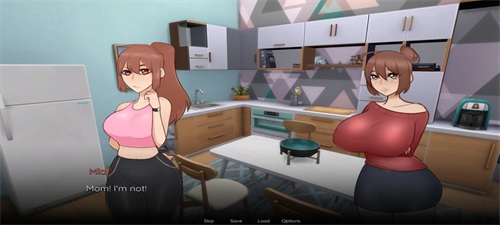
The visual presentation is intentionally modest and character-focused, using hand-illustrated scenes and expressive character portraits to underscore emotions and small physical details. Backgrounds emphasize domestic spaces — the living room, kitchen, shared bathroom — and lighting and framing help convey mood during awkward exchanges. Level structure is episodic rather than open world: each episode is a contained day with a handful of scenes that can be replayed to explore alternate dialogue branches and outcomes.
Customization and replay value
Customization is kept lightweight and narrative-centric. You can make conversational choices that subtly shape the protagonist's tone and, in some scenes, select small aesthetic options such as clothing or room arrangement that alter how other characters react. Replay value comes from branching conversations and optional scene variations; replaying chapters with different choices reveals new lines of dialogue and alternative endings to particular encounters, encouraging multiple short playthroughs to see different outcomes.
Accessibility and offline play
Stuck at Home was built with accessibility in mind. Text size and contrast options help readability, subtitles are available for all spoken lines, and an auto-advance feature lets you follow scenes without repeated taps. The interface uses clear visual cues for interactive elements and avoids fast time pressure so readers can take their time. The game is a single-player experience that runs fully offline after installation, making it suitable for play without a persistent network connection.
User experience and challenge systems
The user experience emphasizes low-pressure emotional engagement rather than high-stakes challenges. Optional light challenges appear as time-limited conversational windows or small tasks that influence relationship meters and unlock alternate scenes; these are balanced so they remain optional and never block the main narrative. The design aims to create a relatable rhythm of small victories and awkward setbacks, inviting players to reflect on domestic dynamics without demanding intensive mechanical skill.
Who will enjoy it
Readers and players who prefer character development, quiet humor and observational storytelling will find Stuck at Home rewarding. It is suitable for short play sessions or extended reading, with an emphasis on accessibility and emotional nuance. The game does not rely on action or fast reflexes, so it is approachable for players who want a narrative experience rooted in everyday life and thoughtful small moments.
Show More