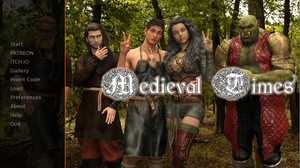
Medieval Times
Version:2.9.1
Published:2026-08-14
Introduction
Medieval Times is a narrative-driven single-player experience that follows Bennett and the inhabitants of the village of Nemerion, blending episodic exploration with character-based storytelling. In Medieval Times the emphasis is on quiet discovery, personal relationships and the small rhythms of medieval village life rather than combat or large-scale action. The game presents mature themes and intimate scenes intended for adult audiences, handled as part of broader emotional arcs rather than explicit erotica; content warnings and parental guidance are noted so players understand the tone before they begin.
Gameplay and Controls
The core gameplay centers on conversation, exploration and decision-making. Players navigate Bennett through the village using a simple tap-driven interface optimized for touch devices: tap to move, tap to interact and choose from dialog options presented on-screen. Scenes play out like interactive chapters where dialogue choices, timing and small inventory interactions influence immediate outcomes and longer-term relationships. Occasional light puzzles and observational tasks add variety, asking you to find items, interpret clues or manage a short sequence of choices under time pressure to heighten tension without introducing complex mechanics.
Progression and Choices
Progression in Medieval Times is organized into episodic chapters that unlock as you complete narrative beats. Decisions during conversations and the way you invest in particular relationships change subsequent scenes and can open or close story paths. Rather than a level-based skill curve, progression is narrative-driven: character development, unlocked scenes and alternate endings reflect how you prioritize community ties and personal choices. A relationship tracking system records major choices so players can see how interactions shape long-term outcomes, encouraging multiple playthroughs to explore different threads.
Visual Style and Presentation
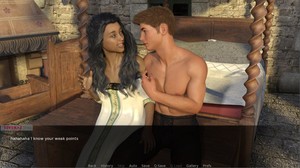
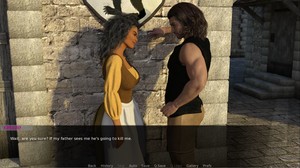
The visual direction favors an intimate, atmospheric approach suited to a compact medieval village setting. Art leans toward painterly backgrounds and character portraits that emphasize mood and expression rather than high-detail realism. Subtle weather and lighting effects support the game’s slow-burn tone, helping convey time of day, seasons and emotional shifts in scenes. Voice snippets, ambient sound and a restrained musical score are used sparingly to enhance immersion while keeping focus on text-driven storytelling.
Level Structure and Replay Value
Each chapter functions as a self-contained episode within a larger arc, allowing you to play in short bursts or follow the full narrative in sequence. Because choices lead to branching scenes and different relationship outcomes, Medieval Times rewards repeat playthroughs to uncover alternate conversations and endings. New dialogues and encounters become available when you revisit characters with different approaches, so even a modest playtime can reveal substantially different story beats on a second or third run.
Customization and User Experience
Customization is subtle and narrative-focused: small visual options and scene choices let you shape Bennett’s presentation and responses without turning the game into a simulation. The user interface emphasizes readability and ease of access, with clear dialog windows, a history log for recent conversations and an in-game journal that tracks key events and relationship statuses. Menus are designed for quick navigation so players can focus on story rather than configuration.
Accessibility and Safety
Medieval Times includes accessibility options that reflect the game's narrative-first design: adjustable text size, subtitle toggles and contrast settings help make dialogs easier to follow on a range of devices. Because the title contains adult themes, visible content warnings appear before mature scenes and there is an optional setting to reduce or skip intimate content, giving players control over their experience while preserving the story structure. The tone aims to remain informative and respectful rather than explicit.
Offline Play and Performance
The game is built for single-player offline use so you can play without a constant internet connection; save points and chapter checkpoints allow you to pause and resume progress conveniently. Performance is optimized for a wide range of Android hardware, favoring smooth transitions and stable frame pacing over heavy graphical demands. Battery and background resource usage are kept reasonable to support longer reading and exploration sessions.
Challenge Systems and Target Audience
Challenges in Medieval Times come from narrative pressure rather than arcade difficulty: moral dilemmas, timed choices and relationship management require attention and thoughtful responses. Players who enjoy character-driven adventures, slow-burn storytelling and atmosphere-focused design will find the game rewarding. Those seeking fast action or complex mechanical systems may prefer other titles, but anyone interested in a focused, mature narrative set in a small medieval community can explore Bennett’s story and the many lives that intersect in Nemerion.
Show More