Rick And Morty
Version:1.0
Published:2026-08-15
Introduction
Rick And Morty is a single-player narrative exploration game that puts you in Morty’s shoes as you wander a compact, character-filled town, engage residents in conversation, and shape relationships through repeated interactions and branching dialogue. In this edition of the game the emphasis is on quiet discovery and character work rather than action, so Rick And Morty asks players to slow down, watch routines unfold, and learn how conversational choices open different scenes and outcomes.
Gameplay and Core Mechanics
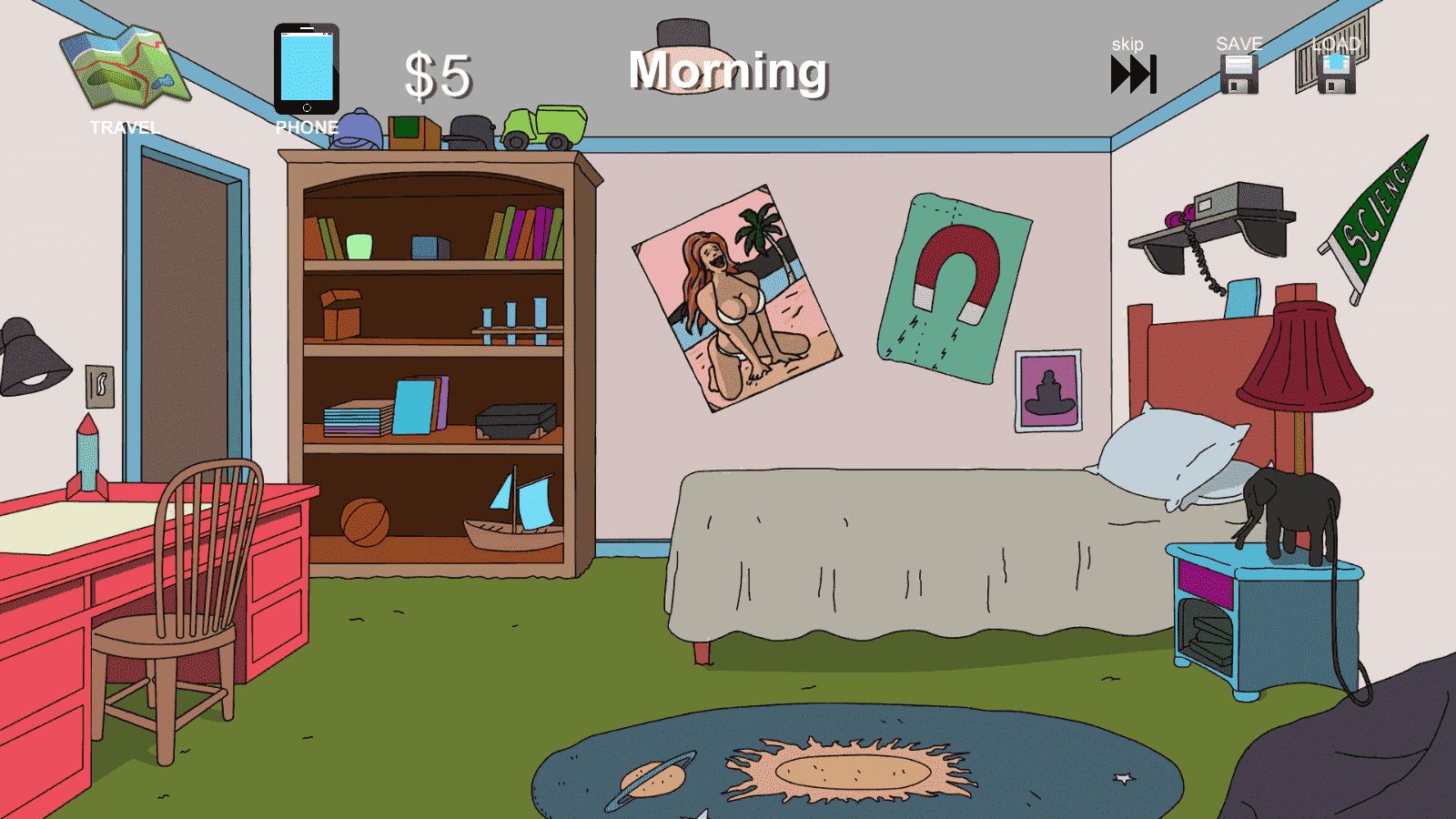
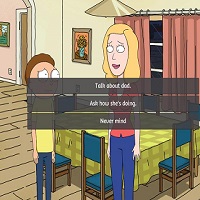
The core gameplay is exploration-based: you guide Morty through streets, shops and indoor locations to trigger short, scene-driven encounters. Movement and interaction are designed around touch-friendly prompts—tap-to-interact is the primary input and optional swipe gestures help adjust camera angles or move between nearby points of interest. Conversations use branching dialogue choices that are easy to revisit, and most exchanges are intentionally low-pressure so you can read responses and consider options without a time limit. Scenes are compact and focused, encouraging close attention to character details and timing.
Controls and Mobile-Friendly Design
Controls are streamlined for mobile play. Taps initiate interactions, long-presses reveal additional context, and simple swipe gestures smooth camera adjustments; no complex gestures are required. Menus are arranged for one-handed operation on typical phone screens, and prompts are clear to keep interactions intuitive. The control scheme is designed to let players focus on narrative choices rather than learning complicated inputs, which makes the title accessible to both new and experienced mobile players.
Progression and Relationship Systems
Progression is driven by relationship development and scene unlocking rather than traditional XP or combat. Each character has an affinity or trust state that changes with repeated visits and particular dialogue choices; raising affinity unlocks new reactions, scenes and opportunities. As you prioritize different residents, previously unavailable paths can reopen and new locations or story beats become visible. This relationship-first approach produces a steady, organic sense of progress without forcing repetitive grinding.
Visual Style and Level Structure
The presentation favors readable, character-focused visuals that highlight expression and personality during conversations rather than high-fidelity graphics. The town is divided into neighborhoods and indoor spaces that are compact and easy to navigate on small screens; each area hosts a handful of characters and situational encounters to make exploration feel rewarding and manageable. Ambient sound design and modest animations support the atmosphere and help players sense the rhythm of daily life while keeping performance demands low.
Customization and Personalization
Although Morty is the single protagonist, the experience offers meaningful personalization through conversational choices and the order in which you befriend residents. Small cosmetic touches in scenes reflect Morty’s current state, and these visual cues communicate progress without changing gameplay balance. The primary customization is narrative: prioritizing certain characters or revisiting specific dialogue branches shapes the tone and outcome of your visits to each location, producing unique playthroughs based on player decisions.
Replay Value and Branching Outcomes
The branching structure encourages replayability: because relationships unlock different scenes, returning to the town with a new social strategy reveals conversations you may have missed. Short play sessions are supported alongside longer explorations, and replaying with different priorities yields fresh discoveries rather than repeating the same content. Players who enjoy completion-focused exploration can pursue alternate friendship paths to uncover all available scenes.
User Experience and Accessibility
The interface prioritizes clarity with readable dialogue text, adjustable tap target sizes, and straightforward prompts to guide interactions. There are options to repeat lines or review recent conversations so narrative threads remain easy to follow, and the relaxed pace benefits players who prefer thoughtfulness over reflex challenges. Menus and controls are kept simple to reduce friction, making the game approachable for a broad audience including those new to mobile narrative titles.
Offline Play, Performance and Saving
Rick And Morty is designed for local, single-player play without reliance on persistent online services, so you can explore and advance relationships while offline. Saved progress is stored locally, allowing you to pick up where you left off without network requirements. The project is optimized for smooth performance on a range of Android devices by limiting background processing and keeping level design compact to preserve battery life during longer sessions.
Challenge Systems and Pacing
Challenges are primarily social and observational: timing visits, remembering details from prior conversations, and selecting dialogue that opens new scenes form the core difficulty curve. The pacing is deliberately gentle, but missed opportunities and shifting relationship states create a subtle tension for players who aim to see every outcome. This balance supports relaxed exploration as well as more focused play for those pursuing completion.
Overall, Rick And Morty delivers a measured, character-driven narrative experience focused on social interaction, dialogue branching and discovery, offering a compact town full of small stories to explore at your own pace.
Show More