Undercover
Version:2.0
Published:2026-08-18
Introduction
Undercover is a narrative-driven mobile game that places you in the role of a determined protagonist navigating repeated denials and social barriers while she tries to achieve a risky goal that others said was impossible. Undercover focuses on persuasive conversation, careful relationship management and tense moral choices as you attempt to win over doubters, sway skeptical characters and keep key alliances intact. The game balances emotional stakes with measurable systems so each small choice matters; players who enjoy character-first storytelling and branching dialogue will find Undercover offers a compact but layered experience in which persuasion, timing and empathy reshape outcomes.
Key features
The core of the experience is a dialogue-driven persuasion mechanic that challenges you to read reactions, pick the right tone and weigh honesty against tactical responses. A visible love point system tracks relationships and shifts how NPCs respond to later requests, creating cascading consequences across chapters. Encounters include allies such as Mike and a rotating cast of skeptical figures who respond differently depending on earlier interactions, so conversations feel dynamic instead of scripted. Choices influence immediate scenes and open or close paths, with stakes communicated clearly so players can plan strategies rather than guessing at hidden variables.
Gameplay mechanics and progression
Gameplay is organized into discrete scenes and chapters that unfold through conversation trees and situational decisions. Progression is primarily narrative: as you move through chapters, incoming challenges require different persuasive approaches and sometimes a willingness to risk a damaged relationship for a larger objective. The love point system is both a progress tracker and a gameplay constraint, prompting trade-offs between short-term gains and long-term stability. Multiple narrative branches and varied scene outcomes provide natural replay value, encouraging players to experiment with different tactics to see how small changes alter the ending.
Controls and user experience
The interface is designed for simple touch controls: tap to advance text, select dialogue options with a single touch and review relationship status through an accessible status screen. Dialogue choices are presented clearly with context, and the pacing keeps scenes readable without unnecessary delay. The UI highlights current persuasion targets and shows how choices may affect love points, making it easier to plan moves during tense exchanges. For readers who prefer a slower pace, text pacing controls and skip options allow customization of how quickly scenes progress.
Visual style and level structure
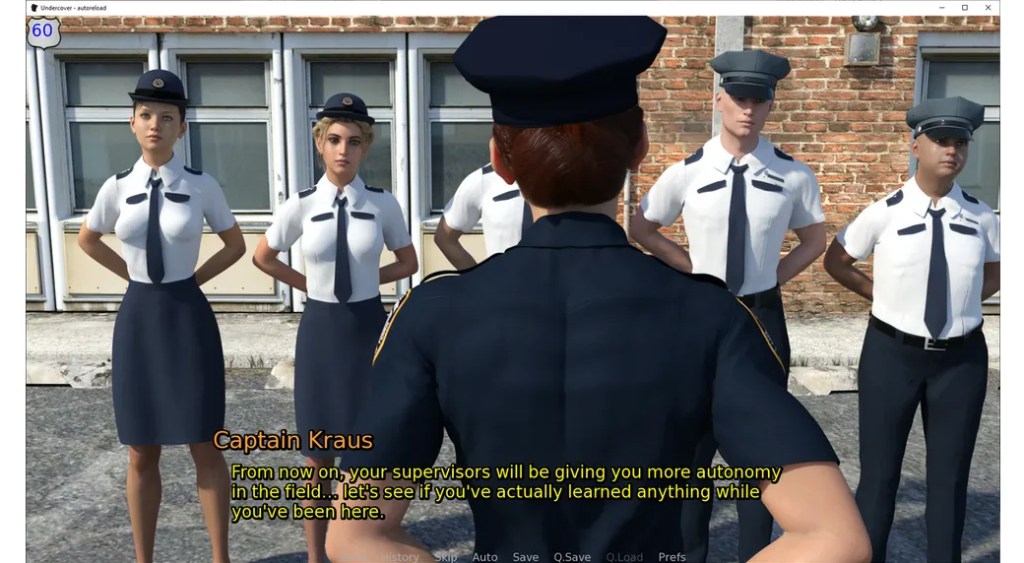
Undercover uses a character-focused presentation with strong emphasis on written dialogue supported by expressive portraits and atmospheric backgrounds. Scenes are framed to emphasize intimate encounters and emotional beats rather than flashy action sequences. The level structure is chapter-based, with each chapter presenting a set of related encounters and a central objective that ties the scenes together. This structure keeps sessions approachable for short play windows while supporting a longer, cohesive storyline when played through consecutively.
Customization, accessibility and offline play
While the narrative and persuasion systems remain the gameplay core, players can shape their approach by selecting different conversational tones and prioritizing certain relationships, creating a personalized playstyle more akin to role interpretation than numerical build paths. Accessibility options include adjustable text size and pacing settings so the game is comfortable for a range of reading preferences, and contrast-friendly UI choices help with legibility. The game is designed to be playable offline for most of its story-driven content, allowing players to step through chapters without a constant network connection.
Challenge systems and replay value
Challenge comes from social friction rather than combat: skeptical NPCs escalate persuasion difficulty as you progress and certain chapters introduce time-sensitive moments where persuasion and timing must align. Because decisions have measurable consequences through the love point system and branching scenes, the best way to uncover everything is replaying chapters with new strategies. Different endings and mid-game forks reward experimentation, and the presence of memorable supporting characters makes each replay feel distinct as you try alternative approaches to win trust or challenge opposition.
What to expect
Expect a compact, emotionally driven experience centered on conversation, strategic relationship management and moral compromise. The game emphasizes meaningful choices over busywork, offering clear feedback on how persuasion and relationships drive the plot. Players who enjoy focused storytelling, character study and tension-filled dialogue will find the systems rewarding and accessible, and the chapter structure makes it easy to play at your own pace whether you are exploring the story for the first time or revisiting for different outcomes.
Show More