Lost Hope
Version:0.08
Published:2026-08-24
Introduction
Lost Hope is a narrative-driven visual novel game that places player choice at the center of a slow-burning coming-of-age story; Lost Hope follows a young man who must piece together a difficult family history while navigating early romantic and emotional experiences. The opening chapters establish the protagonist’s uncertainty about his father and introduce several central figures whose reactions and relationships will be shaped by your dialogue choices and reputation management. This description focuses on the game elements, interface, and accessibility so prospective players understand what to expect before installation.
Gameplay and mechanics
The core of Lost Hope is choice-based storytelling: progress is earned by reading scenes and selecting from branching dialogue options that affect character relationships, story beats, and future interaction opportunities. Choices alter numerical reputation and intimacy meters that act as signals for how scenes unfold, and those metrics influence which narrative branches become available. The pacing emphasizes reflective character moments rather than action sequences, encouraging players to consider tone, timing, and context when they respond. Scenes may lead to subtle shifts in group dynamics and occasionally open romantic or platonic paths depending on your decisions.
Controls and user interface
Designed for clarity on phones and tablets, Lost Hope uses simple touch controls to keep attention on the writing. Most interactions are handled through tap-to-advance, on-screen choice selection, and optional auto-advance for hands-off reading. A visible text speed control and a scene backlog let readers adjust the pace and review recent dialogue without losing their place. Multiple save slots are provided so players can experiment with different approaches and return to earlier decision points, and contextual prompts make it clear when a choice will have longer-term consequences.
Progression, endings, and replay value
Progression in Lost Hope is chapter-based and driven by accumulated choices rather than traditional leveling or combat systems. As relationships with core characters evolve, new branches open and previously unavailable scenes can appear, leading to multiple distinct endings shaped by cumulative decisions. This layered branching structure rewards replaying with different strategies—revisiting chapters with alternate choices reveals new emotional beats, different dialogue, and varied resolutions that encourage exploration of the full narrative map.
Visual style and presentation
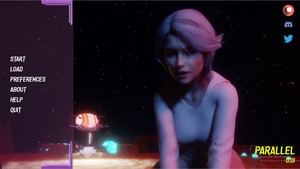
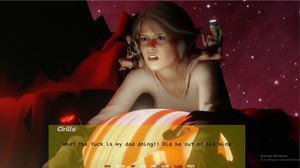
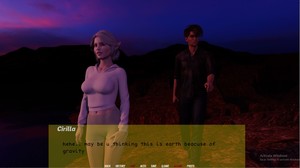
The game emphasizes expressive character artwork and atmospheric backgrounds to support tone and mood. Portraits and scene framing are used to highlight emotional shifts during intimate or tense moments while color palettes and lighting help mark changes in time and setting. Illustrations complement the writing rather than dominate it, helping players connect to the cast through subtle visual cues and framed compositions that reinforce the narrative focus.
Level structure and pacing
Rather than discrete levels, Lost Hope is organized into episodic segments punctuated by key decision points. Each segment builds on earlier choices and can introduce new opportunities or close off certain threads, allowing the story to breathe while still moving forward. The pacing balances quieter character study with more intense confrontations so that the narrative gains momentum gradually and moments of heightened emotion feel earned within the broader structure.
Customization and personalization
Customization centers on shaping the protagonist’s personality through dialogue rather than cosmetic options. Your choices determine how the main character is perceived—whether reserved, conciliatory, confrontational, or supportive—and those behavioral cues affect who trusts him or pulls away. Reputation mechanics and selectable responses let players craft consistent or experimental character types and watch how those patterns influence relationships and story outcomes.
Accessibility and offline play
Lost Hope includes adjustable text size and speed to make long reading sessions comfortable across device sizes, and the interface uses minimal controls to reduce friction for new players. Once installed, the game is playable offline so you can continue the story during travel or without a steady internet connection. These design choices aim to make the narrative available to a wide range of players, including those who prefer low-complexity interaction models.
Challenge systems and user experience
The primary challenges in Lost Hope are interpretive and moral: managing reputation, reading character cues, and anticipating the long-term effects of seemingly small choices. This creates a reward loop where thoughtful engagement and replay reveal how decisions accumulate into major outcomes. The writing and in-game feedback make cause-and-effect clear, helping players learn from past runs and refine their approach to unlock alternate scenes and endings.
Show More