Annika’s Breakout
Version:0.0.2
Published:2026-08-25
Introduction
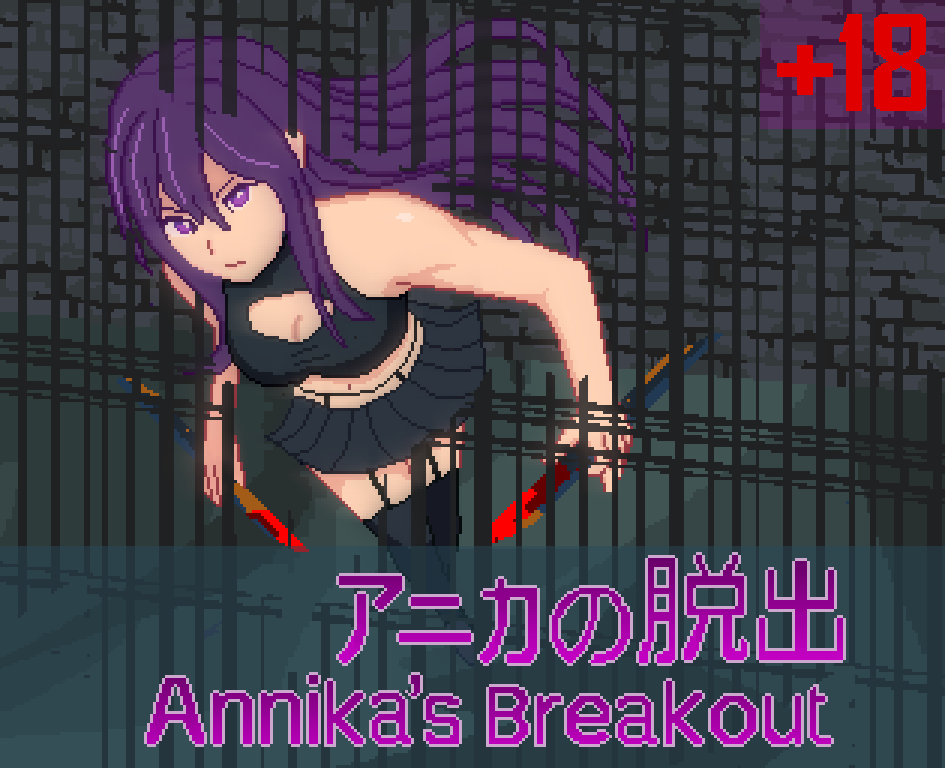
Annika’s Breakout is a demo action-adventure built around a focused rescue-and-escape premise. In Annika’s Breakout you take control of the titular protagonist as she fights to free her sister from a grim prison complex, recruit allies, and explore multiple tactical solutions for each encounter. This early build emphasizes clear, playable systems that reveal how choices around equipment, movement, and companion behavior influence both appearance and outcomes in confined, scene-based levels.
Key Features
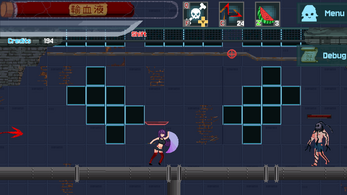
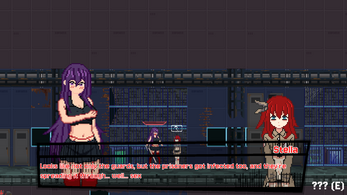
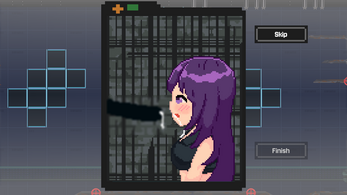
The demo concentrates on a handful of systems that work together to create meaningful decisions: a visible state panel that tracks stamina, injuries, and temporary effects; stat-driven gear that changes both how Annika performs and how she looks; and a recruitment framework that lets NPC interactions shift the options available in an encounter. Story elements are delivered through compact scene interactions and NPC responses rather than extended cutscenes, keeping pacing brisk while still supporting emergent narrative beats driven by player decisions.
Gameplay and Controls
Gameplay in this demo favors tactical improvisation and short, focused encounters over lengthy combat sequences. On-screen controls are optimized for touch: a virtual joystick handles movement while context-sensitive action buttons manage interactions, combat moves, and dialogue prompts. Controls support simple taps to interact, hold gestures for extended tasks such as forcing a lock or performing a careful search, and optional remapping to accommodate different hand positions. The design aims to make core actions feel intuitive on mobile devices while allowing room for nuanced decisions like when to fight, when to hide, and when to use recruited allies to create opportunities.
Progression and Replay Value
Progression in this early build is driven primarily by gear and loadout choices rather than a deep skill tree. Equipment and outfits apply stat modifiers that affect movement speed, stealth, detection thresholds, and combat effectiveness, so the same scene can play very differently depending on your loadout. Companion recruitment also changes dynamics: an ally with good persuasion may open nonviolent solutions to a confrontation, while a stronger companion enables more direct tactics. These variables encourage replaying scenes to experiment with different roles—scout, brawler, or negotiator—and to discover alternate routes and outcomes.
Customization and Visual Feedback
Customization in the demo is both cosmetic and mechanical. Changing gear updates Annika’s visible silhouette and outfits in-scene, so players can immediately see how equipment choices affect appearance and behavior. Stat modifiers are shown in concise tooltips and reflected in the state panel, which helps players compare loadouts and make informed decisions before entering a scene. The visual feedback loop is designed to reduce ambiguity about how items influence gameplay while preserving the thrill of adapting to unexpected situations inside the prison.
Level Structure and Challenge Systems
Levels are organized as a sequence of interconnected scenes within a compact prison complex. Each scene focuses on a specific challenge—sneaking past guards, recruiting a wary inmate, or using the environment to create distractions—and can be approached with different strategies depending on gear and companions. Challenge systems reward awareness of the environment, resource management, and timing; for example, limited stamina affects how long Annika can sprint or fight, while injury states may impose penalties that require tactical adjustments or reliance on allies to compensate.
Visual Style and Performance
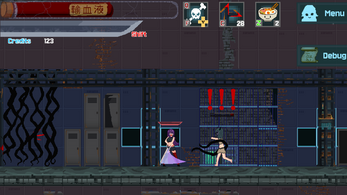
The game uses moody, atmospheric interiors with readable character silhouettes to keep action clear on small screens. Lighting and contrast are tuned to emphasize player-relevant details—cover points, interactive objects, and NPC posture—so decisions remain legible even in visually dense scenes. The demo prioritizes steady performance on a wide range of devices and includes visual fidelity options to help balance clarity and frame rate for older hardware.
User Experience, Accessibility and Offline Play
User experience is supported by a clean HUD that highlights the state panel, concise on-screen prompts, and clear icons for gear effects. Accessibility options in this demo include adjustable UI scale, subtitle toggles for narrative text, and sensitivity settings for the virtual joystick to accommodate different device sizes and control preferences. The demo is playable offline for single-player sessions, so you can experiment with loadouts and replay encounters without a persistent network connection.
Known Limitations and Development Status
As an early release, this demo contains limited content and some rough edges. Expect shorter play sessions, occasional bugs, and placeholder assets in areas planned for additional polish. Several planned features and extended story beats are not implemented in this build; the developer is collecting player feedback to guide priorities for future updates. Reporting issues and sharing constructive suggestions will help shape the next iterations of the game.
About the Developer and Version
Pelitedev Games developed this demo as a preview of core mechanics and to gather community input. Annika’s Breakout is currently available as version 0.0.55, which introduces the customization baseline, stat-driven gear effects, the in-game state panel, and the initial recruitment framework. If you encounter problems or have ideas for improvement, the developer welcomes bug reports and thoughtful feedback to inform upcoming updates and expansions.
Show More