Midnight Terror
Version:1.0
Published:2026-09-10
Introduction
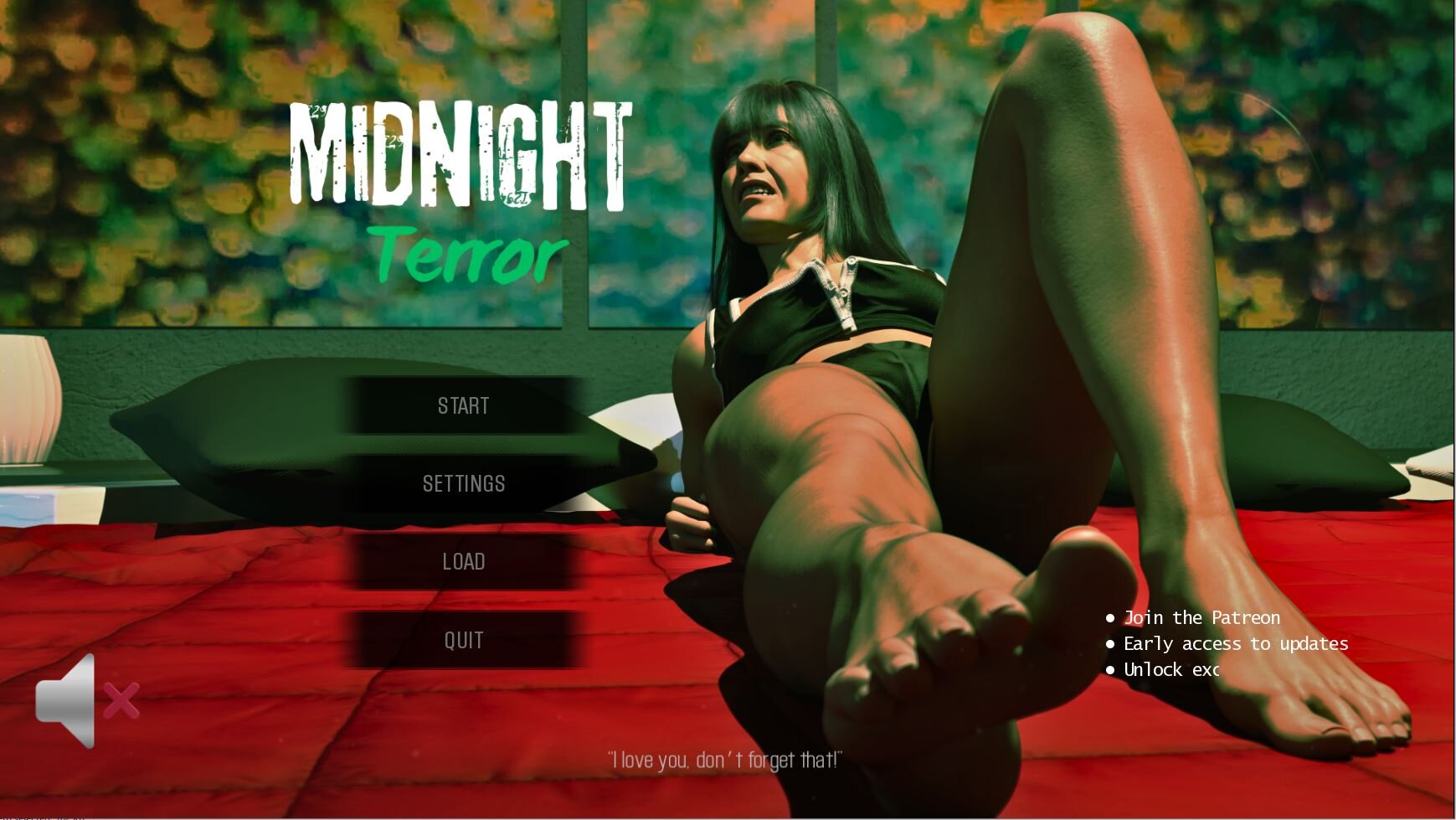
Midnight Terror invites players into a single, nightmarish evening in Tokyo, delivering a narrative-driven horror experience where tense storytelling and moral choices shape every moment. Midnight Terror centers on two protagonists—a young man and his loved one—whose relationship dynamics influence how scenes unfold as an escaped maniac prowls the city and the atmosphere tightens. This editor’s introduction explains core systems, control schemes, progression, accessibility options, and the design priorities that make the game suitable for focused, story-first play sessions.
Gameplay and Controls
The gameplay favors exploration, dialogue-driven choices, and light environmental puzzles rather than combat-heavy mechanics. Interactions are designed for touchscreens: tap to inspect items and environments, long-press to force deeper interactions with complex objects, and contextual prompts appear during critical decision points. Movement through the game is scene-based; you move from one carefully staged set piece to the next, each scene offering dialogue branches, observational tasks, and occasional stealth sequences. Stealth relies on line-of-sight and timing rather than reflex-only mechanics, so careful observation and using the environment to hide or distract threats are emphasized. The control scheme also supports adjustable sensitivity and optional gesture shortcuts for players who prefer quicker navigation through menus and conversations.
Progression and Replayability
Progression follows a chapter structure that mirrors the passage of a single night. Each chapter reveals new psychological trials and deepens character relationships based on your choices. Decisions alter dialogue, unlock alternate scenes, and branch into multiple endings; checkpoints and an autosave system preserve progress at key narrative beats while manual save points let you experiment with different approaches. Replayability is a key design goal: hidden dialogue, alternate routes through environments, and character-specific flashback scenes encourage multiple playthroughs to piece together the full story and better understand motivations behind each character’s actions.
Visual Style and Level Structure
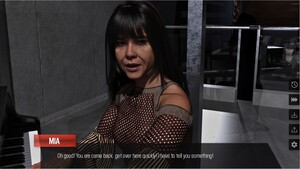
The visual presentation uses moody, atmospheric environments to reflect the characters’ states of mind—neon-lit streets, rain-slick alleys, cramped interiors, and shadowed commuter stations that build tension without relying on constant jump scares. Levels are structured as interconnected scenes with a limited number of meaningful choice points and environmental puzzles in each location. Lighting, color contrast, and sound design are used deliberately to direct player attention; small visual cues point toward interactive elements while ambient audio raises awareness of unseen threats. The goal is to make each locale feel both realistic and suggestive, helping players infer backstory from objects, notes, or overheard conversations.
Customization and User Experience
Customization focuses on comfort and readability rather than purely cosmetic changes. Players can adjust UI scale, text size, and dialogue speed to make long reading sessions comfortable or to speed through familiar passages. Control sensitivity options and context hints help newcomers learn mechanics without disrupting immersion, while clearer HUD toggles allow experienced players to minimize on-screen prompts. The interface uses legible fonts, high-contrast icons, and unobtrusive menus so the narrative remains the primary focus while essential information stays accessible at a glance.
Accessibility and Offline Play
The game is optimized for single-player offline play after installation, making it convenient for commuting or playing without a persistent internet connection. Accessibility options include subtitle toggles, adjustable text speed, a color contrast mode, and full control remapping to accommodate different needs. Audio and subtitle synchronization is emphasized for dialogue-heavy scenes, and an optional simplified timing mode reduces the difficulty of reflex-based segments for players who prefer a less timing-dependent experience. These choices are intended to broaden accessibility without altering core story content.
Challenge Systems and Difficulty
Challenges in Midnight Terror are psychological and situational rather than score-based: resource scarcity, moral dilemmas, timed decisions, and stealth encounters create pressure through narrative consequence. Difficulty modes adjust the severity of time limits, the frequency of contextual hints, and how forgiving stealth sequences are, allowing players to prioritize atmosphere and story or to test themselves with tighter windows and fewer prompts. The tension arises from decision consequences and changes in relationship dynamics that can make subsequent encounters play out differently.
Advantages and Considerations
This remake offers a compact, emotionally focused horror narrative that rewards careful reading and repeat playthroughs to uncover alternate outcomes. Players who favor deliberate pacing and character-driven stories will find the emphasis on relationships and moral choice engaging, while those expecting nonstop action may notice the slower, tension-building approach. Overall, Midnight Terror presents a polished single-night experience with strong atmosphere, meaningful choices, and a suite of accessibility and customization options to suit a wide range of players.
Show More