Cybernetic Seduction
Version:4
Published:2026-09-20
Introduction
Cybernetic Seduction places players in a high-stakes simulation where elite operatives run an elaborate con to topple crime boss Hector Zhine. Cybernetic Seduction casts you as an undercover operative whose specialty is social engineering and strategic charm, tasked with winning trust across New Zhine City’s social circles and infiltrating Zhine’s inner circle. The game blends choice-driven narrative, social stealth and tactical planning, asking you to balance relationships, timing and resource management while avoiding the simulation’s escalating security systems.
Key Features
The core of the experience is a narrative-driven infiltration system that combines branching dialogue, social stealth mechanics and mission objectives tied to each character you encounter. Every NPC reacts differently to persuasion, favors or deception, so players are encouraged to experiment with different approaches instead of relying on a single tactic. A dedicated heist planning system lets you map out schemes, allocate limited assets and sequence actions to create complex cons that play out across several scenes. The title ships with an extensive visual set of over 1,150 renders and 79 animations to support character-driven moments, and an enhanced audio package that includes four new music tracks and seven additional sound effects for atmosphere and tension.
Gameplay and Controls
Gameplay alternates between conversational encounters, social reconnaissance and pre-mission planning. Conversations use a context-sensitive dialogue interface where choices affect trust levels, available information and future mission options. Social stealth relies on observation, timing and situational awareness: you’ll read body language, select appropriate social cues and choose where to be visible or discreet. The heist planning layer offers a drag-and-drop style planning board and simple resource panes so you can coordinate who does what and when without interrupting the narrative flow. Controls are designed for touchscreen play with tap, drag and contextual gestures; settings allow sensitivity adjustments and simplified input schemes for players who prefer a more streamlined control layout.
Progression and Customization
Progression is driven by reputation, relationships and the tools you unlock through successful missions. Completing objectives and building rapport with key contacts grant access to new contacts, optional missions and planning resources that open alternative routes through the story. Customization focuses on how you present your operative: changing outfits, cover identities and selected tools shifts how NPCs respond and what tactical options are available during an infiltration. While the narrative remains central, these systems let you tailor your approach to be more persuasive, more covert or more confrontational depending on your playstyle.
Visual Style and Audio
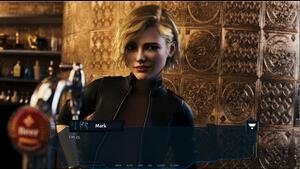
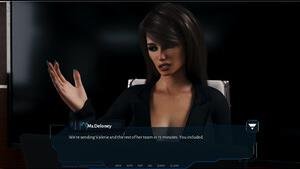
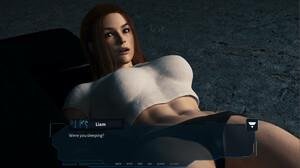
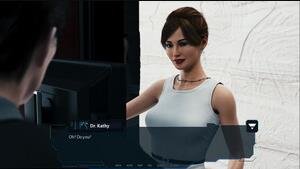
The game presents a stylized cyberpunk-noir aesthetic, combining detailed renders for character beats with smooth in-scene animations to emphasize important moments. Visual storytelling is supported by lighting choices, environmental details and expressive character art that underline moral ambiguity and social nuance. Audio design complements the visuals with atmospheric tracks and contextual sound effects that heighten tension during encounters and alert states. Both visuals and audio are tuned to reinforce narrative tone rather than distract from decision-making.
Level Structure and Challenge Systems
Levels are structured as missions and social hubs that culminate in infiltration stages and planned cons. Early chapters serve as introductions to mechanics and character motivations, while later episodes raise stakes by tightening security, adding time pressures and introducing optional challenges. An alert system escalates consequences when mistakes are made, creating dynamic pushback that demands adaptability; players can choose difficulty presets or enable optional challenge modifiers to increase tension. Because each target and environment invites different tactics, the same mission can play out in multiple ways depending on your planning and social choices.
Replay Value, User Experience and Accessibility
Replayability comes from branching storylines, multiple viable approaches to each NPC and the modular heist planning system that lets you vary team composition and sequencing. The game features a robust save system with manual and autosave options, and is designed primarily for single-player, offline play so you can enjoy the full campaign without a persistent connection. Accessibility options include subtitle controls, adjustable text sizes, colorblind-friendly HUD modes and simplified control presets to make the experience more approachable. The user interface emphasizes clear information about trust levels, available resources and mission timers to help players make informed choices without being overwhelmed.
Version Information
Episode 4 P1 for Cybernetic Seduction expands the simulation with substantial new content: over 1,150 renders, 79 animations, four new music tracks and seven additional sound effects, plus a brand new heist planning system that increases tactical options and narrative permutations. This update deepens the planning layer and adds new scenario branches that reward creative problem solving and social finesse.
Show More