James Weird Dream
Version:01
Published:2026-09-21
Introduction
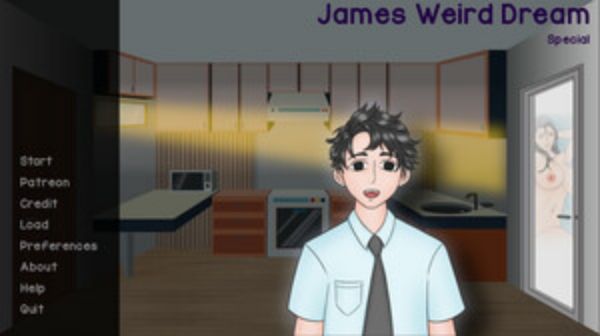
James Weird Dream is a quirky April Fools' Day special that blends surreal, experimental gameplay with a clever hidden-menu mechanic; in James Weird Dream players move through short, self-contained scenes and reveal the full experience by interacting with an element on the main menu. The secret access point is the bathroom door on the main menu—a deliberate design choice that turns navigation itself into part of the challenge and rewards careful exploration.
Key features and tone
This title is built around brief, atmospheric vignettes rather than a traditional level-by-level campaign. Expect unconventional themes and a deliberately strange tone geared toward players who enjoy offbeat, artful experiences. The main game is listed under an ambiguous internal title in the menu, which reinforces the sense that discovery and curiosity are central to how the game is meant to be experienced. The package is intentionally compact, designed as a special event release with a focus on mood and surprises.
Gameplay mechanics
Gameplay centers on exploration, interaction, and small environmental puzzles rather than combat or complex progression systems. Each scene presents objects, doors, and hotspots that respond to simple taps or swipes; experimenting with these interactions often reveals new dialogue, short animations, or transitions to other scenes. The hidden-menu mechanic is the primary progression gate: engaging with the specified menu element unlocks access to the deeper content, making the main menu an extension of gameplay rather than a mere interface screen.
Controls and input
Controls are intentionally simple to lower the barrier to entry. Most interactions use standard touch gestures such as tap to investigate, swipe to move between screens or camera angles, and tap-and-hold for secondary interactions when available. The user interface favors straightforward icons and minimal on-screen clutter so players can focus on the scene and its surprises. Because the experience is driven by short sequences, it is easy to pick up and play in brief sessions without a steep learning curve.
Progression and structure
The progression model is menu-based and scene-driven rather than experience points or level unlocks. After finding the menu secret, unlocked scenes can be revisited freely from the main menu, encouraging replay to uncover missed interactions. There is no complex upgrade or inventory system; instead, the title emphasizes discovery and narrative fragments that assemble into an overall impression of the game's world. This approach makes progression feel like solving an exploratory puzzle rather than grinding toward a numerical goal.
Visual style and audio design
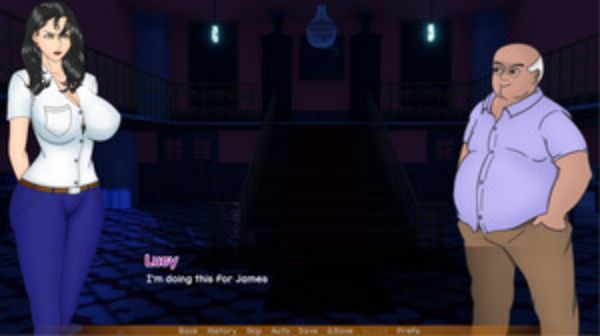
Visually, the game favors surreal, stylized art that leans into unusual color palettes and simple but expressive character and environment designs. Short animated moments and atmospheric sound cues amplify the oddball tone; ambient music and subtle effects are used sparingly to enhance immersion without overwhelming the scenes. The visual and audio elements are crafted to support the game's experimental identity and to make each vignette memorable on its own.
Replay value and challenge systems
Replay value comes from hidden interactions, alternate scene ordering unlocked via the menu secret, and the urge to re-examine moments that felt odd on first playthrough. The challenge is primarily cognitive and observational—spot the interactive object, try a different sequence of actions, or approach a scene from a new angle. Because content is intentionally compact, the game invites multiple short replays rather than long continuous sessions.
Accessibility, settings, and offline play
The design prioritizes accessibility through clear touch controls, readable on-screen prompts, and a minimal settings menu that typically includes audio volume controls and basic display options. The straightforward interaction model helps make the game approachable for a wide range of players. James Weird Dream can be played offline after installation, so you won’t need a persistent internet connection to enjoy the scenes and discover the hidden menu content.
User experience tips
To get the most out of the experience, explore the main menu slowly and interact deliberately with visual elements; the bathroom door is the intended entry point to the complete content, but other subtle clues are scattered throughout the interface and scenes. Short play sessions are ideal—the game is designed for people who enjoy experimental titles and small surprises rather than traditional progression metrics. If you enjoy atmosphere-driven, curiosity-led games, James Weird Dream offers a compact and memorable detour from mainstream releases.
Show More