Lust Hunter: futunari edition 0.134.6
Version:1.2
Published:2026-09-23
Introduction
Lust Hunter: futunari edition 0.134.6 is a single-player adult RPG built on the Ren'Py engine that combines turn-based card combat with point-and-click exploration across a compact fantasy overworld. The description below outlines the game's core systems — deck-building, resource management, encounter design and mobile-friendly controls — so you can judge whether the overall structure and pacing match your preferences before installing. This edition focuses on narrative-driven encounters and strategic decisions rather than fast reflexes, and it presents mature themes in a contextual, informational manner.
Key Features
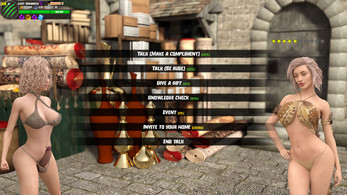
The game pairs a strategic card-battle system with real-time overworld movement, allowing players to scout locations, trigger scripted events and choose engagements selectively. Lust Hunter: futunari edition 0.134.6 supports a deep crafting economy with over 180 components used to produce equipment, consumables and upgrade materials, while a flexible deck-building loop encourages experimentation with synergies and long-term planning. Character-driven storylines and branching dialogue respond to decisions and inventory choices; mature themes, including futanari-character content, are handled as part of the narrative and are not described in graphic detail. Additional mechanics such as capture systems and management-style sequences provide variety beyond straight combat without requiring online services.
Gameplay Mechanics and Controls
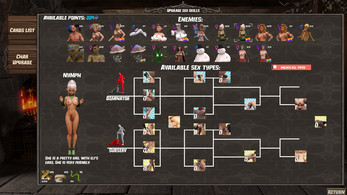
Combat revolves around a turn-based card system where each card has a defined cost, effect and synergy potential, making hand composition and timing central to success. Encounters reward tactical play, with opponents designed to challenge different approaches rather than simply dealing higher damage. Exploration is handled via touch-friendly point-and-click input for mobile devices: tap to move, tap to interact and use a clear card interface for in-combat choices. Inventory and crafting screens prioritize clarity with quick-preview options and an item-combine function that shows potential results before resources are consumed. The game follows Ren'Py save conventions, offering multiple save slots and a quick-resume option suitable for short play sessions on the go.
Progression, Difficulty and Challenge
Progression ties character statistics, deck strength and crafted gear together so growth feels meaningful across systems. Advancement is intentionally non-linear: finishing NPC storylines, clearing map regions and locating resource caches each unlock new cards, recipes and upgrade paths. Difficulty comes from encounter design and enemy behavior rather than inflated numbers, encouraging players to build decks and craft items that counter specific threats. Options for difficulty levels and autosave frequency let players tailor the experience to prefer a more relaxed narrative or a rigorous strategic challenge.
Customization and Visual Style
Customization extends beyond cosmetics: equipment and clothing choices can change character stats and open or close certain interaction opportunities. The title includes a wide range of costume options with per-body-part variants and more than 1,450 in-game animations that support expressive scenes and clear combat feedback. Visually the project follows an anime-inspired aesthetic common to Ren'Py titles, using character portraits, scene backgrounds and animated sequences to enhance storytelling while keeping asset sizes reasonable for mobile distribution. The interface balances visual detail with functional layouts so key information remains visible during battles and crafting.
Level Structure and Content Flow
The overworld is organized into distinct zones and nodes that house scripted events, resource caches and encounter sites, creating a sense of exploration and choice when plotting routes. Players can approach objectives stealthily or directly, and optional side content such as capture and management segments introduces mid- to late-game variety without relying on external content. Map progression is designed to reward scouting and preparation, with some regions requiring specific deck builds or gear to succeed, which encourages revisiting areas after unlocking new recipes or cards.
Replay Value and User Experience
Multiple NPC arcs, branching choices and the depth of the card and crafting systems encourage replaying with different strategies and relationship focuses. The capture and management subsystems add a different loop that can reshape a second playthrough, while varied enemy archetypes promote testing alternative deck compositions. The game is built for offline single-player play so progression and saves remain local to your device, and patch updates from the developer may add content or balance changes over time.
Accessibility and Performance
The title includes accessibility options such as adjustable text speed, configurable auto-advance for dialogue, and clear content warnings at startup so players can make informed choices. Performance settings let you reduce animation detail or background effects to maintain smooth play on a wide range of devices, and the control scheme is streamlined for touch screens to keep interactions simple and responsive. Local save management and quick resume make the game convenient for short sessions on mobile platforms.
Version Information
This listing covers Lust Hunter: futunari edition 0.134.6; the developer may release newer builds, so check update notes and change logs before installing to confirm compatibility and bug fixes. The overview here emphasizes gameplay systems, progression and user-facing features rather than explicit content; prospective players should be aware that the title contains mature themes and is intended for adults of legal age in their jurisdiction.
Show More