Rebuild Harem
Version:4
Published:2026-10-01
Introduction
Rebuild Harem is a narrative-driven single-player experience that puts you in charge of restoring and expanding a close-knit cast of characters through dialogue choices, relationship management and a substantially reworked combat system. The game blends story progression with tactical encounters and management systems, and the v0.4 update refocuses the balance between daily interactions and battlefield decisions to offer a smoother, more engaging play loop. Players who appreciate branching narratives, character-driven progression and deeper tactical options will find the recent changes in Rebuild Harem emphasize steady development and experimentation without sacrificing the narrative core.
Key features and update highlights
The v0.4 release centers on a major combat overhaul that changes pacing, enemy behavior and the available tactical options, while a set of quality-of-life improvements reduces friction in routine tasks. Expect clearer combat feedback, more varied encounter designs and simplified menus for managing characters and resources. The update also brings interface refinements that make it easier to review relationship progress, access character stats and jump back into the story after short play sessions.
Gameplay mechanics
Gameplay combines a relationship-management layer with turn-based tactical encounters. Outside of combat you guide conversations, assign characters to roles and make story choices that open new paths; in battle you position units, choose abilities and react to changing enemy patterns. Decisions in either mode affect long-term progression, unlocking new story branches and tactical options as character bonds grow and abilities evolve. The design encourages players to try different combinations of characters and tactics to see how small changes alter both narrative and challenge.
Controls and interface
Controls are optimized for touch screens with clear touchscreen targets, tap-and-drag positioning for combat placement and context-sensitive menus for actions and dialogue. Menus are laid out so common actions are reachable in one or two taps, with tooltips and readable stat panels for quick decision-making. The interface improvements in v0.4 focus on reducing menu depth and making combat commands more discoverable, which helps both newcomers and returning players pick up the game faster.
Progression systems
Progression is driven by character growth, relationship milestones and equipment or ability upgrades that become available as you advance through chapters. Characters gain new options as their bonds develop, and strategic investment in particular skills or roles changes how a team performs in tougher encounters. The system rewards both story exploration and tactical refinement: trying alternative dialogue choices or prioritizing different upgrades leads to distinct outcomes and combat synergies.
Visual style and level structure
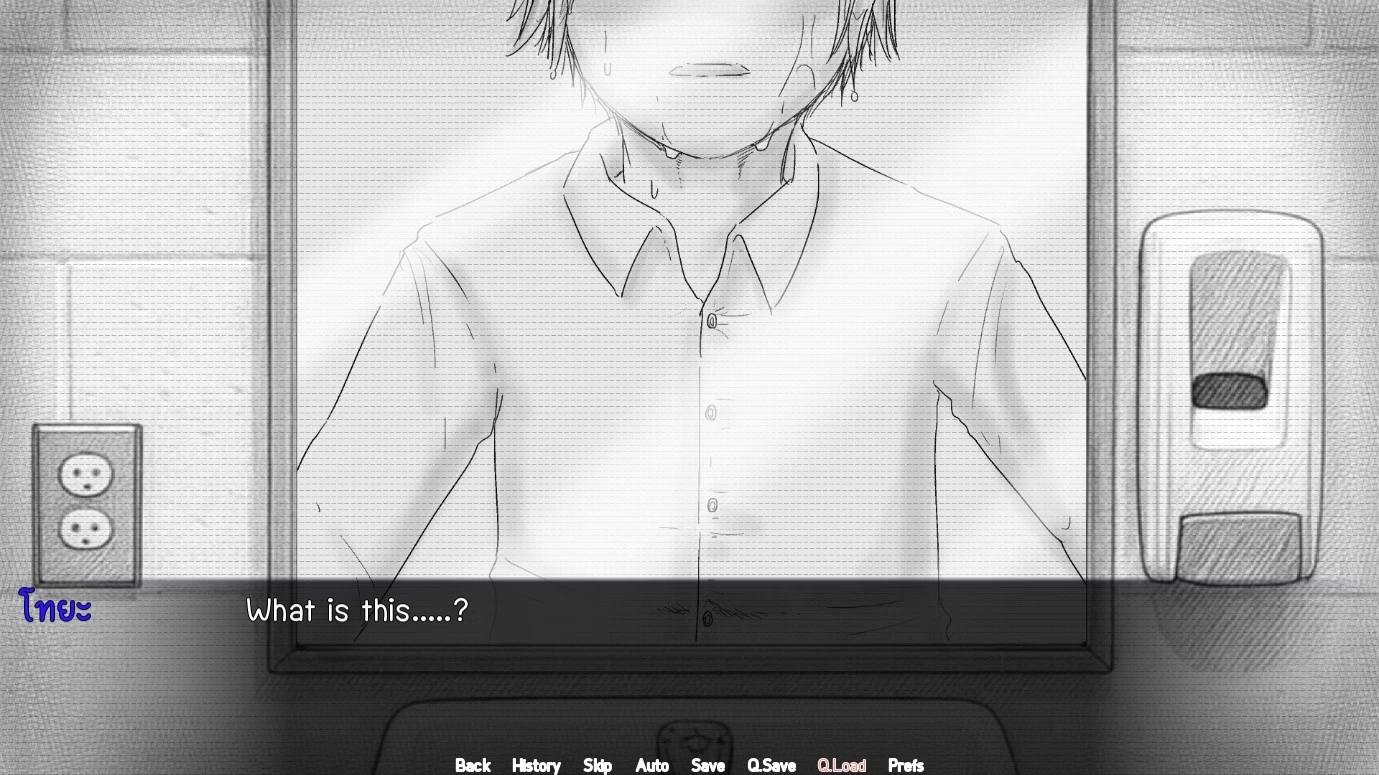
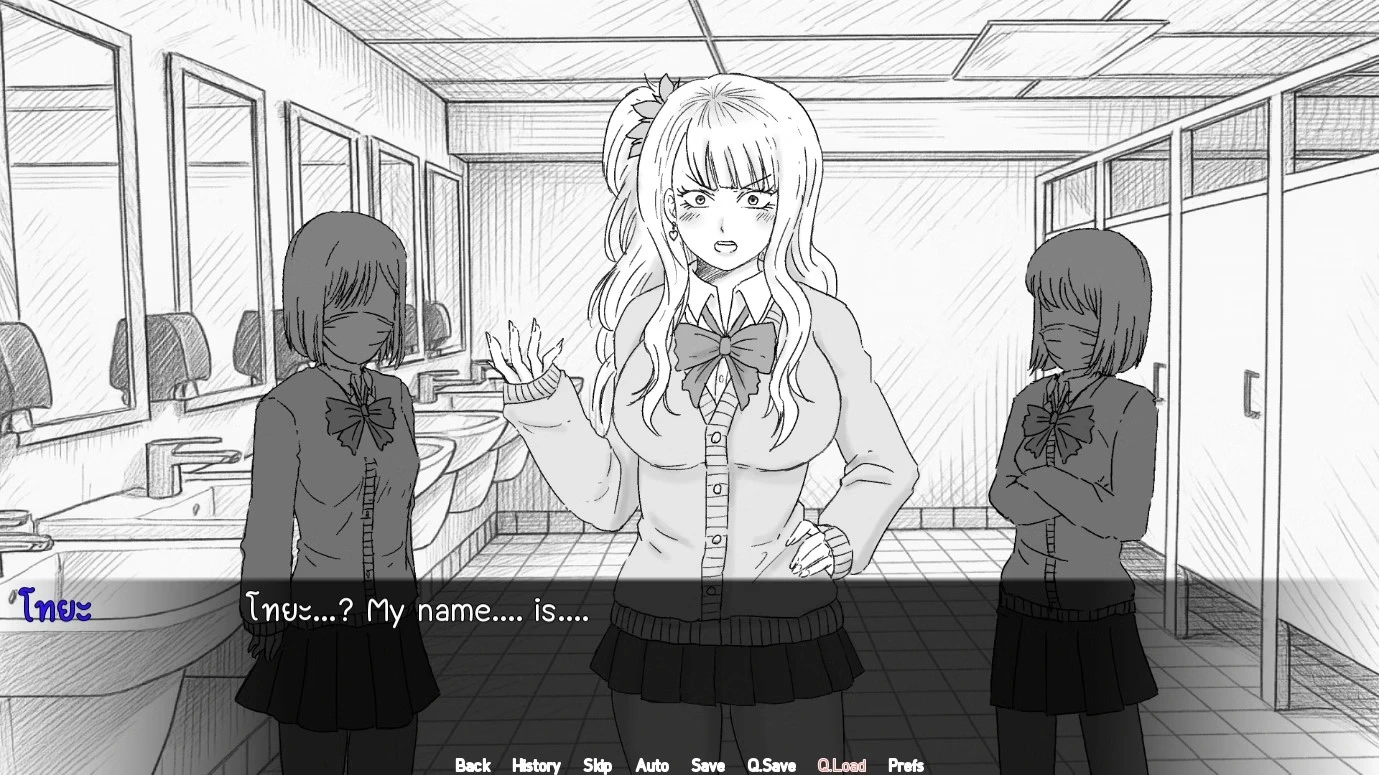
The game presents a stylized 2D visual approach with detailed character portraits, expressive dialogue panels and readable combat arenas that highlight important information. Levels are arranged around story chapters and interludes, with each chapter introducing fresh encounter types and narrative beats. Environmental variety and enemy composition change from one chapter to the next to keep encounters feeling distinct while reinforcing the story context of each mission.
Customization and team management
Customization focuses on assembling and tuning a core team to match your preferred playstyle: you can assign roles, adjust equipment-like loadouts and set behavior preferences that influence how characters act in combat. Character progression choices allow for meaningful differentiation between party members, creating opportunities to experiment with new lineups and tactics. These options support emergent strategies rather than forcing a single optimal build.
Replay value and challenge systems
Replayability comes from branching narrative paths, multiple viable team compositions and optional higher-difficulty encounters that test different tactical approaches. Challenge systems include enemy variants, battleground modifiers and scenarios that require specific preparations, encouraging players to revisit chapters with new strategies. The balance between narrative choice and tactical challenge invites repeated playthroughs to explore alternate outcomes and refine combat performance.
User experience and accessibility
Rebuild Harem aims for approachable pacing with adjustable text sizes, clear UI contrasts and speed toggles for battles so players can control the tempo of play. The recent quality-of-life work reduces unnecessary repetition and improves readability in long sessions, and the intuitive layout helps new players understand core systems without steep tutorials. Accessibility considerations and streamlined controls make the game suitable for a broad range of mobile players.
Offline play and ongoing development
The game is designed primarily as an offline single-player experience so you can progress without a constant network connection; save data is local and you can continue chapters during travel or in areas without connectivity. AVA Velanox Games continues to refine systems based on player feedback, and future updates are expected to expand narrative content and further polish combat balance. Version information: v0.4 focuses on the combat system overhaul and targeted QoL changes that improve overall playability.
About the developer
AVA Velanox Games is the developer behind Rebuild Harem and remains actively engaged with the community to iterate on design, fix issues and release updates. The team’s ongoing support aims to preserve the story-driven core while adding tactical depth and usability enhancements in future patches.
Show More