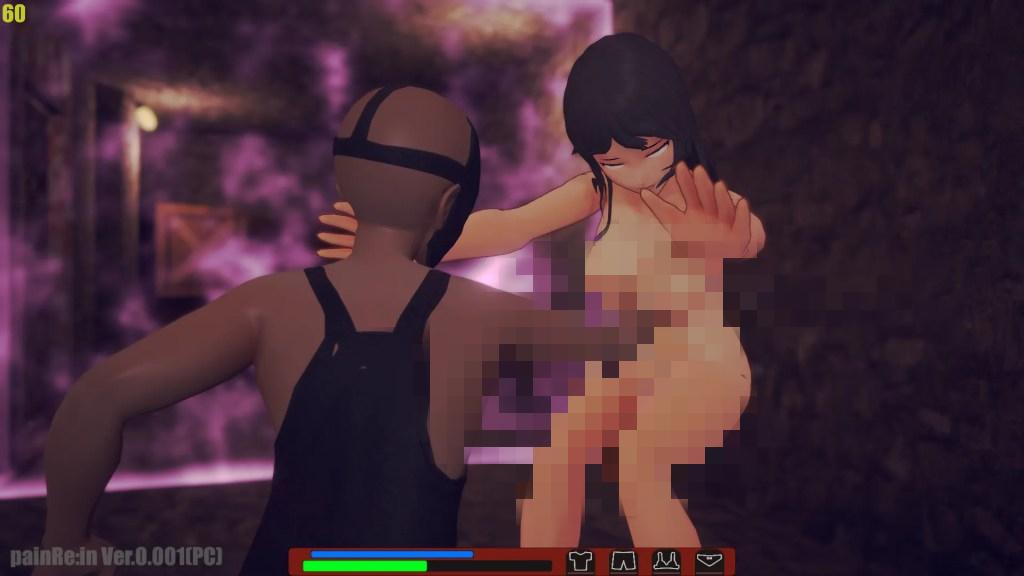
PainRe: In
Version:0.053
Published:2026-10-09
Introduction
PainRe: In is a 3D action title that combines fast, combat-focused gameplay with stylized, mature themes; this early build (v0.047) presents a compact single-player experience centered on scene-driven encounters and a darker aesthetic aimed at niche audiences. The introduction to PainRe: In emphasizes core mechanics and tone rather than a completed feature set, so players should expect an early-stage build that highlights movement, impact-focused combat, and modular encounter design.
Key Features
This release showcases a core loop built around short, intense engagements in three-dimensional arenas. Each encounter is designed to deliver clear combat objectives, reactive enemy behavior, and cinematic camera framing that emphasizes tension without explicit description. Controls have been tuned for responsiveness and quick decision-making, while the art direction favors stylized models and lighting to convey atmosphere. The v0.047 build presents these systems in an introductory form, intended for players tracking development and providing feedback.
Gameplay and Controls
Gameplay centers on close-quarters combat with an emphasis on timing, positioning, and combo flow. Players move through compact spaces where encounters are resolved in focused scenes rather than long open-world stretches. The control scheme is optimized for touch interfaces with on-screen movement and attack options, and sensitivity settings are available to adjust camera and input responsiveness. Combat mechanics include light and heavy attack options, evasive movement, and short windowed counters; these elements are communicated through in-game prompts and an accessible tutorial sequence in the opening scenes.
Progression and Replayability
Progression is scene-based: completing encounters unlocks subsequent stages and additional scenario variations that alter enemy composition or objectives. Rather than an experience-point grind, advancement emphasizes mastering mechanics and learning encounter patterns. Replay value comes from alternate scene outcomes, tighter completion times, and optional self-imposed challenges such as limited resources or higher difficulty settings. The structure supports pick-up-and-play sessions while also rewarding repeated runs for players focused on refining skills.
Visual Style and Level Structure
The visual approach leans toward stylized visuals with focused camera work and moody lighting to support the mature tone without explicit imagery. Levels are structured as discrete arenas or scripted rooms that prioritize readability and combat choreography; this compact layout keeps each session concise and self-contained. Environmental detail is used to create contrast and atmosphere, with enemy placement and level geometry designed to encourage dynamic movement and tactical positioning.
Customization and Accessibility
Customization options center on tuning the gameplay experience rather than narrative elements: players can adjust control sensitivity, camera behavior, and difficulty presets to match their preferred challenge. Accessibility settings include clear on-screen prompts, configurable input size, and content warnings that allow users to understand the mature themes before engaging. These options aim to make the early build approachable for a broader range of players while preserving the intended tone.
User Experience and Offline Play
The game is designed for local, offline play with an emphasis on stable sessions and straightforward navigation. The interface focuses on clarity—status indicators, encounter objectives, and a minimal HUD to reduce distraction during combat. Save and checkpoint behavior in v0.047 is basic and intended to demonstrate progression flow; players following development should expect improvements to persistence and session management in future updates.
Challenge Systems and Feedback
Challenge systems are implemented through adjustable difficulty settings and scenario modifiers that change enemy behavior, resource availability, or time constraints. The build encourages player feedback on balance and encounter pacing, as recorded metrics and direct testing help refine responsiveness and challenge tuning. Developers have prioritized readable enemy telegraphs and consistent rule sets so that mastery feels skill-based rather than arbitrary.
Version Information
v0.047 is the current identifier for this early release of PainRe: In. It represents an initial snapshot of combat systems, scene-driven structure, and the visual direction. Players should regard this build as developmental: it highlights the game’s intended mechanics and tone while leaving room for polish, additional content, and adjustments based on community feedback.
Show More