Airplane Game Flight Simulator
Version:2.1
Published:2026-10-12
Introduction
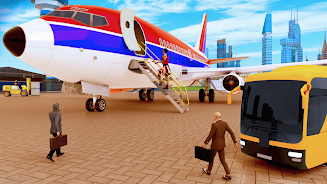
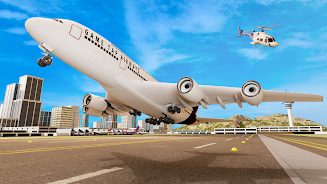
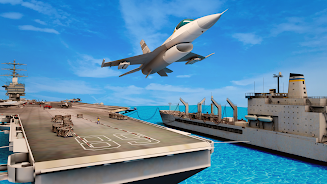
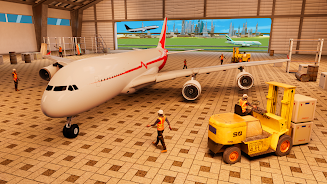
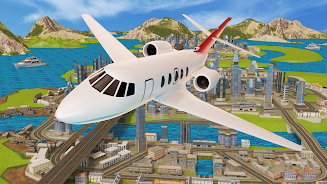
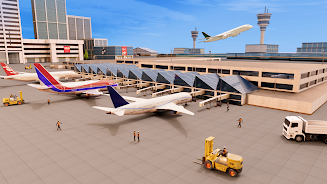
Airplane Game Flight Simulator brings a detailed mobile flying experience to pilots of all skill levels, combining mission-driven progression with realistic aircraft behavior and approachable controls. Airplane Game Flight Simulator places emphasis on learning core piloting techniques—takeoffs, navigation and landings—while offering a variety of aircraft and environments so players can gradually increase complexity as their confidence grows.
Core gameplay and progression
The game is structured around mission-based progression and free-flight exploration. Early tutorials guide new players through basic flight phases, then mission chains introduce cargo deliveries, passenger routes and precision landing tasks that unlock new aircraft, airports and upgrades. Progression feels organic: completing timed or accuracy-based objectives grants access to heavier jets, improved avionics and longer-range missions that expand the geographical scope and challenge variety.
Flight mechanics and systems
Flight dynamics are designed to reward situational awareness and methodical flying. Expect believable stall and recovery behavior, realistic lift and drag responses, and an emphasis on fuel and engine management during longer legs. Instrument panels react to environmental factors; navigating with VORs, ILS approaches and GPS waypoints requires attention to detail, especially during night operations or low-visibility conditions where instrument flying becomes essential.
Controls and cockpit interaction
Controls are flexible to accommodate different playstyles. Available input methods include tilt steering for an intuitive feeling, on-screen joysticks for precise directional control, and touch sliders for throttle and flaps to fine-tune performance. An optional virtual cockpit mode allows direct interaction with switches and knobs for a hands-on experience, while simplified HUD and assisted control presets help new players focus on core procedures before moving to full manual operation.
Maps, environments and mission design
Maps range from compact regional strips to larger international airports set in diverse climates. Mission design spans short emergency hops to multi-leg transport runs, including medevac, search-and-rescue style objectives and timed precision landings that test approach discipline. Dynamic weather effects—such as wind shear, fog and thunderstorms—alter flight handling and visibility, encouraging pilots to plan approaches, manage energy and adapt navigation strategies in real time.
Aircraft selection and customization
The aircraft roster covers light trainers, turboprops and commercial jets, each tuned to reflect distinct handling envelopes: light planes respond quickly to controls but are more susceptible to gusts, turboprops excel at short-field operations, and jets require careful speed and altitude management. Customization focuses on practical options like liveries, avionics suites and modest performance mods that change aircraft behavior in mission-relevant ways rather than purely cosmetic elements.
Visuals, audio and performance
Visual design prioritizes clarity and atmosphere over excessive detail, with clean cockpit instrumentation, layered clouds and runway lighting that aid both immersion and gameplay readability. Sound design supports situational awareness through differentiated engine tones, cockpit alerts and environmental audio. Performance settings let players scale textures, shadows and effects to match a device’s capabilities, and a dedicated performance or battery mode helps ensure stable framerates on older hardware.
Accessibility, offline play and user experience
Accessibility options are built into the experience to make flights approachable: adjustable control sensitivity, optional flight assists, readable instrument scaling and subtitles for cockpit messages. Most core missions and training flights are playable offline so users can practice without a network connection, and save options are designed to preserve progress reliably across play sessions. The user interface aims for clear, contextual information without clutter, helping new and experienced pilots locate the data they need quickly.
Challenge systems and replay value
Challenge modes such as timed runs and precision-landing objectives provide structured goals beyond the main campaign, encouraging repeated attempts to refine technique. Replay value comes from mastering different aircraft, experimenting with avionics configurations and tackling increasingly difficult weather and airport scenarios. Regular practice on short-field and crosswind exercises accelerates skill growth and keeps each flight feeling purposeful.
Getting started and practical tips
New pilots should begin with the tutorial flights that cover basic takeoff, climb, cruise and landing procedures, starting in light aircraft before progressing to turboprops and jets. Focus on planning approaches, monitoring airspeed and energy state, and using autopilot for long cruise segments while manually handling critical phases like takeoff and landing. With consistent practice and gradual progression, Airplane Game Flight Simulator delivers a satisfying mix of approachable controls and deeper simulation elements that reward careful flying and exploration.
Show More