Vault Repopulation
Version:2.3
Published:2026-10-12
Introduction
Vault Repopulation is a tactical survival and base-management game that puts you in charge of rebuilding an underground community after a catastrophic event. In this mobile-friendly adaptation, you balance practical resource decisions and squad-level tactics as you expand chambers, staff key facilities, and fend off environmental threats and rival scavengers. The description below explains core systems, controls, progression, accessibility options, and what makes Vault Repopulation rewarding over multiple playthroughs.
Gameplay Overview
The gameplay loop alternates between methodical base planning and targeted expeditions. During planning phases you excavate new rooms, assign roles, and set production priorities; during action phases you dispatch small teams to explore surface ruins or deeper caverns. Each mission tests your preparation: loadouts, chosen specialists, and prior research all influence outcomes. Non-combat approaches such as negotiation, avoidance, or stealth are viable when you prepare for them, encouraging flexible strategies rather than single solutions.
Base Construction and Resource Management
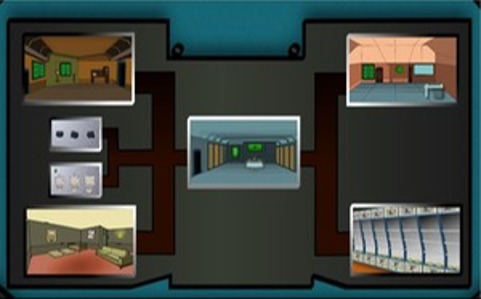
Constructing a resilient vault requires a steady supply of food, clean water, medical support, and fabrication capacity. Rooms serve distinct functions and can be upgraded to increase throughput or unlock automation. Resource nodes are finite in many areas, so expansion choices carry long-term consequences. Effective vault layouts prioritize redundancy, logical utility routing, and proximity of critical services to reduce downtime during emergencies. Automation modules and storage systems help smooth supply chains without removing meaningful planning decisions.
Characters, Roles, and Progression
Residents have unique skill sets, personalities, and growth paths. Engineers keep generators running, medics improve recovery rates, and scouts excel at recon and traps. Characters gain experience from assignments and missions, unlocking specialization trees that grant new passive bonuses and active abilities. Social dynamics matter: morale, fatigue, and interpersonal conflicts can change performance during crises, so personnel placement and rotation are part of late-game optimization. Progression choices shape both tactical options and the long-term character of your vault.
Exploration and Encounters
Exploration missions are the primary source of new materials and blueprints. Procedurally generated tunnels and surface ruins present a mix of environmental hazards, mechanical enemies, and human opponents. Terrain and cover influence tactical choices; careful use of positioning, equipment, and reconnaissance can turn risky objectives into manageable operations. Encounters are designed to reward scouting and preparation, and mission variety keeps each expedition distinct with emergent stories and loot that feeds back into base expansion.
Strategy and Challenge Systems
Strategic depth comes from balancing short-term survival against long-term development. Research trees unlock new rooms, crafting recipes, and vault-wide upgrades, while seasonal or cyclical events change priorities—cold cycles increase food consumption, for example, or raider activity may spike and demand stronger defenses. Random anomalies and scripted challenges force players to adapt plans quickly, rewarding contingency planning and diversified capabilities rather than a single dominant strategy.
Interface, Controls, and Performance
The interface is optimized for touch: tap to select, drag to place rooms, and swipe to pan the camera. Long-press gestures allow context menus and action queuing, while simple drag-and-drop placement supports rapid layout adjustments. Visual settings let players trade off fidelity for framerate on lower-end devices, and the UI scales to different screen sizes so key information remains legible. Controls are designed to minimize micromanagement while keeping strategic choices in the player’s hands.
Visuals, Sound Design, and Atmosphere
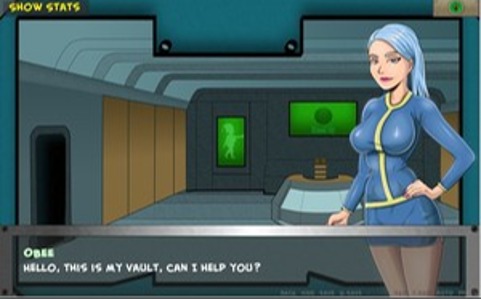
Art direction balances gritty post-disaster detail with readable icons and UI elements so upgrades and damage states remain clear. Interiors evolve visually as you invest in infrastructure, giving instant feedback on progress. Sound design supports immersion with subtle ambient cues, machinery hums, and contextual alerts that help you triage problems quickly without needing constant visual attention. Together these elements create a sustained sense of presence within the vault environment.
Accessibility and Offline Play
Accessibility options include scalable text, contrast modes, and simplified input toggles to reduce rapid tapping. Control sensitivity and tutorial pacing can be adjusted to suit different playstyles and abilities. Vault Repopulation is designed to be playable offline for the core single-player campaign, allowing players to manage their vault and run expeditions without a constant network connection; occasional optional updates may refresh content when online, but the main experience remains accessible anywhere.
Replayability and Customization
Replay value comes from procedurally generated areas, varied starting conditions, and multiple viable progression paths. Different vault layouts, specialist distributions, and research choices change how challenges play out, encouraging experimentation. Customization options let you prioritize aesthetics, defense, or production efficiency, and recurring events create new tactical puzzles on subsequent runs. Achievements and internal goals provide mid- and long-term objectives for players seeking to optimize their approach.
Getting Started: Practical Tips
Begin by securing steady food and water production, assign roles based on character strengths, and keep a small reserve of materials for emergencies. Scout conservatively, upgrade key rooms early, and invest in research that reduces manual workload or improves survivability. Over time, your decisions will shape the vault’s identity and open new strategic possibilities, making each playthrough of Vault Repopulation a distinct experience.
Show More