Daily Life with a JK in the Janitor’s Room
Version:1.0.3
Published:2026-10-13
Introduction
Daily Life with a JK in the Janitor’s Room is a quiet, narrative-driven indie experience that focuses on short, character-centered sessions set mainly within the janitor’s room and adjacent spaces of a public building. The game presents a single adult protagonist working behind the scenes and emphasizes observation, conversation, and small puzzle moments rather than fast-paced action. Daily Life with a JK in the Janitor’s Room is designed for players who prefer deliberate pacing and meaningful encounters over long levels and repetitive tasks.
What this title delivers
This title delivers compact, meaningful story beats packaged into self-contained sessions. Each play segment invites careful listening, environmental reading, and conversational choices that reveal more about the cast and setting. Instead of sprawling maps, the game concentrates on a handful of interconnected interiors where discoveries feel earned. Encounters tend to be short but resonant: a single session can introduce a new character thread, reveal a past event through a found note, or change how other characters react to you in later visits.
Core gameplay loop
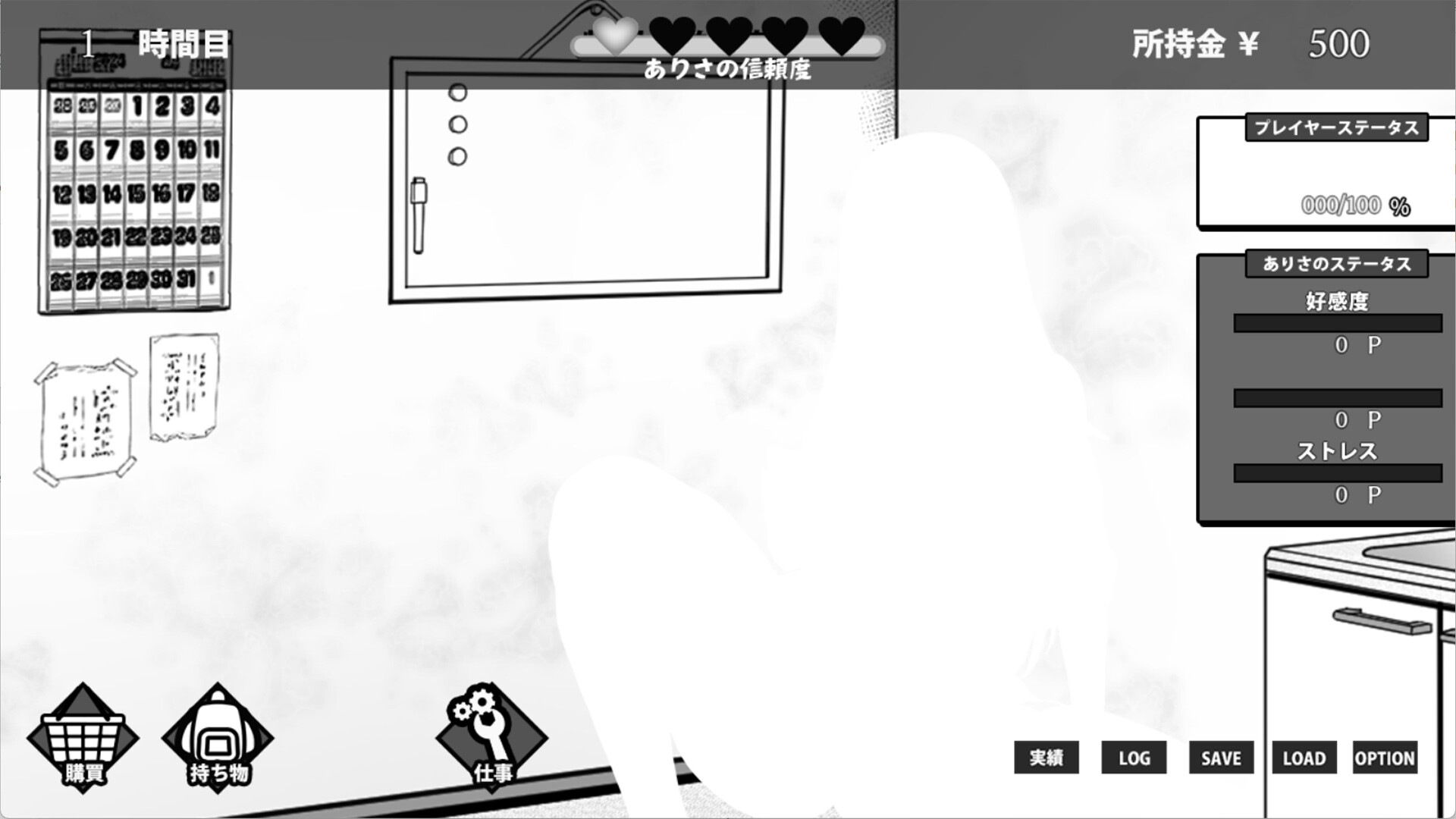
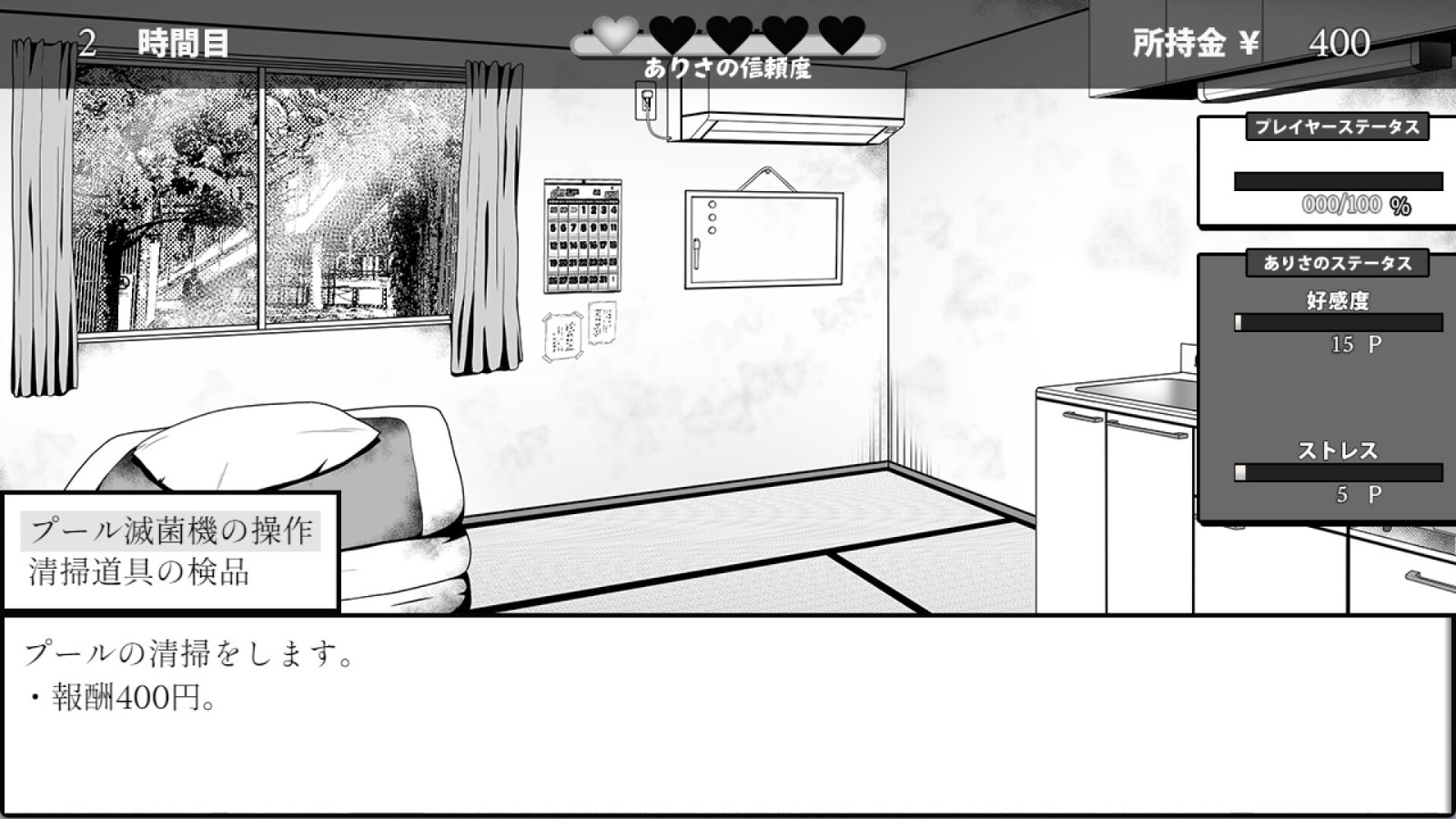
The core loop asks you to choose a few focused actions each session. Inspect objects in the janitor’s room, visit nearby corridors and a supply closet, and speak with other adult characters who cross your path. Actions use a simple time budget that forces prioritization, so deciding whether to follow a lead or to finish a task matters. Environmental puzzles are light and usually revolve around combining items, interpreting contextual clues, or following written hints found on props. Dialogue choices can shift immediate outcomes and open new branches on future runs.
Key systems and progression
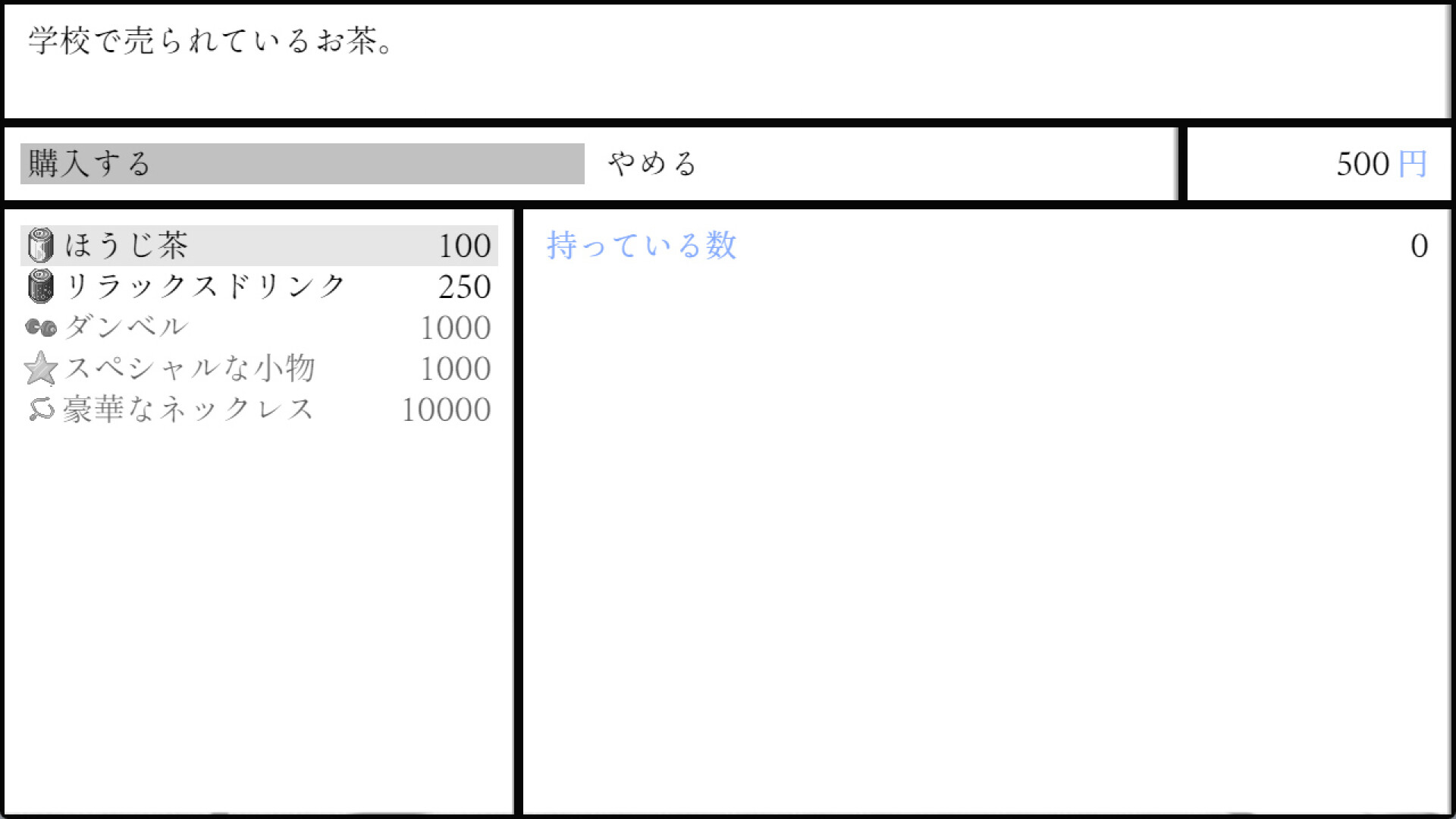
Progression is driven by three interlocking systems: reputation, item discovery, and time management. A reputation system tracks how people respond to your choices and gradually alters available interactions as trust or suspicion changes. The item discovery system records clues and tools you locate; many of these discoveries become useful in later sessions and help resolve puzzles. The time-management layer limits the number of actions per session, creating trade-offs between exploration, conversation, and task completion so advancement feels organic rather than grindy.
Characters and relationships
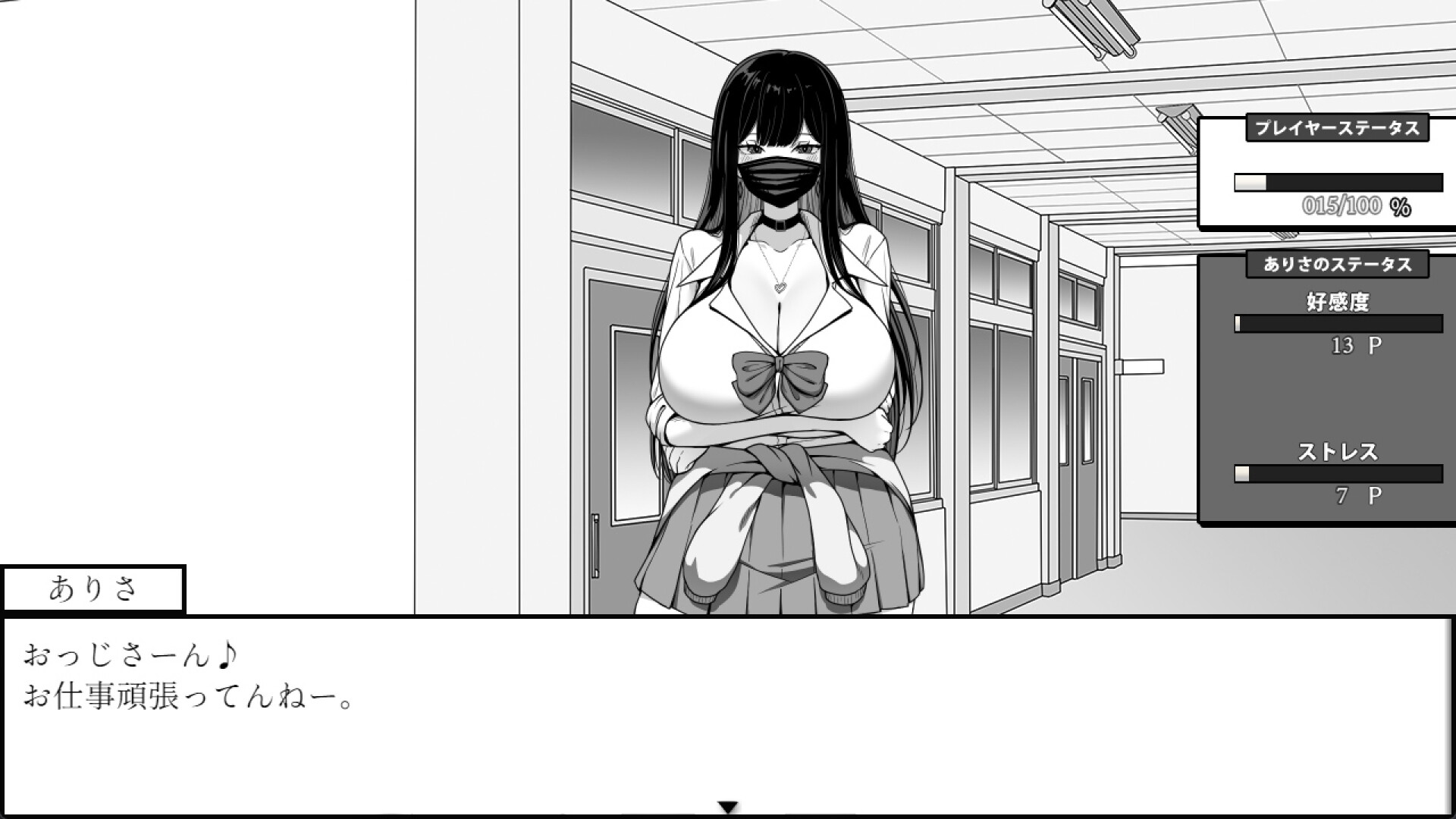
The cast is intentionally small and composed of adult personalities with distinct motivations and realistic conversational rhythms. Relationships develop through branching dialogue rather than binary options, and different approaches can reveal exposition, side threads, or optional content. Some relationships unlock private areas or new items to interact with, encouraging players to invest in personality-driven choices. The writing emphasizes nuance and consequence, so repeated conversations and selective responses yield different outcomes over time.
Environment design and levels
Level design favors detail and implied history rather than scale. Primary locations include the janitor’s room itself, adjacent maintenance corridors, a cramped supply closet, and a few public-facing common areas. Developers populate these spaces with interactive props—shelves, lists, cleaning tools, and old notices—that hint at past events and offer clues for puzzles. Revisiting the same corners after certain triggers often reveals new interactions or hidden items, which supports methodical exploration and rewards attention to small changes in the environment.
Visuals, sound, and atmosphere
The visual approach is restrained and mood-focused: soft lighting, layered backgrounds, and expressive character portraits emphasize tone over high-fidelity realism. Ambient soundscapes and subtle Foley—footsteps, distant chatter, the hum of building systems—create a contemplative atmosphere that complements the narrative. Minimal, well-placed music underscores key moments without overpowering dialogue, allowing emotional beats to land while maintaining an intimate player experience.
Controls, accessibility, and offline play
Controls are straightforward and optimized for touch and controller input: tap to highlight interactable objects and use a compact HUD to track objectives and discovered items. Accessibility options include adjustable text size, readable subtitles, and settings to tune control sensitivity and hint frequency. The game is designed to run offline once installed, so short sessions on the go are supported without a persistent network connection. Settings let players tailor the experience to comfort and clarity rather than forcing a single playstyle.
Replayability and challenge
Replay value comes from branching dialogue, hidden interactions, and optional puzzle approaches that reward experimentation. Many puzzles feature multi-step or less-obvious combinations that take patient observation to uncover, and milestones track noteworthy discoveries for completion-minded players. Players seeking a chill, investigative pace will find value in uncovering alternate conversation paths and revisiting locations to spot subtle changes, while those who enjoy solving layered problems can pursue stricter, more methodical solutions.
Getting started
Installation is quick and the introductory sequence eases you into core mechanics and tone. Your first session teaches how to interact with items, initiate conversations, and manage the limited time budget so early lessons scale across later runs. If you prefer measured play and close attention to character detail, Daily Life with a JK in the Janitor’s Room offers a thoughtful, low-pressure experience that unfolds as you return to familiar places and piece together the lives that cross through the janitor’s room.
Show More