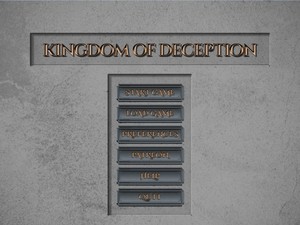
Kingdom of DeceptionKingdom of Deception
Version:0.14.2.1
Published:2026-10-13
Introduction
Kingdom of DeceptionKingdom of Deception is a tactical role-playing experience that combines political intrigue, city-building and stealth-oriented combat in a dark fantasy world; this introduction outlines core systems, controls and design intent so you can decide if the pacing and strategic demands match your preferences. The title asks you to juggle squad-level tactics and long-term kingdom management, recruiting specialists, allocating scarce resources and using diplomacy as often as force to shape a campaign that reacts to your choices.
Overview
The game alternates between tight turn-based missions and a strategic stronghold view where you build structures, research new capabilities and manage influence across factions. Mission maps reward reconnaissance, use of cover and timing; success is often earned by scouting, creating distractions and exploiting terrain rather than rushing headlong into combat. On the overland map political moves—treaties, bribes and alliances—change available objectives and alter enemy activity, which keeps the campaign map dynamic over dozens of hours.
Core gameplay mechanics
Tactical encounters center on a small roster of specialists: scouts, saboteurs, heavy infantry and diplomats each offer distinct roles and tools. Stealth systems let smaller, well-placed teams outmaneuver larger forces when movement, sightlines and noise are managed carefully. Combat emphasizes positioning, flanking and environmental interactions; weather and visibility modifiers change detection ranges and movement costs so each mission can require a different plan rather than a single dominant tactic.
Progression and customization
Progression works on two planes: character growth through abilities and equipment, and kingdom development through buildings and passive bonuses. Base upgrades unlock production lines and specialist types, while personal backgrounds and loyalty traits shape dialogue and branching quests that can shift diplomatic balances. The result encourages rotating squads, experimenting with synergies and making investment choices that influence the feel and difficulty of later encounters without forcing repetitive grinding.
Controls and user experience
The interface is designed for touch-first play but also supports controller input on compatible builds. Contextual radial menus, clear tactical overlays and confirmable actions reduce misclicks during tense turns; movement ranges, cover indicators and concise tooltips are presented prominently so modifiers and risks are understandable at a glance. Tutorials introduce stealth, movement and diplomatic systems gradually, and the UI includes replay and decision-review screens so you can examine previous choices and learn from outcomes.
Visual style and performance
Visually the game favors a moody, painterly aesthetic with readable silhouettes to maintain tactical clarity over photoreal detail. Lighting and weather are functional game elements as well as atmosphere, affecting visibility and cover on mission maps. Performance options allow players to lower fidelity, disable particle effects and simplify certain AI routines so the core mechanics remain intact while maintaining smooth play on mid-range devices.
Level structure and challenge systems
Missions are a mix of handcrafted scenarios and procedural variations that adjust objectives, enemy placement and environmental hazards to increase replayability without repeating sequences verbatim. Difficulty scales by altering enemy behavior, reinforcements and political consequences for failure, so the campaign branches based on investigative outcomes and diplomatic choices rather than ending abruptly after a single defeat. This structure creates meaningful consequences for both tactical and strategic decisions.
Accessibility and offline considerations
Accessibility features include text scaling, colorblind palettes and adjustable combat pacing to accommodate different play styles and needs. The single-player campaign is designed to be playable offline aside from optional downloadable content; network access is requested only for updates and additional packs. These options make extended sessions comfortable on varied devices and for users who prefer a low-bandwidth experience.
Replay value and recommended priorities
Kingdom of DeceptionKingdom of Deception encourages multiple campaigns through branching narratives, character-driven side quests and randomized mission modifiers that produce different strategic rhythms on subsequent playthroughs. Early priorities that tend to pay off are establishing a steady income stream, investing in reconnaissance capacity and preserving adaptable units to avoid permanent loss. Passive upgrades that compound over a campaign and clever diplomatic plays can create very different tactical demands in later acts.
Getting started
Begin with the built-in tutorial to learn stealth, movement and diplomatic options, then try a few short missions with a small core squad before expanding your roster; this helps you internalize sightlines and cover mechanics. Kingdom of DeceptionKingdom of Deception presents a layered balance between strategy and tactics, and the interface makes it straightforward to review past decisions, replay missions for alternate outcomes and approach subsequent campaigns with new combinations of specialists and base upgrades.
Show More