Fate of Mirador
Version:0.1.1
Published:2026-10-13
Introduction
Fate of Mirador is a tactical RPG game that places you in command of a small but diverse band of heroes, guiding them through a living fantasy campaign where choices, positioning, and resource planning determine the outcome of conflicts. In this single-player experience you will manage hero growth, equip and craft gear, and shape an evolving headquarters while tackling turn-based combat that rewards foresight rather than reflexes. The description below outlines core systems, controls, and the kinds of challenges players can expect.
Gameplay mechanics
Combat in Fate of Mirador centers on turn-based encounters where movement, cover, and timing matter as much as raw power. Battles encourage thoughtful positioning: creating flanks, establishing choke points, and using elevation or environmental hazards to your advantage. Each hero has a set of skills governed by cooldowns and resource costs, which means that sequencing and coordination across the squad are essential. Encounters support multiple approaches—stealthy infiltration, focused single-target assaults, or wide-area control—so mission design rewards experimentation and adaptive tactics rather than repeating a single dominant strategy.
Progression and customization
Character development blends traditional experience-based leveling with branched skill trees and equipment-driven upgrades. Heroes earn experience that unlocks new abilities and passive bonuses, and the skill trees are designed to let you specialize a character as a dedicated tank, a tempo-focused striker, a crowd-control caster, or a utility-minded support. Gear crafting and modification provide meaningful choices: attachments, runes, and refinements change how a weapon or item behaves, and mixing these options creates playstyles that can turn otherwise ordinary abilities into powerful synergies. Base upgrades further influence progression by unlocking research projects, production bonuses, and campaign-wide perks that shape available missions and long-term strategy.
Controls and interface
The interface is built specifically for touch screens with clear tap-to-target interactions and drag gestures for commanding movement. Targeting windows and ability radii are shown visually on the battlefield so you can judge ranges without guesswork, and contextual quick-commands let experienced players issue compound orders faster. The HUD keeps vital information visible while allowing you to hide secondary panels; adjustable UI scale and sensitivity settings let you tailor the layout to different devices. Shortcuts for inventory management, formation presets, and quick-heal consumables streamline repetitive tasks so players can focus on tactical choices rather than menu navigation.
Maps, missions, and challenge systems
Campaign maps are designed as more than static arenas: mission choices influence which objectives appear, and environmental conditions such as fog, weather changes, or hazards force you to rethink familiar plans. Optional side objectives and exploration pockets reward scouting with rare materials, lore entries, or faction favors. Difficulty is layered and configurable—standard, hardened, and challenge modifiers allow players to tune enemy density, AI aggression, and resource scarcity. For those seeking an extra test, optional mission modifiers introduce tougher enemy variants and stricter win conditions without restricting the base campaign experience.
Visuals, audio, and performance
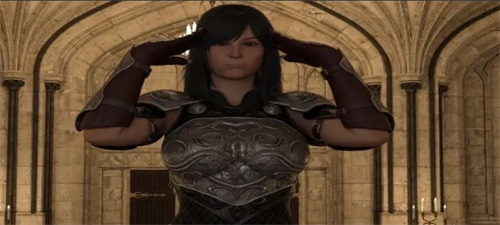
The visual presentation balances detailed character art with tactical readability so ability ranges, movement paths, and status effects are clear in the heat of battle. Environments are atmospheric but designed to communicate information quickly: destructible cover, interactive hazards, and visibility rules are all visually distinct. Audio design supports gameplay with clear sound cues for ability activations, enemy alerts, and environmental changes, helping you anticipate key moments. Performance optimizations focus on maintaining smooth frame rates across modern Android hardware while allowing adjustable graphics settings for older devices.
Replayability and campaign structure
The campaign branches based on faction relationships and mission choices, which changes available allies, enemy types, and later objectives. Multiple viable builds and loadouts encourage different approaches on repeat playthroughs, and the combination of skill-tree choices, crafted equipment, and base upgrades means subsequent runs can feel significantly different. Optional missions, hidden objectives, and faction reputation windows provide hooks for exploration and experimentation that reward players who want to see alternate outcomes and discover new tactical combinations.
Accessibility and user experience
Fate of Mirador offers configurable accessibility options including adjustable text size, UI scaling, control sensitivity, and colorblind-friendly visual cues to support a wider range of players. Tutorials introduce mechanics gradually and a practice mode allows you to test team synergies and ability interactions off the campaign path. The game is primarily designed for offline single-player play so you can continue progress without a persistent network connection; save and restore functionality ensures sessions interrupted on mobile devices are handled cleanly.
Overall, Fate of Mirador is aimed at players who appreciate layered tactical design and meaningful progression systems. Its combination of deliberate turn-based combat, equipment-driven customization, and branching campaign elements offers both approachable early missions and strategic depth for longer-term play.
Show More