Stack Ball - Blast Through Platforms
Version:1.1.88
Published:2026-10-13
Introduction
Stack Ball - Blast Through Platforms delivers a focused arcade challenge built around a single, satisfying mechanic: smash a ball through rotating platform layers to reach the tower base. This editor description explains what to expect from the one-touch gameplay in Stack Ball - Blast Through Platforms, including how momentum, timing, and simple risk choices combine into short sessions that are easy to learn but progressively demanding to master.
Gameplay mechanics
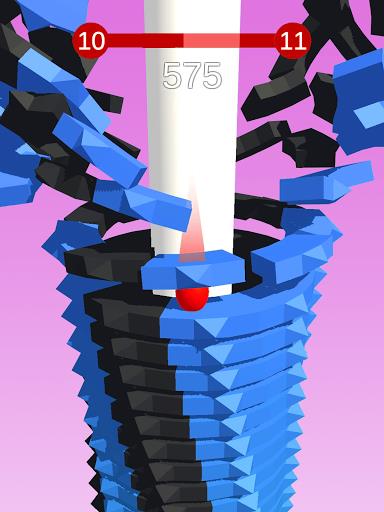
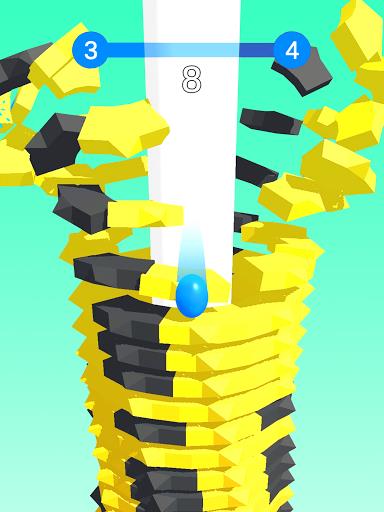
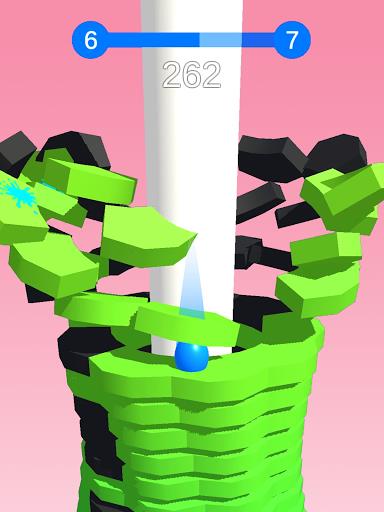
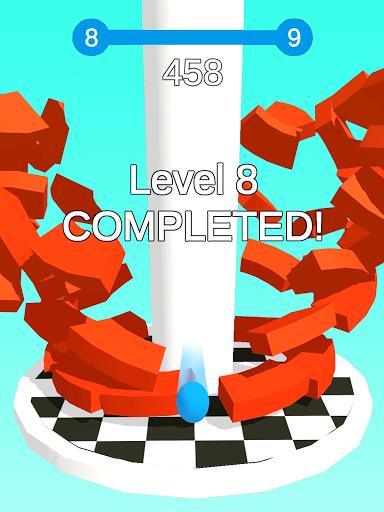
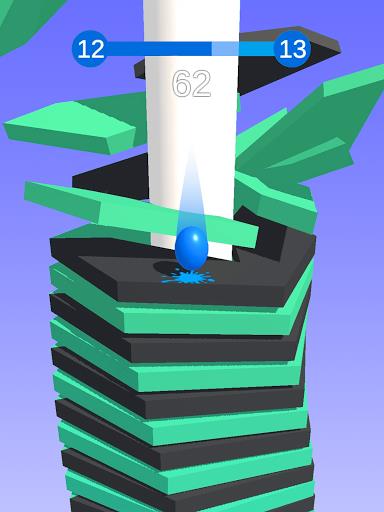
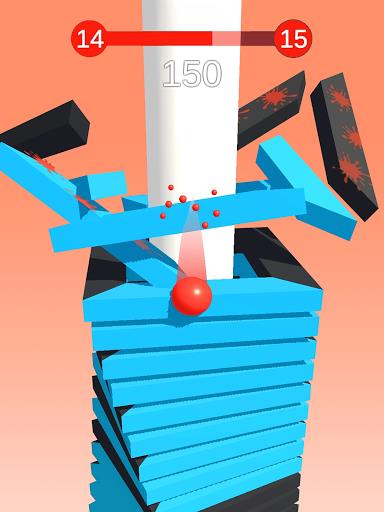
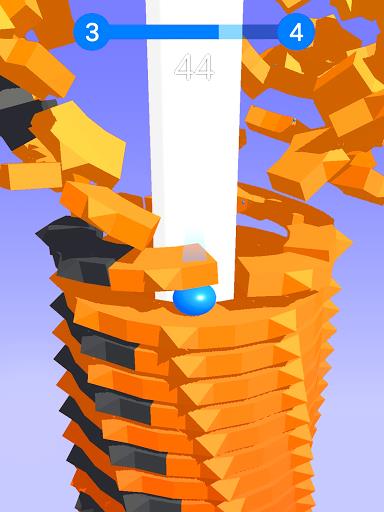
The core loop centers on pressing and holding to drive the ball downward and releasing to halt or reduce momentum. Towers are constructed from colored segments that react differently on impact—some segments break, others bounce the ball, and dark or marked areas end the run—so reading visual cues and modulating pressure are essential. Tower layouts mix procedurally generated stacks for unpredictability with handcrafted sequences that introduce new hazards and pacing, creating emergent challenges where timing and measured aggression are rewarded. Collisions, momentum, and platform behavior interact to produce satisfying near-miss moments and clear cause-and-effect feedback.
Controls and accessibility
Design emphasizes accessibility: a single, responsive touch input keeps controls approachable for many players and reduces barriers for users with limited dexterity. Visual and audio cues are used consistently to distinguish safe zones from lethal segments, and some builds include adjustable touch sensitivity or inverted control options to accommodate personal preferences. These accessibility considerations help keep the entry curve low while allowing skilled players to develop advanced timing strategies that rely on nuanced presses rather than complicated gestures.
Progression and rewards
Progress is paced through frequent short runs that grant points, in-game currency, and cosmetic rewards rather than long grinds. In Stack Ball - Blast Through Platforms, accumulated currency unlocks new visual themes and temporary modifiers—such as brief invulnerability or speed boosts—that change a run’s rhythm without destabilizing core balance. The game favors cosmetic progression and small, meaningful rewards that encourage experimentation with different tower themes and skins instead of pay-to-win mechanics.
Visual style and performance
The aesthetic leans toward glossy, high-contrast visuals with dynamic lighting and polished particle effects that clearly communicate game states. Color coding is used intentionally so players can identify platform behavior at a glance, and collisions produce impactful yet optimized animations to preserve smooth frame rates on most mid-range devices. The interface is intentionally minimal to keep the focus on the play area: scores and essential controls remain visible while the tower and ball retain visual prominence on smaller screens.
Level structure and challenge systems
Level flow alternates between quick procedural towers and longer, artistically crafted sequences that introduce specific timing puzzles and deceptive gaps. Difficulty ramps by narrowing safe windows, adding layered hazards, and introducing occasional themed levels with unique mechanics that require adapting strategies. The challenge systems reward pattern recognition, deliberate risk-taking, and learning from short repetitions: players often alternate cautious runs to learn platform behavior with aggressive attempts aimed at higher scores and longer descents.
Customization and personalization
Cosmetic options provide personalization without affecting gameplay: skins for the ball, color themes for towers, and particle variations help players create a look that reflects their playstyle. These items are typically earned through play, giving players steady visual goals that encourage repeated sessions. Minor audio settings such as toggling music or sound effects let users tailor the sensory experience, while preserving the straightforward interface and consistent gameplay feedback.
Replay value and user experience
Replayability comes from short-session design, satisfying tactile feedback, and a clear improvement arc as players learn to time presses and control momentum. The pacing suits quick breaks or longer focus sessions, and recurring events or limited tower themes refresh the loop without altering the core mechanics. Many players report a strong sense of flow during successful runs because the inputs are immediate and mistakes have transparent consequences, which reinforces skill-based progression.
Installation, offline play and community
Installing Stack Ball - Blast Through Platforms is straightforward on typical app stores and the download remains compact so updates can focus on new towers and skins. The core gameplay is playable offline for casual sessions, while optional online features such as leaderboards and event participation are available when you choose to connect; these features are not required to enjoy the main experience. Clear visual cues, accessibility toggles, and modest device requirements make the game approachable to a broad audience looking for compact, reflex-driven arcade sessions.
Show More