Winter Life in the Countryside
Version:1.02
Published:2026-10-13
Introduction
Winter Life in the Countryside welcomes players to a quiet, snow-dusted simulation where homestead care, seasonal crafting, and simple social interactions shape each day. In this single-player experience you manage a small cabin and surrounding land, tend animals and hardy winter crops, and expand your homestead at a relaxed pace while the environment shifts with weather and festivals. The design emphasizes a restorative rhythm rather than fast rewards, and Winter Life in the Countryside places clear, approachable systems at the center of gameplay so progress feels meaningful without being demanding.
About the experience
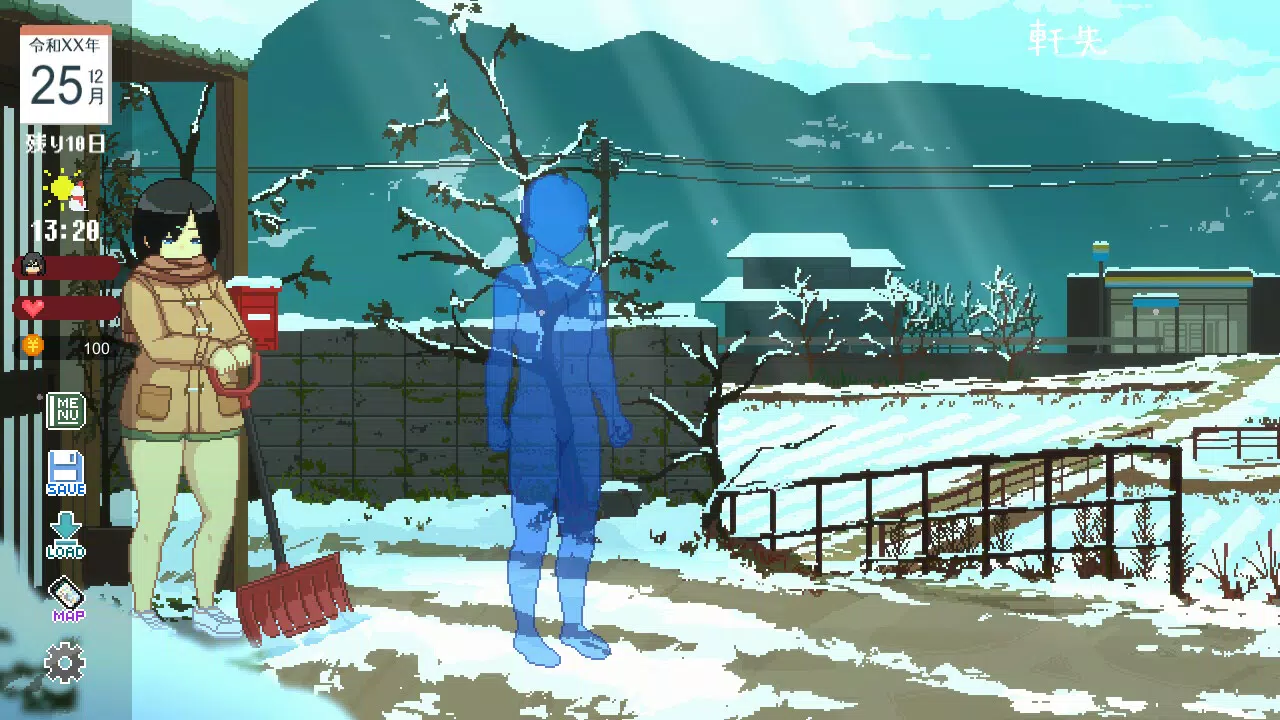
At its heart the game blends pastoral charm with slice-of-life mechanics: short daily goals, environmental hazards like blizzards, and a steady set of upgrades that change how you spend your time. Interiors are warm and inviting while outdoor areas present tactical choices — whether to prioritize insulation, forage for firewood, or make a run to a trader before a storm. Villagers and wandering traders provide personality and optional quests that reveal bits of local lore, encouraging players to explore rather than hurry through content. Winter Life in the Countryside aims for atmosphere and thoughtful pacing, with handcrafted scenes that reward curiosity.
Gameplay and progression
Routine tasks build toward larger homestead goals. You begin with basic chores — feeding animals, repairing fences, and protecting young plants — then unlock mid-tier systems such as preservation racks, insulated stoves, and improved barns. Progression is driven by upgrades and mission objectives rather than arbitrary levelling: better heating reduces cold penalties, stronger tools cut task time, and thoughtful layout decisions streamline daily loops. Seasonal events introduce limited recipes and cosmetic items that expand options without altering the core pacing. Managing stamina and daylight is an important tactical layer; good planning and storage choices reduce waste and make long-term projects feasible.
Controls and accessibility
The interface is built for mobile play with large icons, clear fonts, and an uncluttered HUD that keeps visuals readable on a range of screens. Touch targets are responsive and menus adapt to different layouts, and common actions use simple taps and drag gestures so play feels natural. Accessibility options include adjustable text size, toggleable HUD elements, and color-contrast considerations for iconography to help players with different needs. Contextual tutorials guide new players and can be turned off once you prefer a cleaner experience. The game runs well on mid-range devices and is designed to support local save files so you can play without a constant internet connection.
Crafting, tools and systems
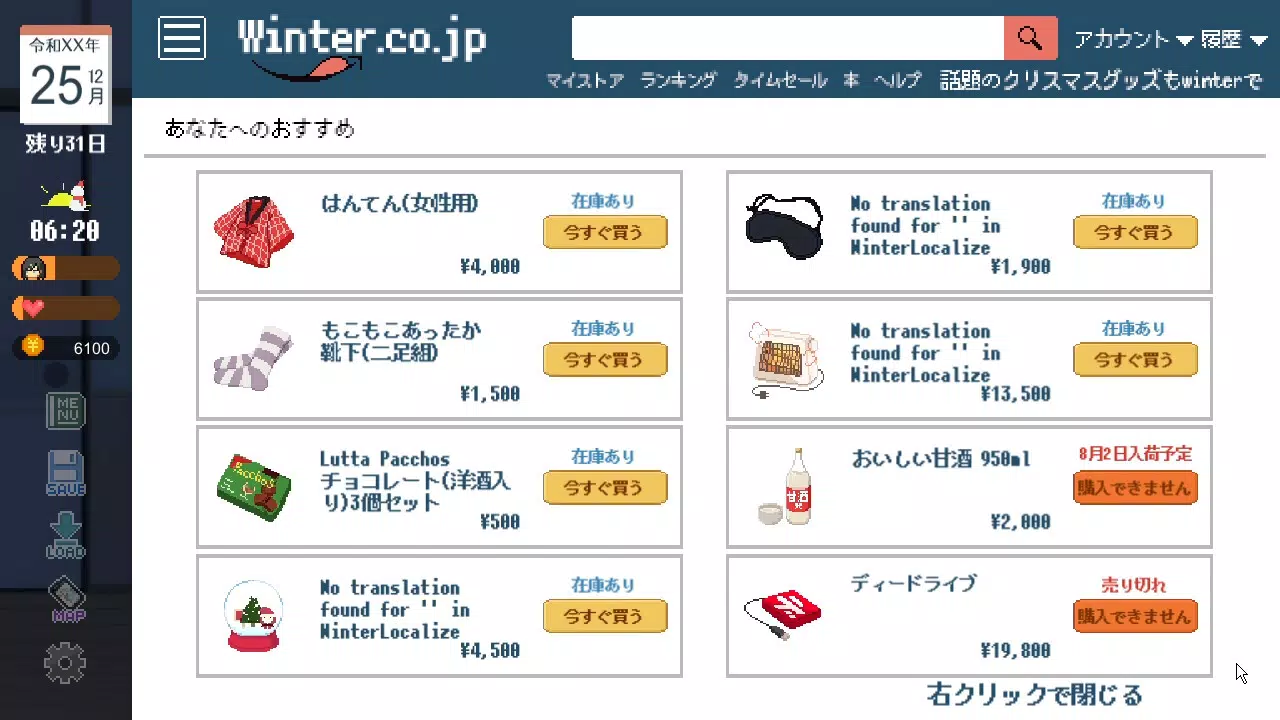
Crafting mixes basic materials into practical items like warm clothes, preserved foods, and home furnishings that have both cosmetic and functional benefits. Tools are straightforward to upgrade: an enhanced axe saves time collecting wood, and a reinforced sled increases carry capacity for long hauls across the map. Processing stations let you turn raw harvests into higher-value goods while insulation and stove upgrades change how much resource you must devote to keeping buildings warm. Recipes unlock gradually through missions and seasonal content, providing a steady stream of new combinations without overwhelming the player early on.
Maps, events and challenge systems
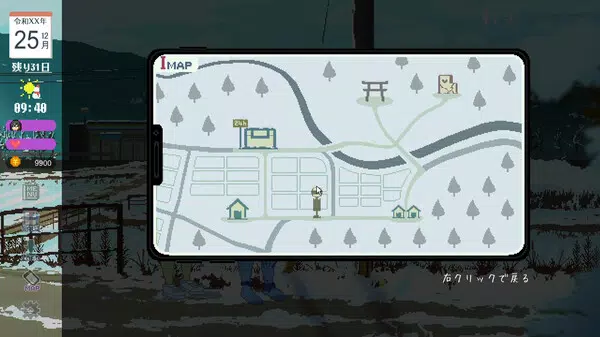
The world changes with time and weather: frozen ponds open new paths, drifting snow can hide shortcuts, and icy trails alter travel cost between locations. Occasional blizzards present short-term challenges that encourage preparation and resource buffers, and seasonal festivals offer unique quests and cosmetic rewards that rotate over time. Map areas are designed to be explored progressively — new sections become practical to use once you’ve upgraded tools or completed specific quests — which keeps exploration rewarding and ties world expansion to player choices rather than arbitrary gates.
Customization and replay value
Personalization is deep enough to make each playthrough feel distinct. You can arrange furniture and choose exterior paint, tailor animal pen layouts to your workflow, and select seasonal decorations earned through events. Because progression focuses on practical upgrades as well as cosmetics, experimenting with different priorities — such as becoming a preservation expert versus focusing on animal husbandry — creates varied experiences on repeat playthroughs. Achievements and optional objectives reward experimentation without forcing a particular playstyle.
Performance, first steps and practical tips
On first launch the tutorial walks you through essential mechanics and introduces quality-of-life features like autosave and inventory shortcuts. New players will find early success by insulating the main cabin, establishing reliable storage, and balancing daily tasks between maintenance, social visits, and exploration. Performance is generally stable on modern mid-range devices, though large celebratory events may briefly increase visual effects. Winter Life in the Countryside supports local saving and a manageable difficulty curve, making it suitable for short sessions on the go or longer play periods when you want to settle into a calm, strategic winter retreat.
Show More