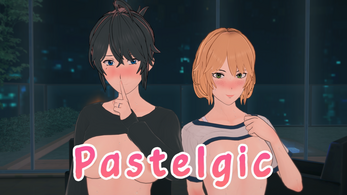
Pastelgic
Version:0.0
Published:2026-10-13
Introduction
Pastelgic blends calming pastel visuals with precision puzzle mechanics, offering short, bite-sized stages that reward pattern recognition and timing. Players navigate color-based challenges, unlock modular tools, and refine strategies across diverse level types, making it an ideal pick for thoughtful sessions on mobile devices.
Core Gameplay Mechanics
The central loop in Pastelgic revolves around manipulating colored elements to meet specific goals. Each level presents a compact grid, tiles with unique behaviors, and optional objectives that encourage replay. Interaction is tactile yet simple: tap, swipe, and hold gestures alter pieces, while a limited move budget introduces a satisfying layer of resource management.
Level Structure and Progression
Levels are grouped into themed chapters that gradually introduce new mechanics. Early stages focus on single-color matching and timing windows, then advance into multi-layer puzzles that combine blockers, conveyors, and timed switches. Progression rewards consistency—completing objectives and earning stars unlocks harder rooms and cosmetic upgrades.
Characters, Tools, and Power-Ups
While not character-driven in the traditional sense, Pastelgic provides avatar skins and tool modifiers that influence play. Players can equip limited-use power-ups before a run to reshape challenge parameters: extra moves, color converters, and temporary immunity to traps. These modifiers enable a variety of approaches, from conservative planning to experimental combos.
Strategy and Puzzle Techniques
Effective play emphasizes foresight and pattern recognition. Plan multiple turns ahead to set up chain reactions; use converters to simplify complex boards; and save power-ups for levels where move constraints become strict. Timing-based tiles reward rhythmic interaction, so watch for moments when several components align to trigger a cascade.
Visual Design and Audio
Pastelgic's aesthetic is a key feature: muted palettes, soft gradients, and clean iconography reduce visual clutter and make puzzle states immediately readable. Subtle animations communicate state changes, while ambient soundscapes and light chimes reinforce successful combos. The overall presentation is crafted to be relaxing without dulling the focus needed for precise planning.
Controls and Performance
Controls are optimized for touchscreens with responsive feedback on taps and swipes. The user interface keeps important information—move counts, objectives, and available tools—clearly visible without obscuring the playfield. Performance is smooth on most modern devices; resource usage is modest to preserve battery life during extended play sessions.
Modes and Replayability
Multiple play modes extend longevity. A standard campaign offers structured difficulty growth and collectible milestones, while challenge modes task players with time-limited objectives or severe move restrictions. Daily puzzles provide bite-sized content that tests specific skills, and optional leaderboards let players compare strategies and scores.
Getting Started
New players will find the initial chapters forgiving, easing them into mechanics through progressive tutorials and guided objectives. Experiment with basic power-ups and replay levels to improve star ratings. For those seeking deeper mastery, revisit earlier puzzles with constraints removed to discover alternate solutions and optimize move counts.
Why Players Enjoy It
Pastelgic appeals to players who prefer thoughtful, methodical puzzles presented in a visually gentle package. The blend of compact stages, meaningful progression, and modest customization options keeps each session focused and rewarding without demanding long commitments.
Tips for Better Scores
- Conserve moves by planning cascades rather than reactive swaps.
- Use converters early to simplify multi-color boards.
- Prioritize objectives that offer the highest star payoff for minimal effort.
- Replay levels to explore alternative routes and shave off unnecessary actions.
Show More