Island of Lost Horizons
Version:01
Published:2026-10-13
Introduction
Island of Lost Horizons delivers an immersive survival-adventure experience that blends exploration, puzzle-solving, and base-building on a mysterious archipelago. Players scavenge resources, unlock ancient secrets, and craft tools while navigating dynamic weather and shifting islands to survive and unravel the story.
About Island of Lost Horizons
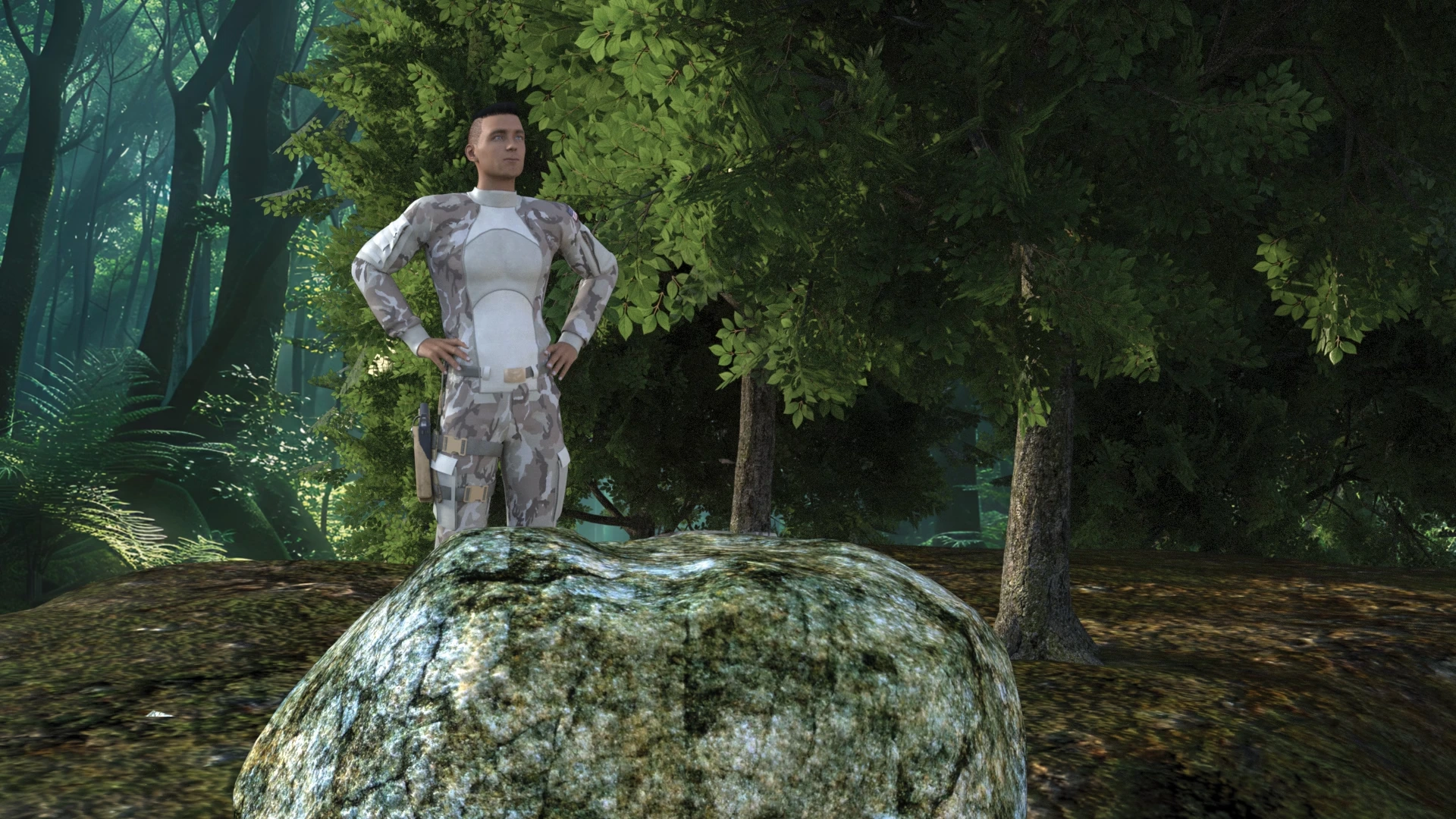
Island of Lost Horizons places you on a chain of procedurally generated islands where each visit feels distinct. The game mixes open-world roaming with focused objectives: discover artifacts, rebuild a camp, and decode environmental puzzles. Story beats appear organically through journals, ruins, and encounters with occasional NPCs whose motives slowly become clear.
Core Gameplay Loop
Progression revolves around exploration, resource management, and construction. You begin with basic tools and a small shelter. Exploration yields raw materials and clues that let you improve your equipment and expand your base. Combat is tactical and sparse, encouraging avoidance or clever use of crafted traps rather than nonstop fighting. Puzzle sections require observation and experimentation, rewarding players who track patterns across multiple islands.
Key mechanics to master
- Resource scavenging: Forage, mine, and salvage to gather wood, stone, and rare components.
- Crafting and upgrades: Build tools, upgrade shelter defenses, and customize survival gear.
- Environmental puzzles: Use light, pressure, and elemental interactions to unlock new areas.
- Weather and hazards: Dynamic storms and shifting tides change traversable routes and resource availability.
Tools, Systems, and Progression
The crafting tree moves from simple recipes to complex machines and permanent improvements. Bases act as safe hubs where you can store items, fast-travel between unlocked points, and set up automated resource collectors. Skill progression is subtle: instead of level numbers, you unlock blueprints and abilities that expand play options, like quieter movement or a stronger grappling hook for vertical exploration.
Inventory and management
Inventory space is intentionally limited to encourage thoughtful decisions. Balancing fuel, food, and materials forces players into meaningful trade-offs. The map highlights discovered landmarks but hides secrets until you investigate them directly, which keeps exploration rewarding.
Maps, Characters, and World Design
Each island is handcrafted with a procedural overlay, creating a balance between artistry and replayability. Distinct biomes—mangrove inlets, volcanic spires, and fog-laden ruins—offer unique resources and hazards. NPC encounters are rare but impactful, offering side quests that hint at the archipelago’s past and unlocking new tools through barter or story progression.
Performance, Interface, and Controls
The interface focuses on minimal HUD elements to maintain immersion. Controls are optimized for touchscreens with context-sensitive actions and a streamlined crafting menu. Performance scales across devices, with adjustable graphical settings for frame stability. Loading transitions between islands are quick, and save states occur frequently to avoid frustrating setbacks.
Audio and visual presentation
Ambient sound design reinforces exploration—wind through palm fronds, distant animal calls, and subtle musical cues during puzzle revelations. Visually, the palette shifts per biome, using lighting and particle effects to guide players toward points of interest without heavy tutorialization.
Tips for New Explorers
- Prioritize a small wood stockpile to ensure you can rebuild the camp after unexpected storms.
- Upgrade your carrying capacity early to reduce back-and-forth trips between resource nodes.
- Observe environmental patterns—tides and wind direction can open or close paths between islands.
- Use crafted decoys and traps to avoid direct combat with larger predators.
Why players return
Replayability comes from the mix of handcrafted events and procedural layouts. Players enjoy hunting for hidden lore, optimizing base layouts, and returning to tackle higher-difficulty scenarios with improved gear. The balance of calm exploration and tense survival moments creates a pacing loop that keeps attention without overwhelming newcomers.
Getting started
Installation is straightforward: download, allocate a modest amount of free storage, and follow the brief tutorial island. Focus on the early shelter and a basic toolset; from there, the game’s systems unfold naturally. Island of Lost Horizons rewards patience and curiosity, and players who take time to read environmental clues will find a deeper, more satisfying experience.
Show More