Living in Desire
Version:0.10
Published:2026-10-13
Introduction
Living in Desire is a narrative-driven adventure game that blends choice-based storytelling with strategic progression and character relationships. Players navigate branching paths, manage resources, and unlock scenes across diverse settings. The opening chapters set the tone with strong writing, atmospheric music, and decisions that shape both immediate outcomes and long-term arcs.
Overview of the experience
At its core, Living in Desire packs a cinematic structure into handheld gameplay. Each chapter plays like a short story with objectives, optional encounters, and hidden threads that reward exploration. The pacing alternates between focused dialogue sequences and light strategic moments where inventory, time, or reputation affect your options.
Core mechanics and pacing
The gameplay pivots on three interlocking systems: choice branches, resource management, and relationship meters. Choices are rarely binary; many options unlock different sub-paths or influence characters’ attitudes. Resources such as influence tokens or limited actions force you to prioritize, creating tension when you can’t pursue every lead.
Characters, relationships, and progression
Characters in Living in Desire are written with distinct motives and evolving goals. Building rapport reveals quests, while neglect can close doors permanently. Progression is narrative-based: you unlock scenes and scenes unlock new gameplay elements, such as skill checks or mini-systems that diversify later chapters. Leveling is less about stats and more about story access and strategic options.
Environments and visual design
The game favors moody, stylized visuals over flashy effects. Maps are compact and focused, with interactive hotspots that reward attention. Backgrounds shift to match the narrative tone: intimate interiors, rain-drenched alleys, or sunlit courtyards. Subtle animation and a restrained color palette keep the focus on characters and dialogue rather than spectacle.
Systems and tools to master
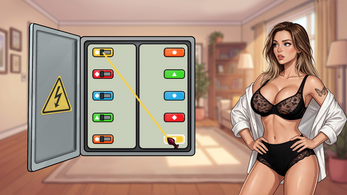
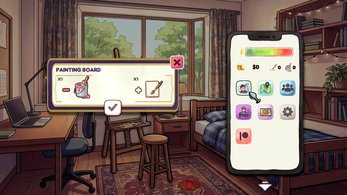
Living in Desire introduces tools gradually, allowing players to learn without being overwhelmed. Expect a concise journal that tracks objectives and relationships, a simple inventory for key items, and a reputation board that summarizes allies and rivals. Mini-games appear sporadically and serve narrative goals rather than dominate playtime.
Interface and controls
The interface prioritizes readability. Dialogue choices are presented clearly, with a short context line to reduce guesswork. Navigation uses touch-friendly gestures: taps for interaction and swipes for skipping text. Menus are minimal and responsive, which keeps the flow moving between scenes.
Player interaction and replayability
Decisions in Living in Desire encourage multiple playthroughs. Some scenes remain hidden until specific relationship thresholds or inventory combinations are met. The game’s branching structure means a single miss can create a noticeably different ending or reveal an alternate side story, which rewards experimentation and careful saving.
Performance and device compatibility
Performance is tuned for a broad range of devices. Load times are short and memory use stays conservative even during heavier scenes. Graphics scale smoothly, and soundtracks adapt without stutter. Occasional frame drops may appear on very old hardware, but they rarely disrupt narrative beats.
Tips for new players
- Take notes: Small details in dialogue often point to hidden choices or inventory needs.
- Balance relationships: Favoring one character too often can lock you out of alternate arcs.
- Experiment with saves: Keep multiple save slots to explore divergent outcomes without replaying entire chapters.
- Manage resources: Spend influence tokens on unlocking meaningful paths rather than cosmetic options early on.
Living in Desire is built for players who enjoy character-driven stories with strategic underpinnings. It doesn’t overwhelm with mechanics; instead, it rewards curiosity and thoughtful decision-making. Whether you aim to explore every branch or craft a single focused narrative, the game offers satisfying payoffs and moments of genuine surprise.
Getting started
Download and install like a typical handheld title. The tutorial chapter serves as both an introduction to mechanics and a spoiler-free taste of the tone. Allow time to absorb character motivations before making major decisions; patience often reveals better options down the line. With a few playthroughs you’ll find the paths that best fit your style and priorities.
Show More