Deathless
Version:Episode2Part4
Published:2026-10-13
Introduction
Deathless is a dark-fantasy action RPG that mixes tactical combat with persistent progression and atmospheric level design. This editor overview describes how the game structures its encounters, progression and player experience so you can decide if the pacing and challenge match your preferences. The title balances short, intense fights with longer moments of exploration, and it emphasizes timing, positioning and meaningful upgrades.
Gameplay and Controls
Combat in Deathless centers on dodge-timing, skill combos and resource management rather than simple stat checks. Encounters reward reading enemy patterns, prioritizing threats and switching tactics between fights. On touch devices the controls are designed for responsiveness: a combination of virtual sticks, context-sensitive action buttons and quick-swap skill inputs keeps core actions accessible. Many interactions also respond well to gamepad input if your device supports it. The HUD highlights health, stamina or equivalent resources and cooldowns so split-second decisions are clear; settings allow you to tweak control sensitivity and on-screen button placement for comfort.
Progression and Customization
Progression blends traditional leveling with talent trees and equipment-driven choices. Each hero has a distinct kit and players build synergies by combining active skills with passive bonuses. Crafting plays a role: components and upgrade materials improve weapon and armor modifiers, and permanent perks let you shape long-term playstyles. Rather than single best builds, Deathless encourages experimentation—materials are limited and some upgrades are situational, so deciding what to improve is part of the strategy. The game supports gear loadouts and visible cosmetic options so you can tune both performance and appearance.
World Design and Level Structure
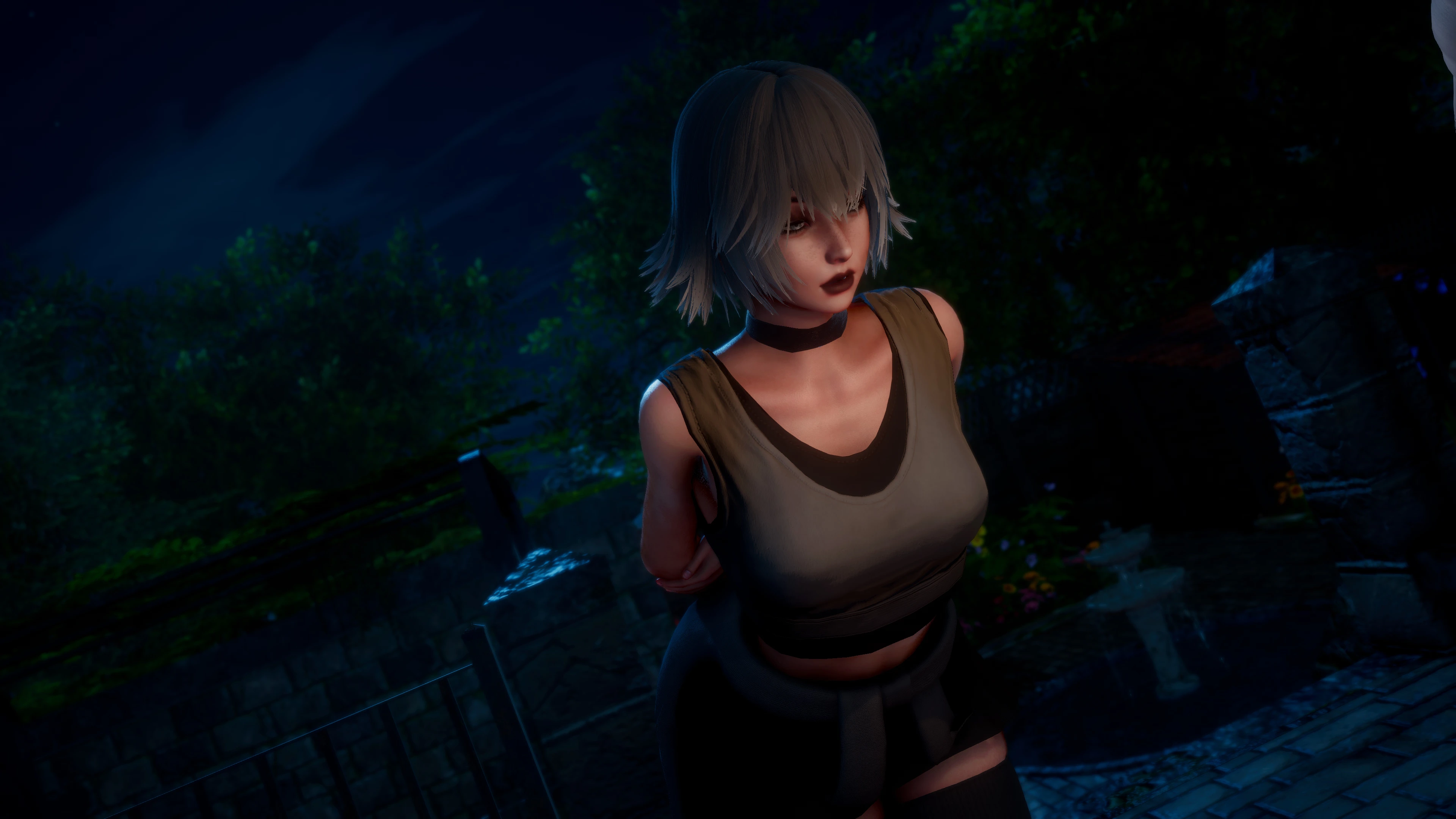
Maps emphasize verticality and environmental interaction, from collapsed towers to shadowed forests. Level design mixes set-piece arenas with branching areas that reward exploration; optional side objectives, scavenging points and randomized events create variety on repeat runs. Many encounters are wave-based or objective-driven, and boss fights typically unfold across multiple phases that alter attack patterns and force new tactical choices. Short choke points, open skirmish spaces and interactive hazards mean position matters as much as raw power.
Visual Style and Performance
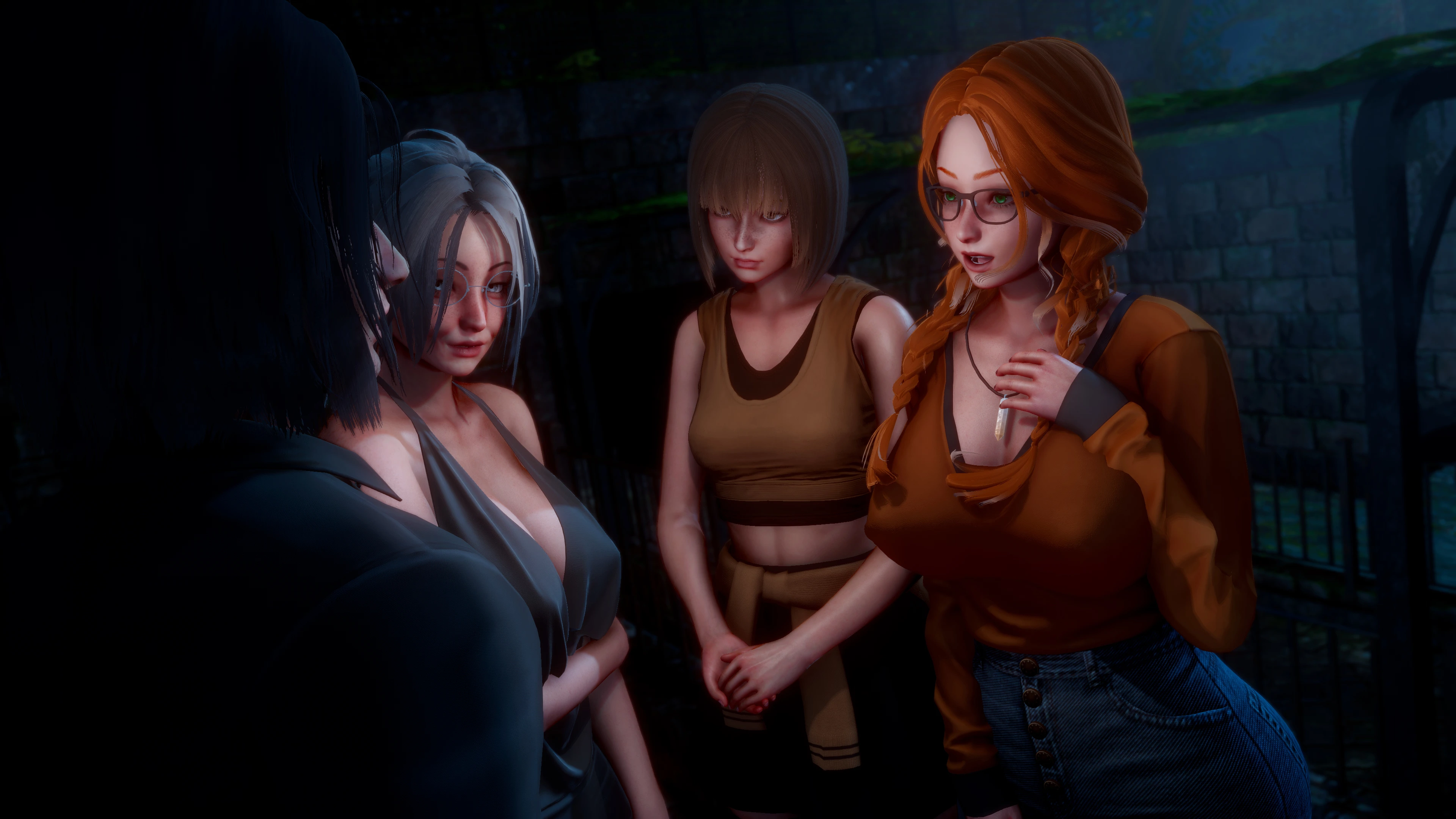
The visual approach leans toward moody, hand-crafted environments with particle-rich effects for spells and impacts rather than relying solely on high-fidelity textures. This art direction helps the game feel distinct while keeping resource usage efficient. Performance and optimization are priorities: configurable graphics options and frame-rate targets let a broad range of devices play smoothly, and stable frame rates are important because responsiveness directly affects combat success. Audio design supports combat clarity, with cues that help you identify enemy states and incoming threats.
Replay Value and Challenge Systems
Replayability comes from varied builds, randomized events and challenge systems that scale with progress. Difficulty is designed to reward learning: beating an encounter through better tactics feels meaningful, and optional objectives offer extra rewards for players seeking a tougher test. The game offers leaderboard-like asynchronous challenges and limited-time tasks that provide goals for competitive-minded players without forcing constant online play. Because maps and enemy combinations change between runs, adapting your build to the situation often yields better outcomes than relying on a single overpowered setup.
User Experience and Accessibility
Onboarding is compact: a short tutorial introduces movement, basic attacks and your first upgrade choices so new players can quickly reach the core loop. Accessibility options include adjustable control layouts, difficulty tuning and display settings to improve readability of HUD elements. The title is primarily designed for solo play and can be enjoyed in offline sessions; some community features or timed objectives may require an internet connection. Save and resume behavior is structured to respect mobile play patterns so short sessions remain rewarding.
Getting Started
Installation is straightforward and the initial run guides you through a single hero's basics before opening up progression choices. New players are advised to learn one hero well, prioritize survivability through mobility and crowd control, and reserve materials for pivotal upgrades rather than spreading resources too thin. Deathless rewards careful planning and experimentation: whether you prefer methodical build-crafting or improvisational skirmishes, the systems are tuned to offer satisfying depth across short plays and longer campaigns.
Show More