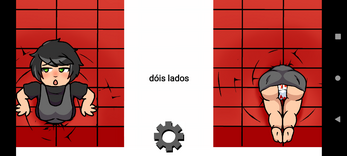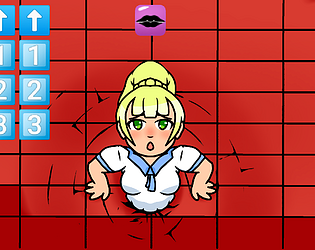
Two sides
Version:0.3
Published:2026-10-13
Introduction
Two sides is a tactical puzzle-adventure that challenges players to balance light and shadow across dual-layered maps. Players switch perspectives to solve environmental puzzles, outmaneuver enemies, and unlock secrets. The game blends strategic thinking with exploration and artistic visuals for a thoughtful single-player experience.
Game Overview
Two sides places you in a world split into mirrored realities. Each level contains complementary layers where objects, hazards, and pathways interact across the divide. Success depends on reading both planes at once, anticipating how a move on one side affects the other, and adapting to changing layouts as new mechanics are introduced.
Core Mechanics and Strategy
The central mechanic revolves around switching perspective between the light and dark layers. Each side has unique physics, obstacles, and interactable items. Strategic play involves:
- Flipping Perspectives: Toggle between layers to create passages or disable traps on the opposite plane.
- Resource Management: Limited energy or actions per level force careful planning rather than brute force.
- Chain Reactions: Activate devices on one side to trigger cascades in the other, solving multi-step puzzles.
Timing is critical; some puzzles require near-simultaneous moves across both layers, while others reward observation and slow deduction. The game encourages trial-and-error without harsh penalties, allowing players to experiment freely.
Levels, Progression, and Replayability
Levels in Two sides grow steadily in complexity. Early stages introduce basic flips and simple switches. Mid-game maps combine moving platforms, enemy patrols, and light-sensitive gates. Later levels layer multiple mechanics together and demand multi-stage planning. Collectibles and optional side-challenges provide replay value for players who like to perfect runs or discover hidden lore.
Characters and Opponents
While the protagonist is a quietly guided avatar, the game populates environments with varied opponents and autonomous devices. Some foes patrol predictable routes, while others react to light conditions or player actions. Learning enemy behavior patterns is as important as mastering the layer-switching mechanic, and some encounters form elegant puzzle-combat hybrids rather than direct fights.
Visuals, Sound, and Atmosphere
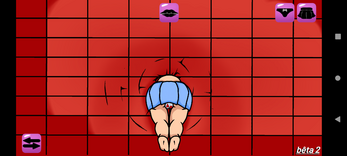
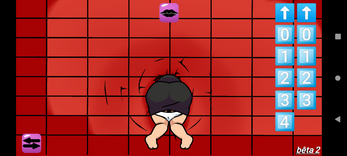
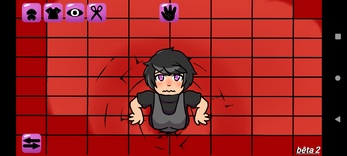
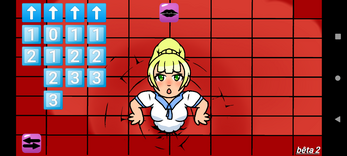
The visual design emphasizes contrast: clear, readable silhouettes in the light layer versus textured, moody backdrops in the shadow layer. This distinct aesthetic supports gameplay by making interactable elements stand out. The soundtrack is understated and atmospheric, adapting to tension and release as puzzles resolve. Minor audio cues also hint at hidden mechanisms and help guide exploration.
Controls and Performance
Controls are designed for touchscreen responsiveness, with simple tap-and-swipe gestures for movement, and a dedicated toggle for switching layers. Performance tuning keeps animations smooth across a wide range of devices; graphical options may let you reduce effects to preserve battery life and frame rate. The control layout is intuitive, but advanced players can remap actions for a more customized setup.
Player Experience and Difficulty Curve
The difficulty curve is deliberate: accessible early puzzles build confidence, then the game introduces twists that require combining earlier lessons in new ways. Two sides never relies on cheap difficulty spikes; instead, it challenges players through clever design and layered interactions. Hints are available if you get stuck, and optional challenges cater to completionists seeking an extra test of skill.
Tips to Get Started
- Observe Both Layers: Spend time scanning the mirrored areas before committing to a move.
- Experiment Freely: Use safe areas to test how switches affect the opposite plane.
- Pace Yourself: Some puzzles reward slow, methodical planning rather than quick reflexes.
- Use Audio Cues: Subtle sounds often signal hidden mechanisms or approaching enemies.
Two sides offers a rewarding blend of puzzle design, atmospheric presentation, and steady progression. Players who enjoy thoughtful challenges and layered systems will find a rich, polished experience that encourages curiosity and careful play.
Show More