Unexpected Fate
Version:1.0
Published:2026-10-13
Introduction
Unexpected Fate introduces players to a quietly devastating premise: a protagonist leaves a dwindling village for a nearby town in search of work, a brighter future and the possibility of love. Unexpected Fate balances a focused, narrative-driven experience with exploration and social interaction, guiding players through moral choices, character-driven scenes and an unfolding mystery that reshapes ordinary plans into an unforeseen adventure.
Story and Setting
The game opens with simple, relatable motivations—economic pressure, curiosity and the hope for connection—then gradually expands into a layered story where every conversation matters. Town life is populated by NPCs with distinct personalities, daily routines and secrets. As you move through the neighborhoods, markets and workplaces, the plot shifts from routine survival to a darker mystery: hints of a hidden past, encounters with enigmatic strangers and revelations that change how the protagonist is seen and how they see themselves.
Gameplay and Controls
Gameplay focuses on choice and discovery rather than reflex-based action. Interactions are primarily touch-driven: tap to move between areas, select dialogue options to shape responses, and use contextual menus to inspect items or review notes. Choices are presented in clear, readable text with immediate contextual feedback from characters and the environment, making the control scheme approachable for new players while allowing deliberate pacing for those who prefer to savor each decision.
Mechanics and Progression
Progression in Unexpected Fate is anchored to narrative milestones and personal relationships rather than numerical leveling. Dialogue outcomes and small tasks influence how NPCs respond, open new scenes and reveal fragments of the central secret. A simple journal or quest log keeps track of leads, characters met and choices made, helping players follow multiple threads without losing the emotional throughline. Over time, the accumulation of decisions locks in different narrative branches, leading to distinct outcomes based on how you prioritize work, relationships and investigation.
Visual Style and Level Structure
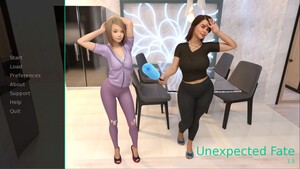
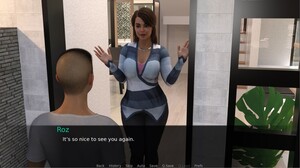
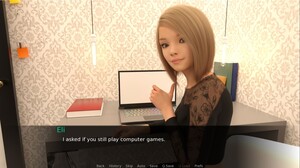
The visual presentation favors intimate, character-focused scenes and atmospheric town vignettes. Backgrounds emphasize mood through lighting and color palettes that shift with the story—warm hues for everyday moments, cooler tones for scenes of tension. Levels are organized as connected areas of the town with straightforward navigation: public spaces, workplaces, and a handful of hidden locations unlocked through exploration or key interactions. This structure helps maintain a steady rhythm between exploration and storytelling.
Customization and Player Agency
Rather than deep character creation, customization in Unexpected Fate emphasizes agency through choices: you shape the protagonist’s reputation, career path and social bonds by deciding where to spend time and who to help. Dialogue choices can steer relationships toward trust, rivalry or distance, and those relationship states have concrete effects on available story options. This design keeps the focus on narrative consequences while still offering meaningful personalization.
Replay Value and Multiple Endings
Replay value comes from branching dialogue and variable outcomes. Because many scenes depend on earlier choices, re-playing with different priorities reveals alternative responses, hidden scenes and endings that reflect different balances of stability, romance, truth and danger. The game encourages exploration of multiple paths without requiring grind, making each playthrough a chance to discover new consequences and character arcs.
Challenge Systems and Pacing
Challenges are narrative and situational rather than mechanical: moral dilemmas, timed opportunities to act and the need to manage scarce resources like time or money create tension. Optional tasks and side conversations provide both relief and reward, offering small puzzles or decision points that deepen character knowledge. This keeps the experience accessible while still offering moments of suspense for players who enjoy deliberation under pressure.
User Experience and Accessibility
The user interface is designed for clarity: readable fonts, clear dialogue history and a persistent journal make it easy to track progress. Accessibility options include adjustable text size and simplified controls to accommodate different play styles. The game supports single-player offline play, allowing users to progress at their own pace without a constant network connection and to save their story locally for later continuation.
Who Will Enjoy This Game
Unexpected Fate is best suited to players who appreciate character-driven stories, meaningful choices and a steady blend of quiet exploration and narrative surprises. If you prefer games where conversations and consequences drive the experience rather than fast reflexes, this title offers a thoughtful, emotionally resonant journey with room for replay and discovery.
Show More