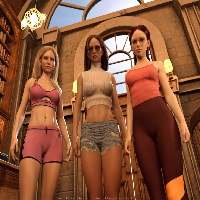
Dancing Colors
Version:1
Published:2026-10-13
Introduction
Dancing Colors is a vibrant rhythm game that blends tap-based mechanics with colorful visual effects and music-driven challenges. Players follow beat patterns across dynamic stages, unlock new tracks, and customize avatars while competing on leaderboards. It's accessible for casual players yet offers depth for rhythm enthusiasts seeking precise timing.
Quick overview
Dancing Colors puts polish and pace at the center of its design. Matches are short but demanding, focused on reflexes and pattern recognition. The title mixes familiar rhythm controls with a stage progression model, making it easy to pick up while still rewarding mastery. Expect frequent new song drops and seasonal content updates.
Core gameplay loop
The heart of Dancing Colors is its timing system. Notes travel toward a strike zone in sync with the beat, and players tap, hold, or slide to score. The game layers modifiers — such as speed boosts, reversed lanes, and split-note sequences — to change how a familiar track reads. Combos and accuracy determine not only score but also visual intensity and multipliers.
Notable mechanics and systems
Rhythm accuracy is tracked using a clear hit window. Hitting near-perfect timing produces an elaborate visual flourish; consistent accuracy fills a performance meter that unlocks bonus sections. Difficulty scaling is granular, offering several tiers from casual to expert. Each tier adjusts note density and introduces instrument-specific patterns that require different input techniques.
Progression and unlockables
Progression in Dancing Colors feels meaningful without being grindy. Players earn experience and currency from performances, which can be spent on new tracks, avatar items, and stage skins. There are short-term goals and daily missions to encourage regular play. Seasonal events add temporary maps and cosmetic rewards, encouraging experimentation with new strategies.
Characters, customization, and presentation
While the game doesn’t rely on deep character stories, it provides a selection of avatars with unique emotes and stage animations. Customization is largely cosmetic but noticeable: skins, color palettes, and particle effects change visual feedback during play. These options allow players to tune the aesthetic to match their preferred difficulty window and visual clarity.
Audio design and visuals
Music is the centerpiece: tracks span electronic, pop, and instrumental genres. Each song is engineered to pair with level design, so beats align with lane patterns and visual cues. Graphically, Dancing Colors favors luminous palettes and flowing particle systems that react to player input, which enhances satisfaction but may be busy for players seeking minimal interfaces.
User interface and performance
The interface prioritizes quick access to playlists, leaderboards, and a practice mode. Menus are responsive and straightforward, with prominent indicators for modifiers and active power-ups. Performance is optimized for touch devices; frame pacing remains stable across mid-range hardware. There are options to reduce visual effects for smoother gameplay on older phones.
Social features and competition
Leaderboards and weekly challenges drive competition. Players can compare scores globally or within friends lists. Some modes introduce asynchronous rivalries where you chase ghosted performances, encouraging iterative improvement without requiring synchronous matches.
Tips for new players
- Start on a lower difficulty and focus on timing rather than raw note completion.
- Use practice mode to isolate tricky segments and slow playback to learn patterns.
- Customize visual effects to maintain clarity—turn off extra particles if lanes get confusing.
- Complete daily missions for steady currency gains to unlock better tools and tracks.
Dancing Colors balances approachable mechanics with layered challenge, making it a solid pick for players who enjoy rhythm precision and visual flair. Its blend of progression, customization, and tight touch controls provides both short bursts of play and a long-term skill curve to chase.
Show More