Return to the Abbey
Version:1.4
Published:2026-10-14
Introduction
Return to the Abbey is a dark, narrative-driven experience that places you in the difficult position of coming home after seven months in prison and facing the practical and emotional fallout. Return to the Abbey guides players through tense social situations, resource shortages, and the pressure of real-world goals such as finishing exams and avoiding re-incarceration, all framed by morally ambiguous choices rather than explicit content.
Key Features
The game centers on a branching story where every decision has weight: conversations change who trusts you, missed obligations create consequences, and small acts of preparation can prevent larger setbacks. Rather than focusing on graphic content, Return to the Abbey emphasizes character study and consequence-driven plotting, featuring familiar faces from your past and family relationships that explore guilt, responsibility, and repair. The title presents multiple narrative paths and endings so that choices about work, study, and relationships meaningfully alter the course of the story.
Gameplay and Controls
Gameplay is driven by dialogue trees, contextual choices, and a simple resource-management layer. Players balance time and limited funds while deciding whether to study, work, reconnect with people, or cover immediate needs. Interactions play out through clear, touch-friendly controls: tap to choose dialogue options, swipe to navigate menus, and use an intuitive journal to track objectives and relationships. Decision moments are presented without timers to allow thoughtful play, while optional quick-resolution options let players move faster through scenes they have already explored.
Progression Systems and Challenge
Progression in Return to the Abbey combines narrative milestones with practical goals. Chapters are structured around key events—exam periods, job opportunities, and community confrontations—that unlock based on prior choices and preparations. A reputation and obligation system records how other characters perceive you, opening or closing future opportunities. Challenges are psychological and situational rather than reflex-based: managing stress, meeting deadlines, and repairing fractured relationships provide the primary obstacles and feed directly into the game’s multiple endings and branching content.
Visual Style and Audio
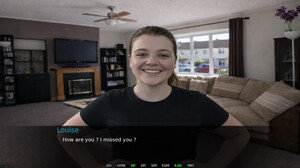
The presentation favors a moody, atmospheric aesthetic intended to support the story’s tone: muted palettes, thoughtful character portraits, and scene-focused backgrounds convey a lived-in hometown that has changed while you were away. Sound design leans on ambient music and situational cues to heighten tension and underscore quieter moments. The visuals and audio aim to create an immersive setting where subtle details reward exploration and repeated playthroughs.
Customization and Replay Value
While the core narrative remains the same, player choices personalize how the story unfolds. There are no equipment or ability trees; customization comes through decisions—how you spend your time, who you trust, and which compromises you accept. Because choices influence both immediate outcomes and long-term relationships, the game encourages multiple playthroughs to discover alternate routes, hidden scenes, and distinct endings. The Demo version 1.4 presents a substantial slice of content to explore these branching possibilities.
User Experience and Accessibility
Return to the Abbey provides an accessible reading and pacing experience: adjustable text size, clear dialogue history, and an autosave system let you play at your own pace. The interface keeps essential information—current objectives, relationship indicators, and resource status—available without interrupting storytelling. For players who prefer to focus on narrative, optional hints and scene recaps help keep track of interwoven storylines. The title is designed to be played offline once installed, so you can continue your progress without a constant network connection.
Development and Version Information
This release is presented as the studio’s debut title and is offered as a New Version 1.4 Demo, reflecting ongoing development and content polishing. The development team has prioritized storytelling, NPC interactions, and systems that reinforce long-term consequences rather than superficial rewards. Future updates are intended to expand scenarios, refine balance, and include more branching material while maintaining a responsible approach to mature subject matter.
Return to the Abbey is a measured, character-led experience aimed at adult players who want a thoughtful, choice-driven narrative. Family relationships and past connections are central to the drama, but they are explored through themes of responsibility and reconciliation rather than sensationalized material.
Show More