Train Station 2
Version:3.14.0
Published:2026-10-14
Introduction
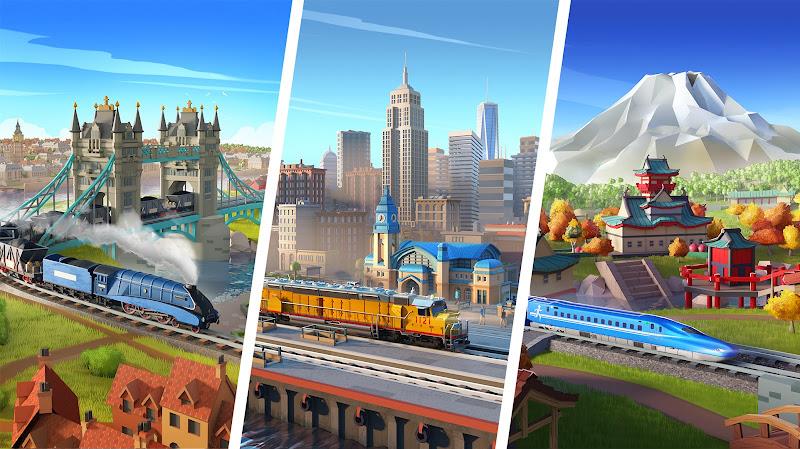
Train Station 2 puts you in charge of a global rail empire, combining collectible locomotives with logistics and station management to create a layered mobile simulation experience. In Train Station 2 you plan routes, upgrade rolling stock and negotiate freight contracts as you expand an international network of depots and lines; the app balances strategic decision-making with accessible touchscreen controls so both casual and dedicated players can enjoy long-term progression. The game emphasizes careful resource allocation and route timing, rewarding methodical planning and pan-regional coordination as you grow your freight business.
Gameplay and Mechanics
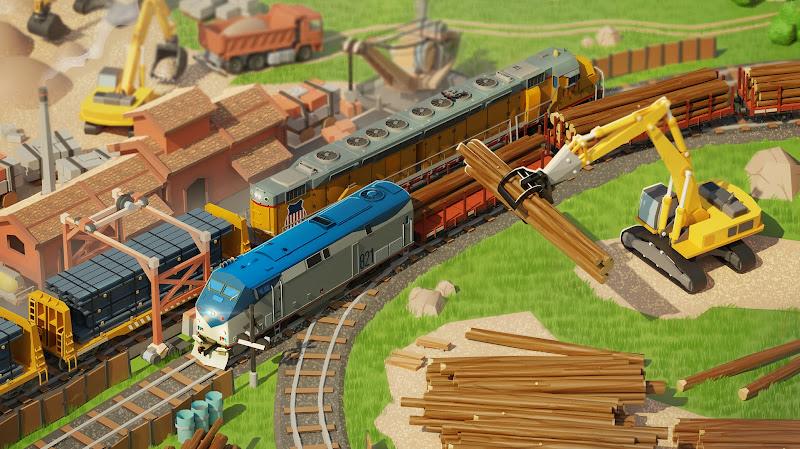
The core gameplay centers on managing stations, scheduling shipments and fulfilling a variety of freight contracts. Players assemble a roster of trains with different speed profiles, cargo capacities and fuel or maintenance requirements, then assign them to routes where timing, cargo type and distance affect revenue. Contracts introduce specific constraints — deadlines, fragile cargo or oversized loads — that require adapting your fleet or upgrading infrastructure. Resource management is central: balancing capital investment in locomotives and track improvements against short-term operational needs creates an evolving strategic puzzle.
Controls and Interface
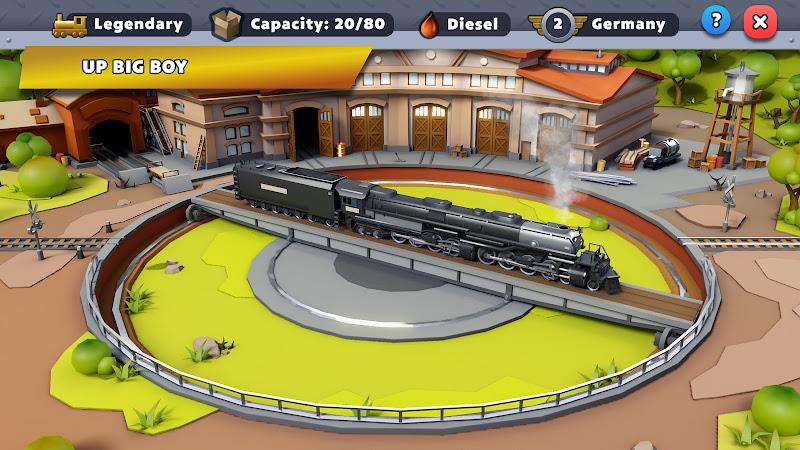
Train Station 2 offers a touchscreen-first interface designed for clarity on phones and tablets: tap to select trains and stations, drag to adjust routes and pinch to zoom the regional map. Menus group fleet stats, active contracts and station upgrades so decisions are made quickly without unnecessary scrolling. Contextual tooltips explain modifiers like cargo value and transit time, and visual indicators highlight bottlenecks and maintenance needs so players can prioritize interventions with minimal friction.
Progression, Contracts and Challenges
Progression is driven by completing increasingly demanding missions and accepting international contracts that scale in complexity. Early play focuses on building capital and simple local runs; as you advance, multi-leg shipments, cross-region deliveries and tight deadlines appear. The game uses a tiered mission structure where each level increases requirements such as distance, cargo size or delivery windows. Challenge systems include limited resources, weather or route restrictions that push players toward investment in faster or higher-capacity units and smarter scheduling to remain profitable.
Customization and Fleet Development
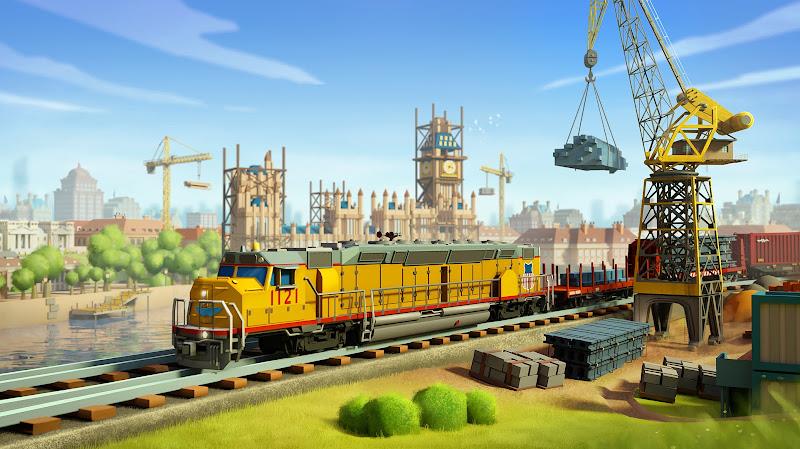
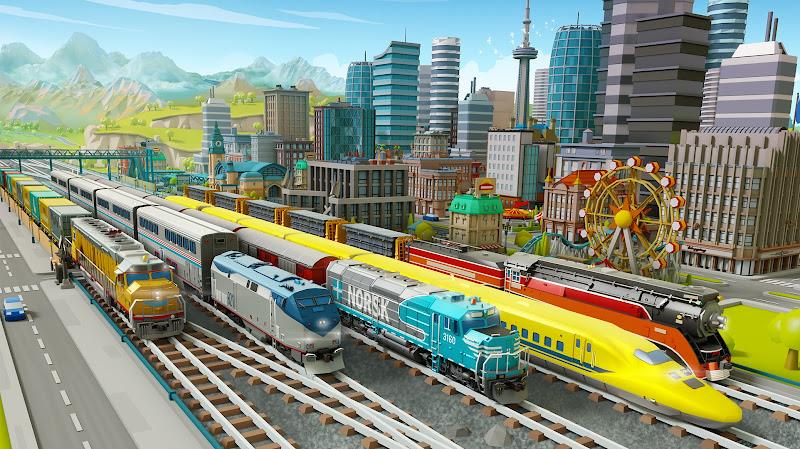
Collecting and upgrading authentic-looking train units is a core motivator: acquire models inspired by systems around the world and customize liveries, performance upgrades and cargo modules to suit specific contract needs. A straightforward upgrade path lets you improve speed, fuel efficiency and load capacity while station improvements expand throughput and reduce delays. Customization is meaningful because choices directly influence which contracts are viable and how efficiently you can chain deliveries across regions.
Visual Style and Level Structure
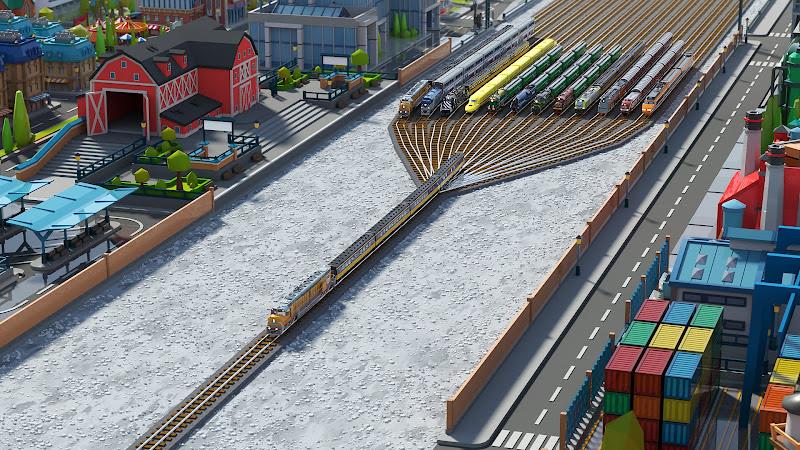
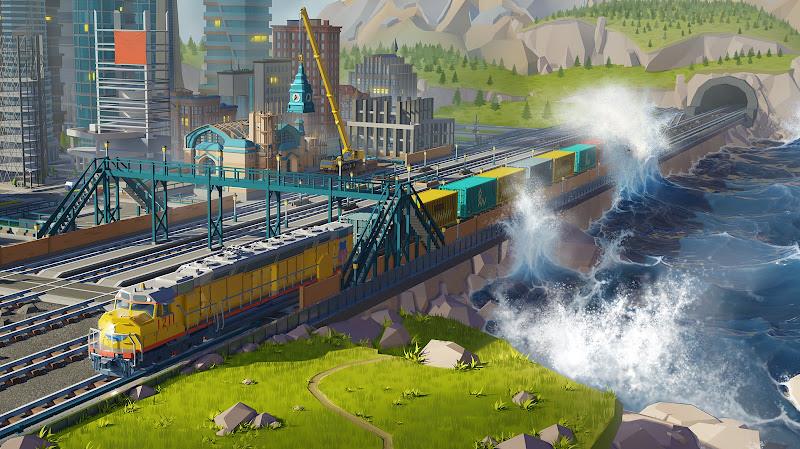
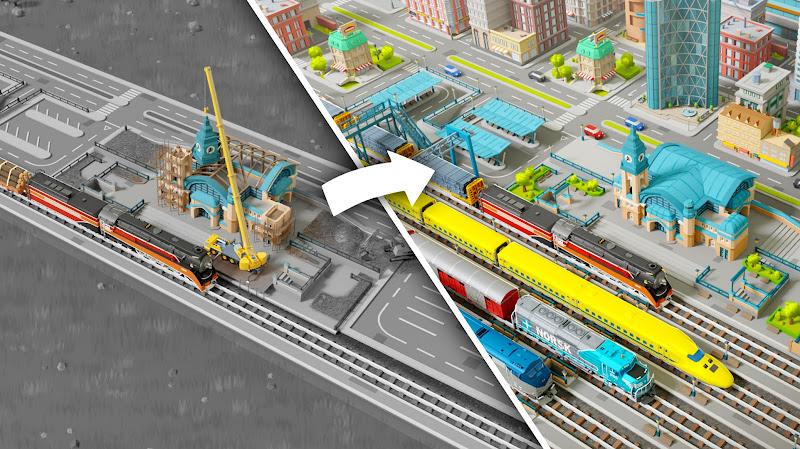
The presentation blends detailed rolling stock models with readable, player-friendly UI elements on regional maps. Stations and tracks show incremental visual upgrades as you invest, making progress immediately visible. Levels are organized into regions and sectors that unlock as you meet objectives; each region introduces new cargo types and delivery challenges that encourage adapting both fleet composition and logistical approach rather than repeating the same routine.
Replay Value and Community Features
Replay value comes from optimizing routes, collecting rare train models and tackling higher-tier contract sets. Community features enable trading and cooperative interactions such as exchanging items and inviting friends, which add a social layer to long-term play without forcing competitive mechanics. Seasonal events and rotating contract pools keep objectives fresh, encouraging players to revisit regions with new constraints and rewards.
Accessibility, Offline Play and User Experience
Menus, clear icons and progressive tutorials ease new players into management concepts while optional tooltips support deeper strategy for advanced users. Basic station management and planning can be done offline, allowing you to organize your fleet and review contracts without a connection; community interactions and trading require online access. The game balances short play sessions with deeper planning windows, making it suitable for quick runs or extended strategy sessions depending on player preference.
Version and Updates
Train Station 2 references version 3.14.0 for community and trading features, where players can interact, trade and invite friends to collaborate on shipments and events. The developer regularly updates the game with balance patches, new train models and regional content, and players can expect iterative improvements to contracts, UI clarity and progression pacing over time.
Show More