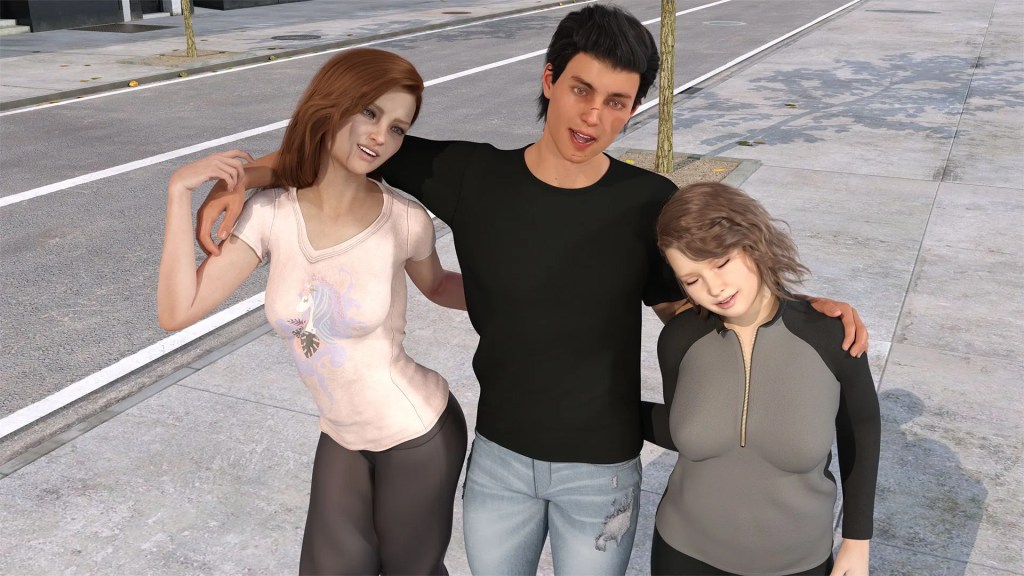
Young Again
Version:2.5
Published:2026-10-14
Introduction
Young Again invites players to step into the shoes of Paul, an elderly man who mysteriously wakes up in a 19-year-old body and is given a rare second chance at life; Young Again balances narrative role-playing with objective-driven progression and choice-based interactions to deliver an episodic story that unfolds across seasonal chapters. This editor summary highlights what to expect from the game: a strong emphasis on character development, branching conversations with NPCs, mission mechanics assigned by a goddess figure, and a chapter structure that segments the plot into manageable, content-rich episodes. If you prefer story-forward RPGs where decisions have tangible consequences, Young Again offers a paced, reflective experience built around relationships, mission tracking, and evolving scenes that change based on your choices.
Key Features
The game centers on narrative exploration and structured objectives rather than combat-heavy action. Players receive clear tasks from an in-world goddess that both guide the plot and unlock new dialogue options, locations, and scenes. Branching responses from supporting characters create multiple narrative paths, so conversations and outcomes vary depending on the choices you make and your progression through chapters. The seasonal chapter system breaks the story into episodes, simplifying short-term goals while allowing the overall arc to develop across periodic updates. Character interactions are nuanced, with NPCs reacting differently as relationships evolve and as the player's reputation or decisions change.
Gameplay Mechanics and Controls
Gameplay in Young Again combines dialogue-driven role-playing with objective management. Controls are designed for touchscreen play: menu-driven conversation choices, tap-to-move exploration in key locations, and simple interface gestures for accessing mission logs, character profiles, and inventory-like relationship trackers. There is no complex combat system; instead, the challenge arises from selecting responses that steer character development, complete goddess-assigned objectives, and unlock new story branches. The mission structure keeps progression focused—each task contributes to the chapter’s goals and often opens new interaction opportunities rather than relying on repetitive grinding.
Progression, Chapters and Replayability
Progression is episodic: each chapter presents a sequence of missions, character beats, and choice points that contribute to Paul’s second-chance arc. Seasons and chapters act as both narrative milestones and content releases, enabling the developer to add new scenes and relationships over time. Replay value comes from branching choices and varied NPC reactions—different decisions reveal alternate character arcs, unlock hidden scenes, or change the tone and outcome of later chapters. Save-and-return flexibility supports experimenting with different paths, encouraging players to replay specific chapters to explore alternate endings and relationship possibilities.
Visual Style and Presentation
Young Again favors a character-focused visual approach, with scenes designed to highlight emotional beats and interpersonal dynamics. The art and UI prioritize readability and mood, using portrait-driven conversations, expressive character sprites, and carefully framed backgrounds to support storytelling rather than fast action. Transitions between scenes are paced to emphasize narrative beats, and the seasonal chapter layout helps organize content so players can follow both immediate missions and longer-term story threads without overwhelming the interface.
Customization, Accessibility and User Experience
While the game does not center on deep mechanical customization like skill trees or combat loadouts, it offers meaningful personalization through relationship choices and the ways you shape Paul’s interactions. Accessibility considerations include clear text sizing, straightforward tap controls, and a mission log that helps players track objectives and character relationships. The game experience supports casual play sessions by design: chapters are broken into focused scenes so players can progress in short intervals. Offline play is supported for core story content that has already been downloaded; episodic updates and new chapters require an online connection to retrieve additional assets when available.
Challenge and Content Notes
Challenges in Young Again stem from moral and narrative decisions rather than reflex-based tests. Players should expect mature themes and situations that require thoughtful choices; the game is geared toward an adult audience comfortable with relationship-driven storytelling. Because the emphasis is on plot and character, those seeking intensive action or combat will find the pace more contemplative. Regular chapter releases and content patches refine scenes and may add optional challenges or new branching opportunities over time.
Additional Information
This release corresponds to Season 2 chapter updates and includes references to recent public builds and patch notes; players are advised to check the in-game changelog for precise details about applied content patches. The editor recommends Young Again for players who enjoy episodic narratives, robust choice systems, and a measured pacing that foregrounds character growth and consequence-driven gameplay.
Show More