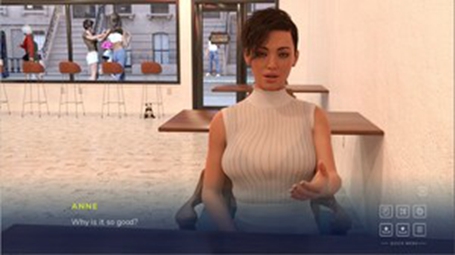
Mirror World
Version:0.01.3
Published:2026-10-14
Introduction
Mirror World reimagines action-adventure gameplay with mirrored realities that players switch between to solve puzzles and combat foes. Combining exploration, strategic switching, and level-based progression, Mirror World challenges you to think across two overlapping maps while upgrading characters and discovering hidden paths in a richly styled fantasy setting.
Overview of the experience
At its core, this game blends platforming, light RPG progression, and environmental puzzles. Each level presents two parallel versions of the same area — one familiar and one inverted — and moving between them changes terrain, enemy placement, and available routes. Progression hinges on mastering both perspectives rather than relying on raw reflexes alone.
How gameplay works
Gameplay emphasizes situational awareness. Players control a party leader who can swap between forms or call allies with distinct abilities. Switching toggles the active reality and often opens new paths or disables traps. Combat pits you against mirrored variants of enemies, requiring different tactics depending on which reality is active.
Core mechanics
- Dual-reality navigation — traverse two versions of a map to reach objectives.
- Character swapping — switch among specialists with unique skills for exploration and combat.
- Environmental interaction — manipulate levers, light sources, and portals that behave differently in each reality.
- Progression — level up characters and unlock passive bonuses tied to reality mastery.
Characters and world design
The roster mixes archetypal classes and inventive hybrids. Each companion brings a toolkit useful for both puzzle solving and fights: a scout that marks mirrored switches, a tank that anchors unstable platforms, and a mage that alters time-locked elements. Enemy design mirrors those roles, often with reversed abilities that subvert player expectations.
Maps and level structure
Levels are compact but dense. Designers favor verticality and layered secrets, encouraging repeated exploration once new abilities become available. Short hubs connect themed stages where a single environmental twist defines the challenge, such as gravity inversion, color-coded doors, or time-synchronized platforms.
Systems players should know
Resource management in Mirror World is subtle: focus on ability cooldowns and a shared stamina pool rather than inventory micromanagement. Crafting appears as a light upgrade system that enhances skills or unlocks passive buffs tied to switching frequency and puzzle completion rates.
Controls and interface
Controls prioritize quick switching and clear feedback. The HUD marks which reality is active and highlights interactable objects differently in each mode. On-screen prompts and tactile button mapping make the transition seamless, whether you play on touch devices or a controller.
Visuals and audio
The presentation balances stylized art with legibility. Colors contrast between realities to help players instantly recognize which version of the world they occupy. Sound design reinforces the mechanic: subtle audio cues indicate nearby portals or hazards, and a shifting soundtrack adapts as you flip between panes of reality.
Tips for new players
- Prioritize reconnaissance before engaging: scouting often reveals mirrored switches that remove hazards.
- Rotate through your roster to familiarize yourself with each character’s interaction set.
- Use checkpoints strategically — some puzzles require trial and error across both realities.
- Focus upgrades on abilities that reduce cooldowns for faster reality-switching during intense encounters.
Getting started
Begin with early stages to learn the rhythm of switching; the game eases you into complexity with guided puzzles and forgiving combat. Expect a gradual difficulty curve where later levels ask you to combine platforming precision with multi-layered puzzle logic.
Why it stands out
Mirror World distinguishes itself by making a single central mechanic meaningful across exploration, combat, and progression. The mirrored reality concept keeps level design fresh and rewards players who plan ahead instead of reacting impulsively. If you enjoy puzzle-driven action with light RPG elements, the game offers a steady stream of creative encounters and layered secrets to uncover.
Show More